How do G98 regulations impact the costs associated with solar energy systems?
G98 regulations significantly shape the financial landscape of installing solar energy systems, particularly for small-scale installations up to 16A per phase. These regulations, established by the Energy Networks Association, ensure that the connection of solar systems to the grid is both safe and efficient. While this standardisation may initially seem daunting, it ultimately streamlines the process, making it more predictable and potentially less costly for homeowners and small businesses.
By adhering to G98 regulations, system installers can avoid unnecessary delays and unexpected expenses associated with non-compliance. This regulatory framework provides a clear pathway for grid connection, reducing the risk of costly retrofits or modifications after installation. Consequently, understanding these regulations can help you make informed decisions, resulting in more effective cost management for your solar energy project.
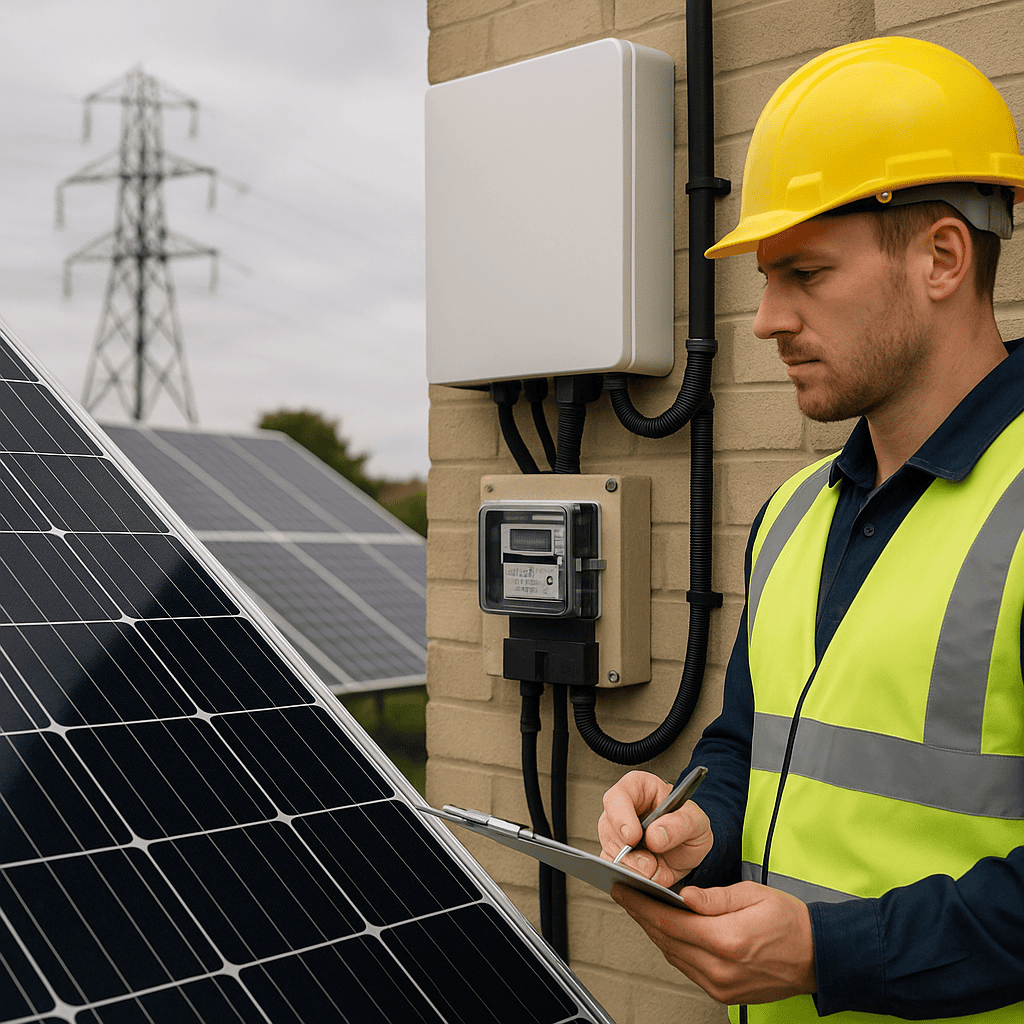
The G98 regulations are specifically designed to facilitate the connection of small-scale solar energy systems to the national grid without the need for prior approval from the distribution network operator (DNO). This simplifies the process, reducing administrative burdens and associated costs. By following G98 guidelines, installers can expedite the connection process, avoiding potential delays that could arise from more complex approval procedures.
Furthermore, compliance with G98 standards ensures that the equipment and installation meet safety and performance criteria, which can prevent future issues that might lead to additional expenses. By ensuring that your solar energy system is compliant from the outset, you can avoid potential fines or the need for costly corrective measures, ultimately impacting the overall cost-effectiveness of your solar investment.
In conclusion, while the initial understanding of G98 regulations may require some effort, the long-term benefits in terms of cost savings and operational efficiency are significant. By ensuring compliance, you not only facilitate a smoother connection process but also safeguard your investment against unforeseen expenses, thereby enhancing the overall financial viability of your solar energy system.