How Solar Panels Reduce Energy Costs
Solar panels offer a sustainable solution for businesses looking to lower their energy expenses. By harnessing renewable energy, companies can significantly reduce their reliance on traditional energy sources and enhance their financial performance.
Direct Savings on Energy Bills
Solar panels generate electricity from sunlight, allowing businesses to utilise free energy and decrease their monthly energy bills effectively.
Exporting Excess Energy
Businesses can benefit financially by exporting surplus energy back to the grid, capitalising on export tariffs and further enhancing their return on investment.
Long-term Financial Benefits
Investing in solar panels not only reduces immediate energy costs but also provides long-term savings, protecting businesses from rising energy prices and enhancing budget predictability.
Navigating the DNO Process
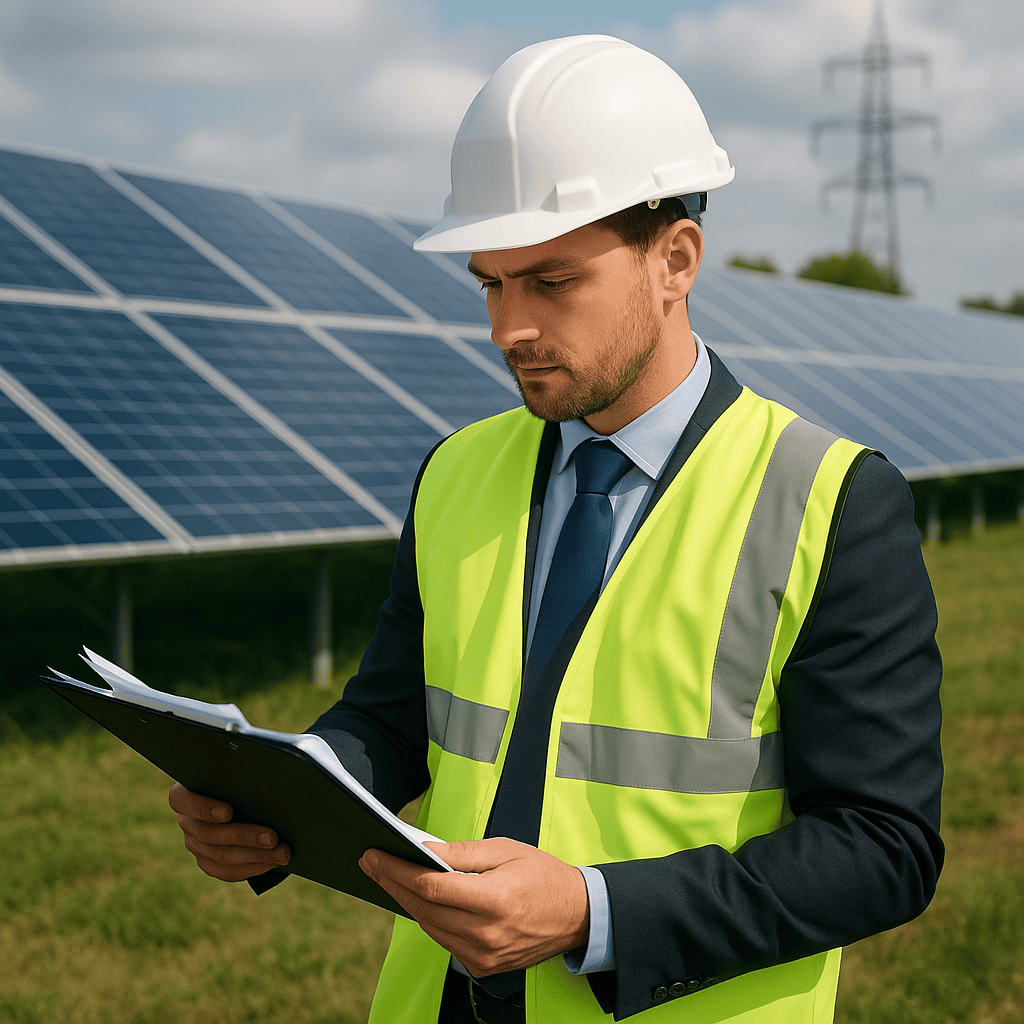
The Distribution Network Operator (DNO) process is a crucial step in connecting your solar PV and battery storage system to the national grid. As a leading UK renewable energy company, we manage this process meticulously to ensure compliance and safety. Our team conducts a thorough site assessment to determine the grid capacity and potential impact of your installation, preparing all necessary documentation for DNO approval.
Once the initial assessment is complete, we submit the application to the DNO on your behalf. This includes detailed technical specifications of your system, ensuring that it meets all regulatory requirements. Our expertise in handling these submissions helps streamline the process, reducing the waiting time for approvals, which can typically take several weeks.
After receiving approval, our certified installers proceed with the installation, ensuring that everything is grid-compliant. We offer ongoing maintenance and support to ensure your system operates efficiently, maximizing energy savings and reducing your carbon footprint. With potential savings of £800–£1,200 annually, the DNO process is a vital component of your transition to renewable energy.
DNO Trivia
The DNO process ensures solar energy systems safely integrate with the grid, supporting the UK’s renewable energy goals.
Practical Steps to Understand the DNO Process
To get started with the Distribution Network Operator (DNO) process, it’s essential to familiarize yourself with the key requirements and regulations governing the connection of renewable energy systems like solar PV and battery storage. Begin by reviewing your local DNO’s guidelines, as each region may have different protocols for applications and installations. This research will help you understand the technical specifications and any necessary documentation you’ll need to prepare.
Once you’ve gathered this information, consider contacting your DNO directly to ask any specific questions or clarify any uncertainties. They can provide valuable insights into the process, including timelines and connection fees. Additionally, collaborating with a certified installer, like those listed with the Renewable Energy Consumer Code, can streamline your project by ensuring compliance with all necessary standards and regulations. By taking these initial steps, you will be well-equipped to navigate the DNO process effectively.
Top 3 things about DNO Process
Understanding the DNO process is essential for connecting renewable energy systems to the grid. Here are three key aspects to consider.
Role of Distribution Network Operators
Distribution Network Operators (DNOs) manage the electricity distribution network, ensuring safe and reliable power supply to homes and businesses across the UK.
Connection Application Process
To connect a renewable energy system, you must submit a connection application to the DNO, detailing your system's specifications and expected generation capacity.
Grid Capacity and Constraints
DNOs assess grid capacity to determine if your system can be connected. Local constraints may affect the feasibility of your connection request.
Top 5 Questions About Grid Connection and Export
What is the DNO process for connecting solar technology to the grid?
The DNO process involves submitting an application to your Distribution Network Operator, who will assess your solar installation's impact on the grid. They will then provide connection terms, ensuring compliance with safety and technical standards before granting approval.
How do solar technology costs impact the DNO connection process?
The costs associated with solar technology can affect the DNO connection process by influencing the overall project budget and potential upgrades needed for the grid. Higher installation costs may lead to more complex assessments and longer connection timelines.
What are the steps involved in the DNO process for solar export?
The DNO process for solar export involves submitting an application for connection, receiving a technical assessment, obtaining approval, and then installing the necessary equipment. Finally, the system is commissioned, allowing for the export of surplus energy to the grid.
How does the DNO process affect solar energy projects and their costs?
The DNO process is crucial for solar energy projects as it determines grid connection feasibility and costs. Delays or additional requirements from the DNO can increase overall project expenses and timelines, impacting the financial viability of solar installations.
What documentation is required for the DNO process in solar energy installations?
The documentation required for the DNO process typically includes a completed application form, site plans, technical specifications of the solar installation, and proof of ownership or lease of the installation site. Additional documentation may be requested based on specific project details.