
Top 3 things about Grid and Export
Understanding grid and export systems is essential for optimising solar energy use and maximising financial benefits.
Grid Connection Requirements
To export solar energy, homeowners must ensure their system complies with local grid connection standards and regulations set by the distribution network operator.
Export Tariff Schemes
Export tariffs provide financial compensation for surplus solar energy fed back into the grid, with rates varying based on government policies and market conditions.
Impact on Energy Bills
Exporting excess energy can significantly reduce electricity bills, as homeowners benefit from both savings and potential income from energy exports.
Getting Started with Grid and Export for Solar Energy
To begin understanding grid and export options for your solar energy system, start by assessing your current energy usage. Review your electricity bills to identify patterns in consumption and peak usage times. This information will help you determine the right size for your solar PV system and how much energy you can potentially export to the grid.
Next, familiarize yourself with the Feed-in Tariff (FiT) and Smart Export Guarantee (SEG) schemes available in the UK. These programs allow you to receive compensation for the excess energy your solar system generates and exports back to the grid. By understanding these frameworks, you can gauge how much financial benefit you may gain from your solar investment. Continue exploring the various configurations and technologies available to maximize your energy efficiency, and consider consulting with a renewable energy specialist for tailored advice.
Navigating the Solar Grid Export Process
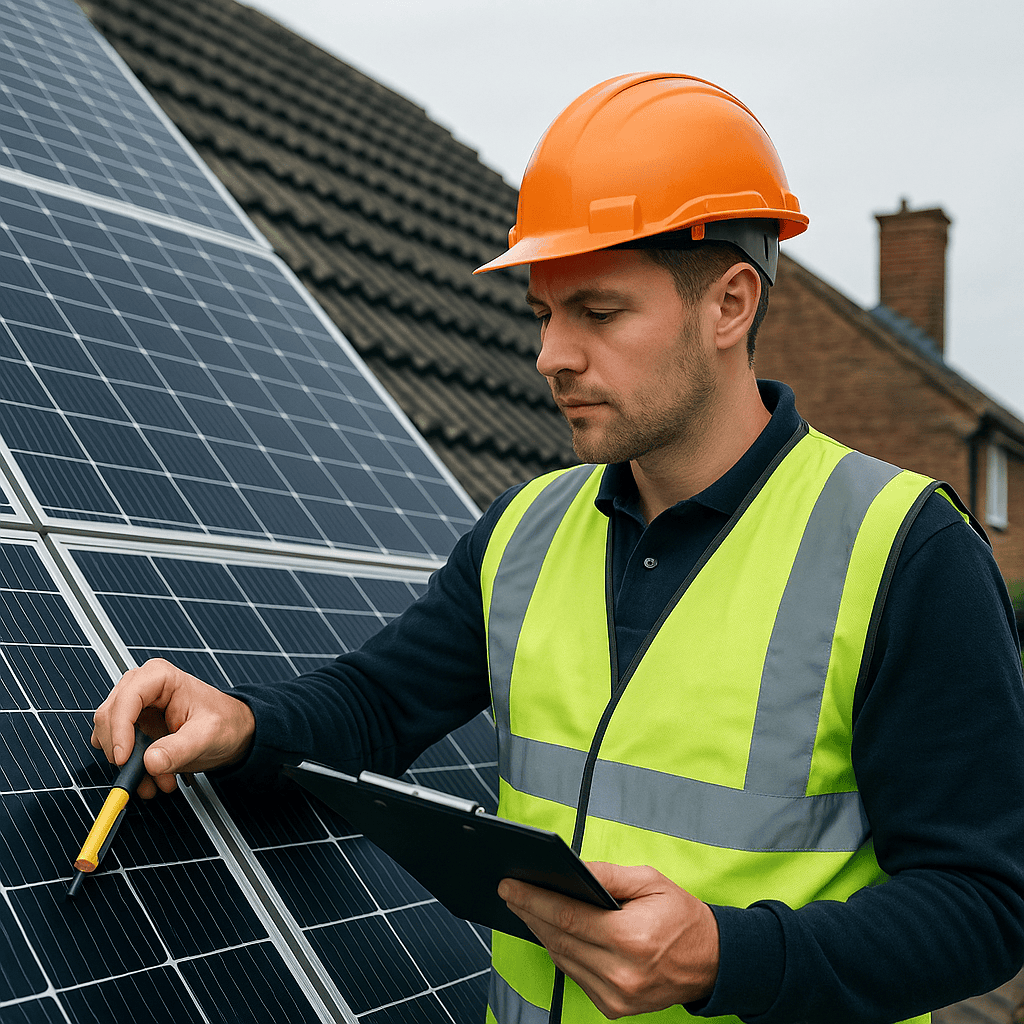
The journey to integrating solar PV and battery storage systems begins with a comprehensive site assessment conducted by our expert team. This initial step is crucial as it allows us to evaluate your property’s potential for solar energy capture and storage. Our professionals will assess factors such as roof orientation, shading, and available space to design a bespoke solution that maximizes efficiency and cost savings.
Once the assessment is complete, our certified specialists will develop a tailored installation plan. This plan focuses on safety and high-quality workmanship, ensuring that your system is installed according to the highest industry standards. We manage every aspect of the installation process, from procuring the necessary materials to coordinating the installation schedule, all while maintaining clear communication with you throughout the project.
Post-installation, our commitment to you continues with ongoing maintenance and support. We provide monitoring services to ensure your system operates at peak performance and address any issues that may arise promptly. By leveraging our expertise and dedication to customer satisfaction, we aim to help you achieve significant energy savings, with typical homeowners seeing reductions of £800-£1,200 in annual energy costs.
How Solar Panels Reduce Energy Costs
Solar panels offer a sustainable solution for businesses looking to minimise energy costs while maximising efficiency. By harnessing solar energy, companies can significantly lower their electricity bills and enhance their bottom line.
Lowering Energy Bills
With solar panels, businesses can generate their own electricity, leading to substantial savings on energy expenses over time.
Exporting Excess Energy
Any surplus energy produced can be exported back to the grid, providing an additional revenue stream and further reducing overall energy costs.
Long-Term Financial Benefits
Investing in solar technology not only cuts immediate costs but also offers long-term financial advantages through energy independence and lower operational expenses.
Solar Export Gains
Homes with solar panels can sell excess energy back to the grid, reducing their electricity bills.