
Understanding Planning Permission for Solar Technology
Explore the essential guidelines and regulations surrounding planning permission for solar installations. Our comprehensive insights will help you navigate the complexities of solar policy and ensure your project complies with all necessary requirements.
How Solar Panels Reduce Energy Costs
Solar panels offer a strategic advantage for businesses looking to minimise energy expenses. By harnessing renewable energy, companies can significantly lower their utility bills while benefiting from government incentives.
Lower Energy Bills
Solar panels generate electricity from sunlight, allowing businesses to reduce reliance on grid power and lower their monthly energy costs.
Long-Term Savings
Investing in solar technology can lead to substantial savings over time, as the cost of solar energy remains stable compared to fluctuating energy prices.
Incentives and Grants
Various grants and policies support the installation of solar panels, further enhancing the financial benefits and encouraging businesses to adopt sustainable energy solutions.
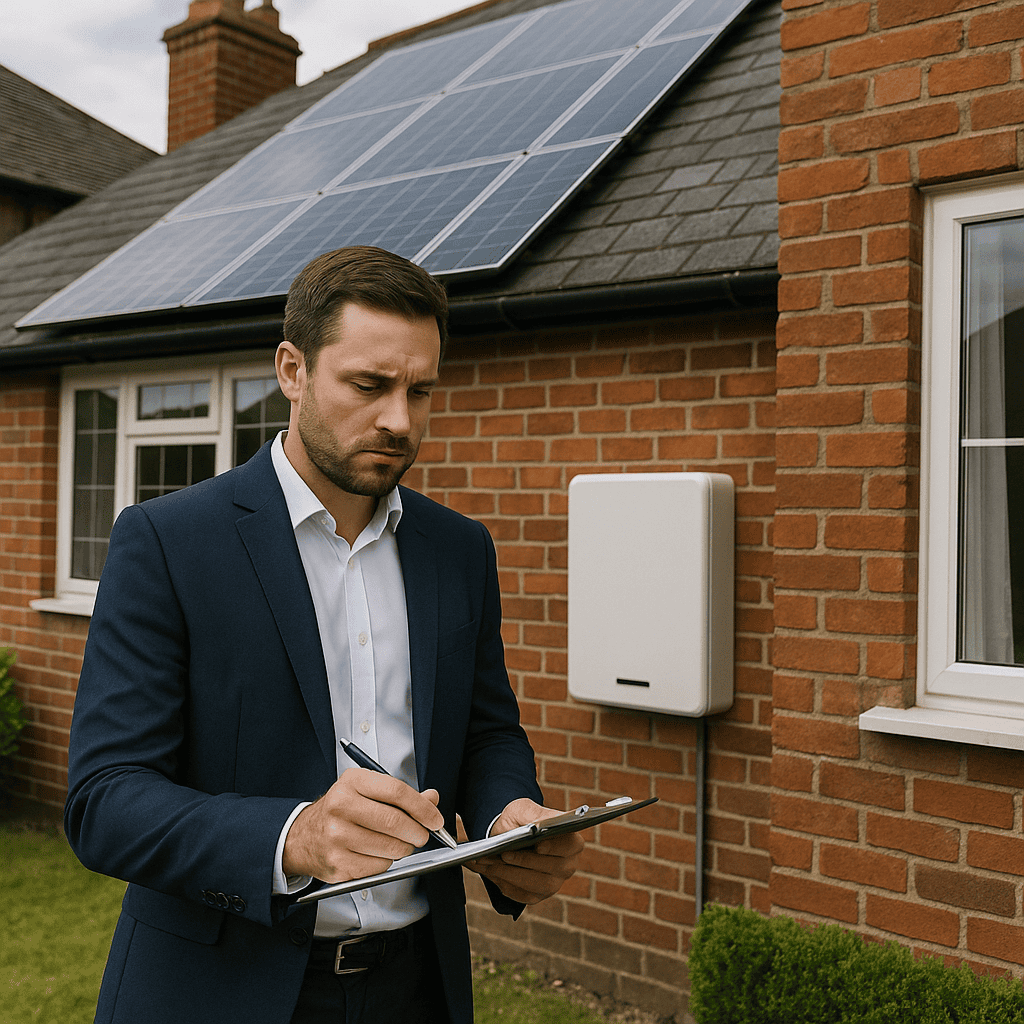
Navigating the Planning Permission Process
Embarking on a solar PV and battery storage project with our company involves a streamlined process designed to ensure compliance with planning permission rules and maximize efficiency. Initially, we conduct a thorough, free site assessment to evaluate your property’s suitability for solar installations. This assessment includes analyzing the structural capacity of your roof and potential shading issues, ensuring that your investment will yield optimal results.
Following the assessment, our expert team crafts a bespoke solar solution tailored to your specific needs and energy goals. We handle all the necessary paperwork, including planning permission applications if required, to ensure a smooth transition through the regulatory landscape. Our commitment to quality and safety, backed by our Renewable Energy Consumer Code listing, guarantees peace of mind throughout the project.
Once all permissions are secured, our certified installers proceed with the high-quality installation of your solar system. We emphasize ongoing maintenance to ensure your system operates at peak efficiency, contributing to substantial savings on your energy bills—typically between £800 and £1,200 annually. Trust our end-to-end service to guide you through the complexities of solar planning and installation with ease.
Solar Planning
In the UK, most residential solar panels don’t need planning permission, thanks to ‘permitted development’ rights.
Essential Steps for Understanding Grants and Solar Policy
To begin navigating the world of solar policy and available grants, it’s crucial to familiarize yourself with the local planning permission rules that govern solar panel installations in your area. Start by visiting your local council’s website, where you can find specific guidelines and any restrictions related to solar energy projects. Understanding these regulations will help ensure your installation is compliant and can proceed without unnecessary delays.
Next, explore the various grants and financial incentives available for solar PV and battery storage systems. Resources such as the government’s Energy Saving Trust and local renewable energy organizations can provide up-to-date information on funding opportunities and eligibility criteria. By gathering this knowledge, you will be better equipped to make informed decisions regarding your solar energy options, ultimately leading to a more sustainable and cost-effective energy solution for your home or business.
Top 3 things about Planning Permission Rules
Understanding planning permission is essential for solar energy projects in the UK. Here are three key points to consider.
Permitted Development Rights
Many solar installations may fall under permitted development rights, allowing them to be installed without full planning permission, subject to certain conditions.
Local Authority Regulations
Local councils may have specific regulations that affect solar panel installations, including aesthetic considerations and restrictions based on conservation areas.
Application Process Duration
The planning application process can take several weeks to months, depending on the complexity of the project and local council procedures.
Top 5 Questions About Solar Policy Planning Rules
What are the planning permission rules for installing solar technology in residential areas?
In residential areas, planning permission for solar technology is generally not required for roof-mounted systems, provided they meet specific criteria. However, ground-mounted installations may need approval, especially if they exceed certain size limits or impact the visual amenity.
How do local regulations impact the costs of solar technology installations?
Local regulations can affect installation costs by imposing specific requirements, such as planning permissions and compliance with building codes. These factors may necessitate additional assessments or modifications, ultimately influencing the overall expense of solar technology installations.
What grants are available for solar technology projects that require planning permission?
Various grants are available for solar technology projects requiring planning permission, including the Renewable Heat Incentive (RHI) and the Feed-in Tariff (FiT). Additionally, local councils may offer specific funding options to support renewable energy initiatives.
What documentation is needed to apply for planning permission for solar energy systems?
To apply for planning permission for solar energy systems, you typically need site plans, design and access statements, environmental impact assessments, and technical specifications of the proposed system. Additional documentation may be required based on local council regulations.
How can understanding planning permission rules help reduce the overall costs of solar projects?
Understanding planning permission rules can help identify potential obstacles early, streamline the approval process, and ensure compliance, ultimately minimising delays and unexpected costs in solar projects. This proactive approach can lead to more efficient budgeting and resource allocation.