
How can understanding energy price caps help optimize the use of solar technology?
Understanding energy price caps is essential for optimising the use of solar technology. Price caps are regulatory measures that limit the maximum price energy providers can charge, which can influence the adoption and economic viability of solar solutions. By comprehending how these caps work, individuals and businesses can make informed decisions about investing in solar technology, ensuring they maximise cost savings and environmental benefits.
Energy price caps can impact the affordability of electricity and the incentives for switching to solar energy. When price caps are in place, they can stabilise energy costs, making it easier to predict potential savings from solar investments. This understanding is crucial for leveraging available grants and policies that promote solar technology, ultimately leading to more sustainable energy consumption.
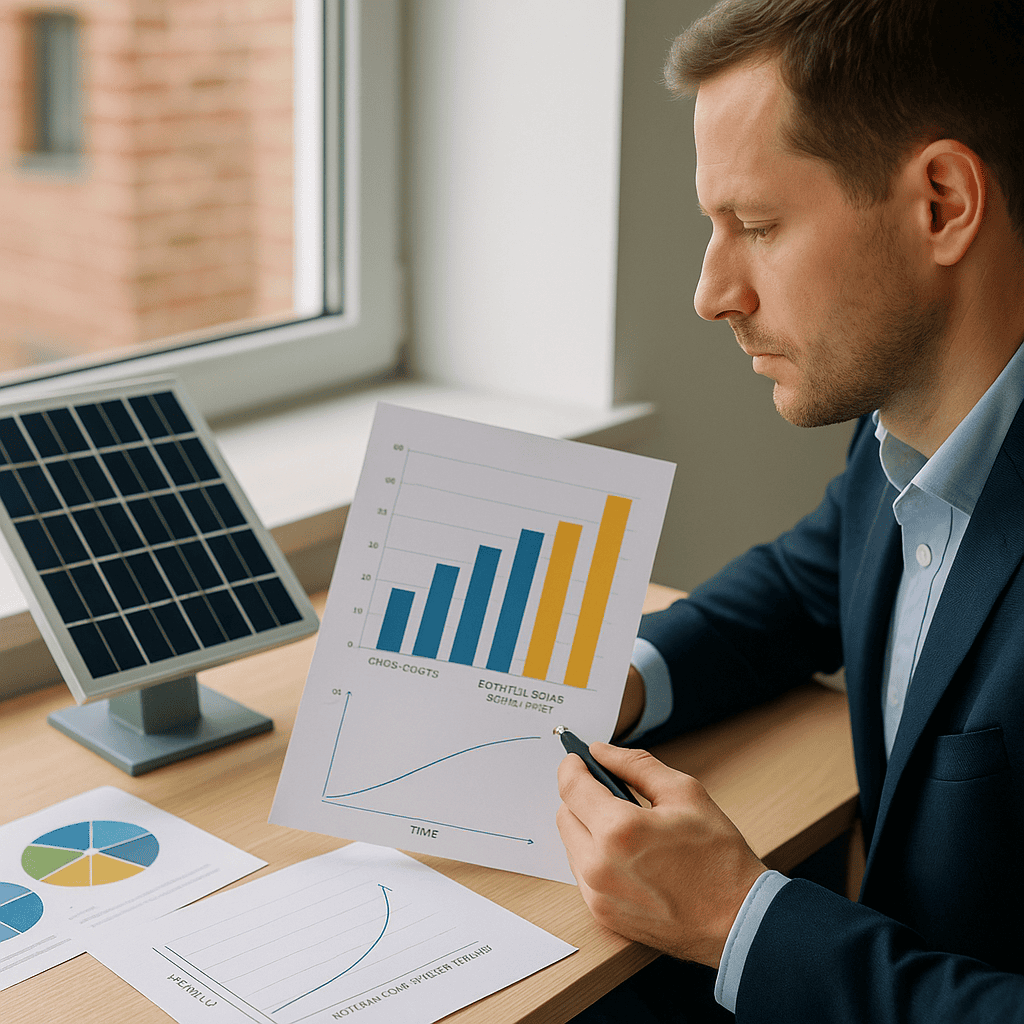
The implementation of energy price caps can directly influence the economic feasibility of solar technology. By capping electricity prices, governments can create a stable market environment, which allows consumers to better evaluate the cost-effectiveness of solar installations. A clear knowledge of these price limits enables potential solar users to calculate the return on investment more accurately, encouraging a shift towards renewable energy sources.
Furthermore, energy price caps can affect government policies and incentives related to solar technology. When policymakers set these caps, they may also introduce grants or subsidies to promote renewable energy adoption. Understanding the interplay between price caps and these financial aids is crucial for maximising the benefits of solar technology. This knowledge helps individuals and businesses navigate the complexities of energy markets and make informed decisions.
Lastly, comprehending energy price caps aids in strategic planning for solar technology use. By recognising how these caps influence electricity prices, consumers can optimise their energy consumption patterns. This involves not only investing in solar panels but also integrating energy storage solutions and efficient appliances. In doing so, they can enhance their energy independence, reduce reliance on grid electricity, and contribute to a more sustainable future.