
How Solar Panels Reduce Energy Costs
Solar panels offer businesses a sustainable solution to manage energy expenses effectively. By harnessing renewable energy, they contribute to long-term savings and align with energy price cap policies. Understanding these benefits is crucial for informed decision-making.
Lowering Energy Bills
Solar panels generate electricity from sunlight, significantly reducing reliance on grid energy and lowering overall energy bills for businesses. This can lead to substantial savings over time.
Incentives and Grants
Various government grants and incentives support the installation of solar technology, further decreasing upfront costs and enhancing the financial viability of solar investments for businesses.
Long-Term Financial Benefits
By investing in solar energy, businesses can protect themselves from rising energy prices while enjoying stable energy costs, contributing to improved financial forecasting and budgeting.
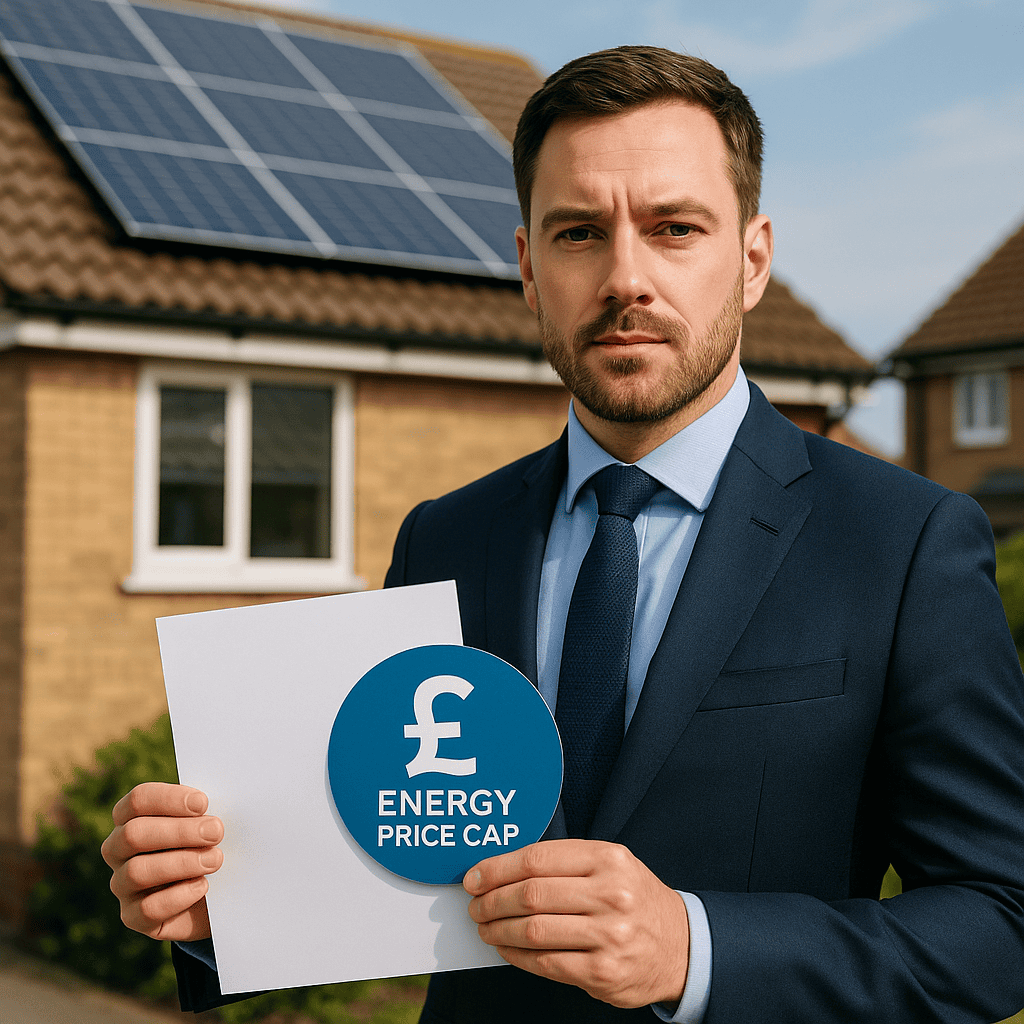
Navigating the Energy Price Cap Process
The energy price cap is a crucial mechanism designed to protect consumers from exorbitant energy costs. It sets a maximum price that energy suppliers can charge for their standard variable tariffs, ensuring that prices remain fair and reflective of underlying costs. For homeowners and businesses considering renewable energy options, understanding this cap is vital for making informed decisions about energy consumption and potential savings.
At our UK renewable energy company, we provide comprehensive services that align with the energy price cap regulations. From the initial free site assessment to the bespoke design and certified installation of solar PV and battery storage systems, our process ensures compliance and maximizes your savings. By investing in renewable energy, typical homeowners can save between £800–£1,200 annually, significantly offsetting any energy price cap limitations.
Our commitment to high-quality and safe work is backed by our listing with the Renewable Energy Consumer Code. This certification is a testament to our dedication to transparency and quality, offering peace of mind to our customers. By staying informed about energy policies like the price cap, and investing in renewable solutions, you can take control of your energy future while contributing to a more sustainable environment.
Energy Insight
The UK energy price cap helps protect consumers, promoting affordable energy as renewables continue to rise.
Understanding the Energy Price Cap
The Energy Price Cap is a crucial mechanism designed to protect consumers from excessive energy costs. To get started in understanding its implications, familiarize yourself with the current cap rates and how they are determined. The cap is reviewed regularly, reflecting changes in wholesale energy prices and market conditions, so keeping abreast of these updates can help you make informed decisions about your energy usage.
Additionally, consider how renewable energy solutions, such as solar PV and battery storage, can enhance your energy independence. By investing in these technologies, you can potentially reduce your exposure to fluctuating energy prices and benefit from long-term savings on your energy bills. Explore local resources and reputable providers that can guide you through the process of integrating renewable energy into your home or business, ensuring a sustainable and cost-effective energy future.
Top 3 things about Energy Price Cap
The Energy Price Cap is a regulatory measure designed to protect consumers from excessive energy costs. Understanding its implications is crucial for informed decision-making.
What is the Energy Price Cap?
The Energy Price Cap sets a maximum price that energy suppliers can charge for standard variable tariffs, ensuring fair pricing for consumers in the UK.
Who does it apply to?
The cap primarily affects households on standard variable tariffs, including those who have not switched to fixed-rate energy deals or other providers.
How often is it reviewed?
The Energy Price Cap is reviewed every six months by Ofgem, allowing adjustments based on wholesale energy prices and market conditions.
Top 5 Questions About The Energy Price Cap
What are the current solar technology costs impacting energy price caps?
Current solar technology costs have decreased significantly, making solar energy more accessible and affordable. This reduction contributes to lower energy prices, influencing the energy price cap by promoting renewable energy adoption and reducing reliance on fossil fuels.
How do government grants influence solar technology adoption in relation to energy price caps?
Government grants can significantly enhance the adoption of solar technology by offsetting installation costs, making it more accessible. This support is particularly crucial during periods of energy price caps, as it encourages households and businesses to invest in renewable energy solutions.
What policies are in place to support solar technology amidst fluctuating energy price caps?
The UK government supports solar technology through various policies, including Feed-in Tariffs and the Smart Export Guarantee, which incentivise renewable energy generation. Additionally, grants and funding initiatives are available to promote solar installations, helping to mitigate the impact of energy price fluctuations.
How can understanding energy price caps help optimize the use of solar technology?
Understanding energy price caps allows businesses to assess potential savings from solar technology, enabling them to make informed decisions about investment and usage. This insight can enhance financial planning and maximise the benefits of renewable energy solutions.
What role do grants play in reducing costs for solar technology under current energy price cap regulations?
Grants can significantly reduce the upfront costs of solar technology, making it more accessible for consumers. Under current energy price cap regulations, these financial incentives help offset installation expenses, promoting renewable energy adoption and contributing to overall energy savings.
