
How Solar Panels Reduce Energy Costs
Solar panels offer businesses a sustainable way to lower energy costs while contributing to environmental goals. Understanding the financial benefits of solar energy is essential for making informed decisions about building regulations and construction.
Long-Term Savings on Energy Bills
By harnessing solar energy, businesses can significantly reduce their reliance on grid electricity, resulting in lower monthly energy expenses and predictable budgeting.
Incentives and Grants for Solar Installation
Government incentives and grants can further enhance savings, making solar installations financially attractive for commercial properties while complying with building regulations.
Increased Property Value and Marketability
Installing solar panels can increase property value and appeal, making a business more attractive to potential buyers and tenants seeking energy-efficient solutions.
Navigating Solar Building Regulations
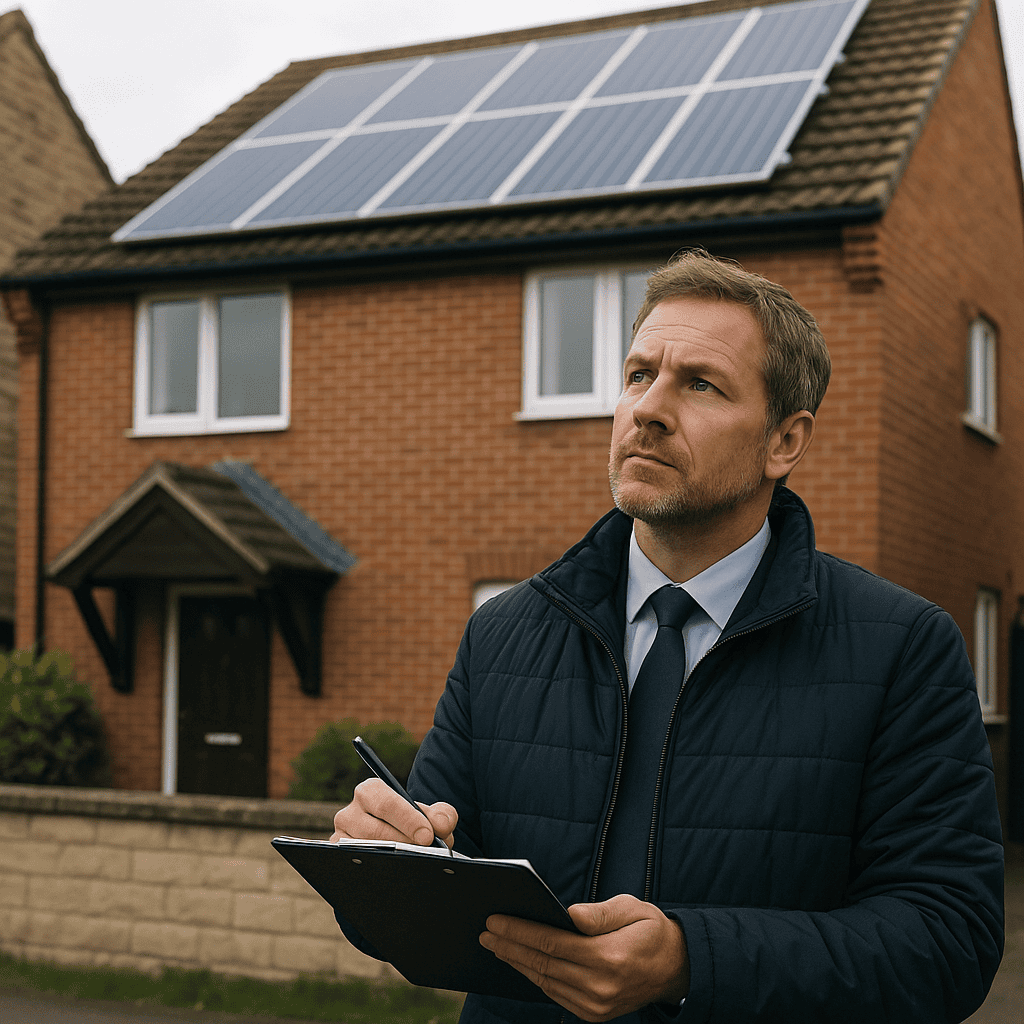
The process of complying with solar building regulations begins with a comprehensive site assessment. Our team of experts conducts a free evaluation of your property to determine its suitability for solar PV and battery storage solutions. This assessment not only considers the technical aspects, such as roof orientation and shading, but also ensures compliance with local building regulations and planning permissions.
Following the initial assessment, we provide a bespoke design tailored to your specific needs. Our designs prioritize safety and high-quality materials, aligning with the standards set by the Renewable Energy Consumer Code. We handle all necessary documentation and applications required for regulatory approval, ensuring a seamless experience for our clients.
Once the design is approved, our certified technicians carry out the installation, adhering strictly to regulatory guidelines. Post-installation, we offer ongoing maintenance to ensure your system operates efficiently, helping typical homeowners save between £800–£1,200 annually on energy bills. Our commitment to excellence guarantees that your investment in renewable energy is secure and compliant with all necessary regulations.
Solar Surprise
The UK’s solar building regulations help ensure new homes can harness sunlight, reducing energy bills and carbon footprint.
Understanding Solar Building Regulations
To get started with solar energy installation, it’s essential to familiarize yourself with the relevant building regulations that govern solar PV systems. In the UK, these regulations ensure safety and compliance with local planning laws, which may vary depending on your location. Begin by researching the specific requirements for solar installations in your area, including any permits or approvals needed from your local council. This step is crucial to avoid potential legal issues and ensure a smooth installation process.
Once you have a grasp of the regulations, consider consulting with a professional who is well-versed in solar building regulations. They can provide valuable insights and help you navigate the complexities of compliance. Additionally, staying informed about any changes in legislation or new incentives for renewable energy can enhance your understanding and ensure that your solar project aligns with current standards. This foundational knowledge will pave the way for a successful solar installation that meets all regulatory requirements.
Top 3 things about Building Regulations
Understanding building regulations is essential for solar energy installations. Here are three key aspects to consider.
Compliance with Local Standards
Building regulations vary by location, so it's crucial to check local standards before installing solar panels to ensure compliance and avoid potential fines.
Energy Performance Requirements
Solar installations must meet energy performance criteria, which assess the efficiency of a building's energy use and can impact overall project approval.
Safety and Structural Integrity
Regulations ensure that solar installations do not compromise the structural integrity of buildings, requiring assessments to confirm safety and stability during and after installation.
Top 5 Questions About Solar Building Regulations
What are the latest building regulations affecting solar technology installations?
The latest building regulations for solar technology installations in the UK focus on energy efficiency, structural integrity, and safety standards. Compliance with the Building Regulations, including Part L for energy performance, is essential for all solar projects.
How do building regulations impact the costs of solar technology projects?
Building regulations can influence the costs of solar technology projects by necessitating compliance with specific standards, which may require additional materials or modifications. Adhering to these regulations ensures safety and efficiency but can increase initial investment and installation expenses.
What grants are available to help with compliance to solar-related building regulations?
Various grants are available to support compliance with solar-related building regulations, including the Renewable Heat Incentive (RHI) and the Green Homes Grant. These programmes can help offset installation costs and ensure adherence to regulatory standards.
What policy changes are influencing building regulations for solar energy systems?
Recent policy changes, including the UK's commitment to net-zero emissions and updates to the Building Regulations, are promoting the integration of solar energy systems. These changes encourage sustainable building practices and enhance energy efficiency standards for new developments.
How can homeowners navigate building regulations when applying for solar technology grants?
Homeowners should consult their local council's planning department to understand specific building regulations for solar installations. Additionally, reviewing the government's guidance on solar technology grants can help ensure compliance and streamline the application process.