
How does the lifecycle of solar panels affect their overall environmental impact compared to other renewables?
The lifecycle of solar panels plays a crucial role in determining their overall environmental impact, especially when compared to other renewable energy sources. From production to disposal, each stage of a solar panel’s lifecycle contributes to its environmental footprint. Solar panels are known for their ability to generate clean energy during their operational phase, which significantly offsets the emissions produced during their manufacturing and end-of-life stages.
When evaluating solar panels against other renewables, it’s essential to consider the entire lifecycle. While the production of solar panels involves energy-intensive processes and the use of raw materials, their long operational lifespan and recyclability offer substantial environmental benefits. The net positive impact of solar panels is often more pronounced when considering the reduction in greenhouse gas emissions over their lifetime.
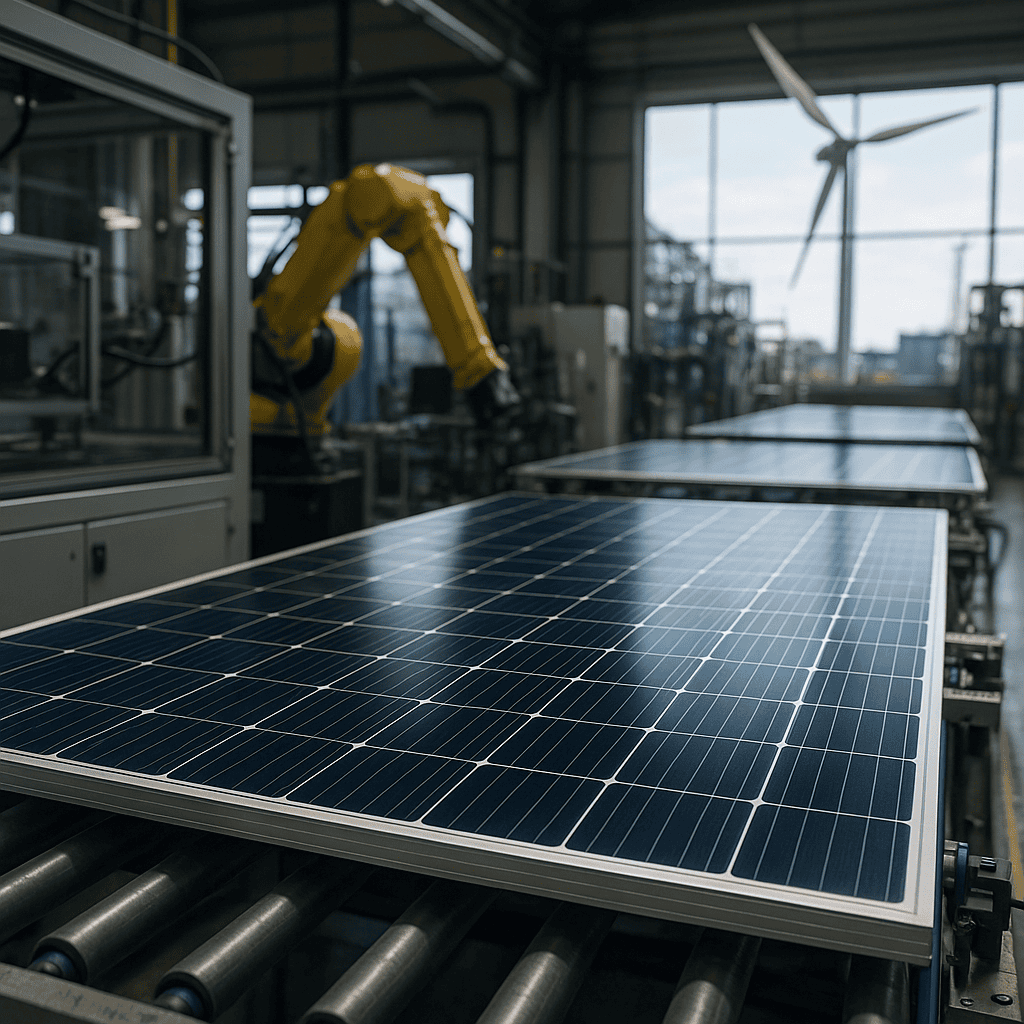
The production phase of solar panels is often scrutinised due to its reliance on energy-intensive processes and raw materials such as silicon, silver, and aluminium. However, advancements in technology have led to more efficient manufacturing methods, reducing the energy consumption and emissions associated with this stage. When compared to other renewables, such as wind turbines, solar panels may have a higher initial environmental cost but compensate through their long-term clean energy output.
During their operational phase, solar panels generate electricity without emitting greenhouse gases, a significant advantage over fossil fuels. This phase can last 25 to 30 years, during which solar panels provide a consistent and reliable source of renewable energy. Their ability to produce clean energy over such an extended period contributes positively to their overall environmental impact, making them a favourable choice in the transition to sustainable energy.
At the end of their lifecycle, solar panels can be recycled, further mitigating their environmental impact. Recycling processes are becoming increasingly efficient, allowing for the recovery of valuable materials and reducing waste. Compared to other renewables, the recyclability of solar panels enhances their environmental credentials, ensuring that their lifecycle impact remains minimal. Overall, when considering the entire lifecycle, solar panels offer a competitive and sustainable option in the realm of renewable energy.