
How do the costs of solar energy compare to wind and hydroelectric power in terms of environmental impact?
When evaluating the costs of solar energy compared to wind and hydroelectric power, it is crucial to consider not only the financial aspects but also the environmental impacts. Solar energy, wind power, and hydroelectricity each have distinct environmental footprints that influence their overall cost-effectiveness and sustainability.
Solar energy is often lauded for its minimal environmental impact during operation, as it harnesses sunlight without emitting greenhouse gases. However, the production of solar panels involves energy-intensive processes and the use of hazardous materials, which can affect the environment. In contrast, wind power and hydroelectricity have their own environmental considerations, such as the impact on local ecosystems and wildlife. Understanding these nuances is essential in making informed decisions about which energy source to adopt.
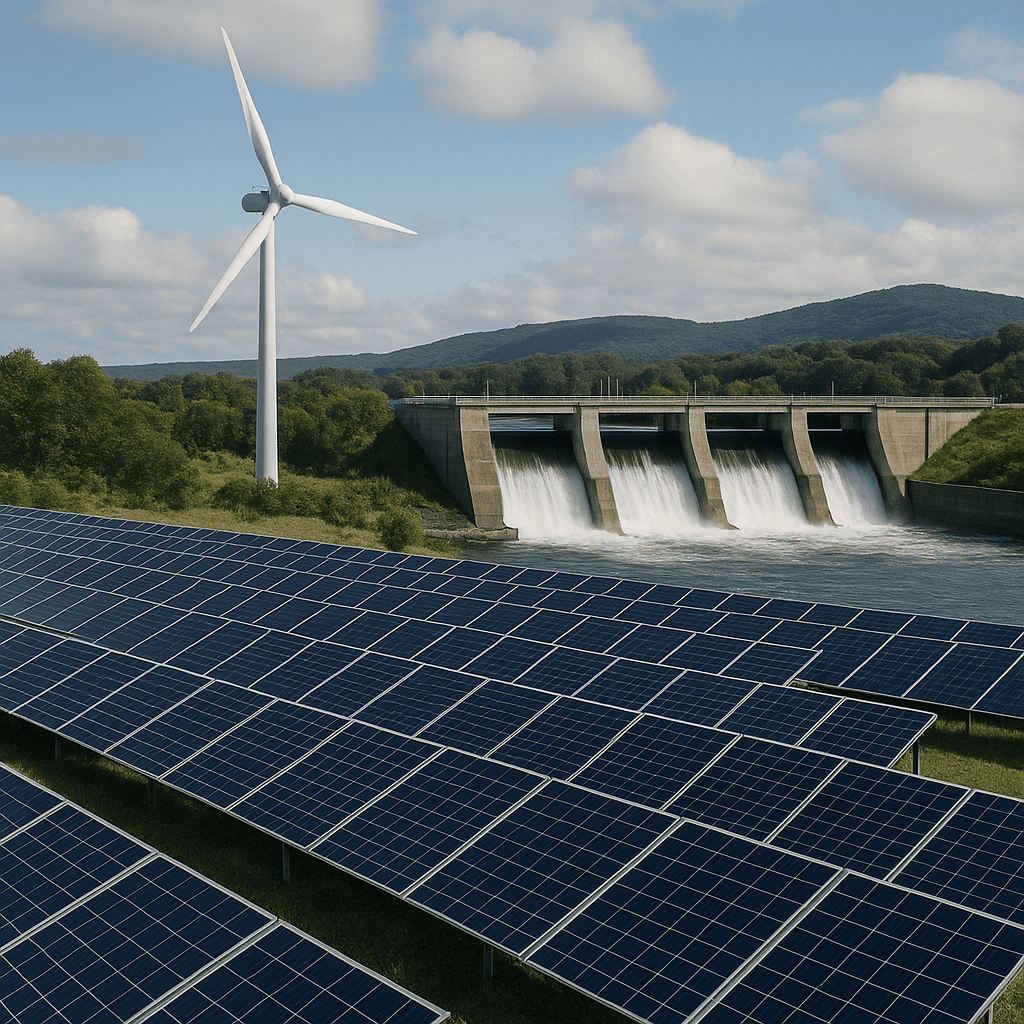
While solar energy systems have a relatively low environmental impact during their operational phase, the manufacturing and disposal of solar panels can contribute to pollution and resource depletion. The process requires significant energy input and can involve toxic chemicals, although advancements continue to improve their eco-friendliness. On the other hand, wind power is generally seen as environmentally friendly, with turbines producing energy without direct emissions. However, they can pose risks to bird and bat populations, and their construction and maintenance can disrupt local ecosystems.
Hydroelectric power stands out for its ability to produce large amounts of energy with low emissions once operational. Yet, its environmental impact is significant, especially concerning aquatic habitats and water quality. The construction of dams can lead to habitat destruction and altered water flow, affecting both local wildlife and human communities. Balancing these factors is essential in assessing the true environmental costs of hydroelectric power.
In conclusion, while all three renewable energy sources offer cleaner alternatives to fossil fuels, they each present unique environmental challenges. Solar energy’s impact is largely tied to its production process, wind power’s to its effect on wildlife, and hydroelectricity’s to its influence on aquatic systems. An informed choice should weigh these environmental costs alongside financial considerations to determine the most sustainable option.