
How Solar Panels Help Reduce Energy Costs
Solar panels offer a sustainable solution for businesses looking to minimise energy expenses while contributing to eco-friendly practices. Their integration into operations can significantly lower energy bills and enhance overall efficiency.
Cost Savings Through Solar Energy
By harnessing solar energy, businesses can reduce reliance on traditional energy sources, leading to substantial savings on electricity costs over time.
Long-Term Financial Benefits
Investing in solar panels not only decreases monthly energy bills but can also increase property value and attract environmentally conscious clients and investors.
Incentives and Support for Solar Adoption
Various government incentives and grants are available to support businesses in adopting solar energy, making the transition both financially viable and beneficial for the environment.
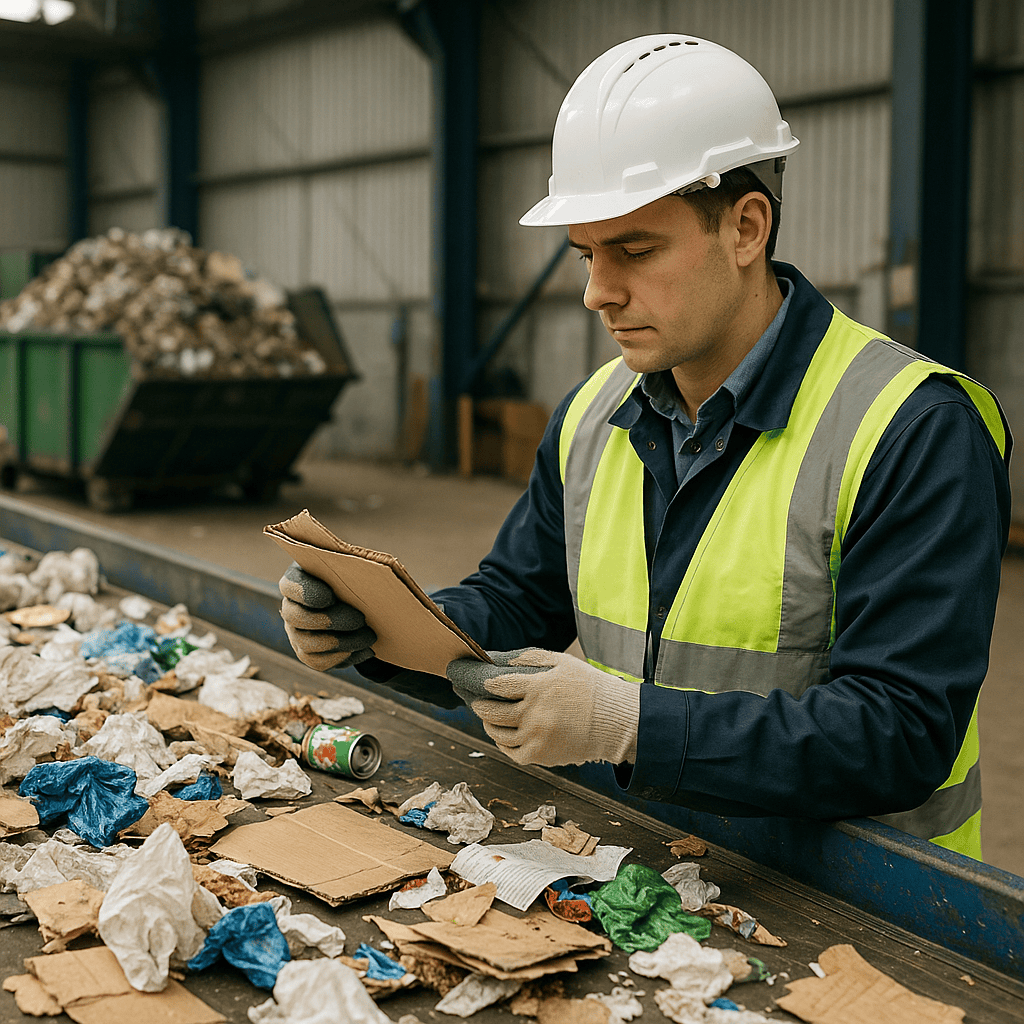
The Recycling and Waste Process
The recycling and waste process begins with a comprehensive assessment of the materials to be recycled. This initial step involves identifying recyclable materials and sorting them accordingly to ensure that they are processed in the most efficient manner. For businesses and homeowners, partnering with a company that offers sustainable solutions not only helps in reducing environmental impact but also aids in cutting down energy costs.
Once the materials are sorted, they are transported to recycling facilities where they undergo various treatments to convert them into reusable resources. This stage is crucial as it transforms waste into valuable products, contributing to a circular economy. The company’s commitment to safety and high-quality work ensures that every step of this process adheres to industry standards, minimizing any potential hazards.
Finally, the recycled materials are reintroduced into the market, closing the loop and promoting sustainability. The company’s end-to-end solutions, from site assessments to ongoing maintenance, reflect their dedication to reducing carbon footprints and supporting renewable energy initiatives. By choosing such services, individuals and businesses not only contribute to environmental conservation but can also achieve significant savings on energy bills, underscoring the dual benefits of recycling and waste management.
Recycling Wonder
Recycling one aluminum can saves enough energy to power a TV for three hours, boosting sustainability efforts!
Practical Steps to Sustainable Recycling
To get started with effective recycling, first, assess your current waste disposal practices. Identify materials you typically throw away, such as plastic, paper, and metal, and research your local recycling guidelines. Many communities have specific rules about what can and cannot be recycled, so understanding these regulations is essential to avoid contamination and ensure materials are processed correctly.
Next, set up a dedicated recycling station in your home or workplace. Use clearly labeled bins for different materials to make sorting easier and more efficient. Encourage family members or colleagues to participate by educating them on the importance of recycling and its environmental benefits. By creating a culture of recycling, you can significantly reduce landfill waste and contribute to a more sustainable future. Continue reading to explore innovative recycling methods and how they can positively impact the environment.
Top 3 things about Recycling and Waste
Understanding recycling and waste management is crucial for reducing environmental impact and promoting sustainability in the UK.
Importance of Recycling
Recycling conserves natural resources, reduces landfill waste, and lowers greenhouse gas emissions, contributing to a healthier environment and sustainable future.
Types of Recyclable Materials
Common recyclable materials include paper, plastics, metals, and glass. Each type requires specific processing methods to ensure effective recycling and resource recovery.
Challenges in Recycling
Contamination, lack of public awareness, and inadequate infrastructure can hinder recycling efforts, making it essential to improve education and facilities for effective waste management.
Top 5 Questions About Recycling and Waste Management
What are the environmental benefits of recycling solar panels?
Recycling solar panels reduces landfill waste, conserves natural resources, and minimises environmental pollution. It recovers valuable materials like silicon, glass, and metals, promoting a circular economy and supporting sustainable energy practices while decreasing the carbon footprint associated with manufacturing new panels.
How does solar technology contribute to waste reduction in the energy sector?
Solar technology reduces waste in the energy sector by minimising reliance on fossil fuels, which generates significant waste during extraction and combustion. Additionally, solar panels can be recycled at the end of their life cycle, further decreasing landfill contributions.
What are the costs associated with recycling solar technology?
Costs for recycling solar technology can vary based on factors such as the type of materials, collection methods, and processing requirements. Generally, expenses include transportation, labour, and facility fees, but many companies offer competitive pricing for sustainable recycling solutions.
What impact does improper disposal of solar panels have on the environment?
Improper disposal of solar panels can lead to the release of hazardous materials, such as heavy metals, into the environment. This contamination can harm soil and water quality, posing risks to wildlife and human health, and undermining sustainable recycling efforts.
How can recycling practices for solar technology be improved to minimize waste?
Improving recycling practices for solar technology can be achieved by developing advanced recovery processes, enhancing product design for easier disassembly, and increasing collaboration between manufacturers and recyclers to ensure efficient material recovery and reduce overall waste.