
What measures can be taken to minimize the visual impact of solar energy projects?
The integration of solar energy projects into our landscapes is essential for a sustainable future, yet it is crucial to address the visual impact they may have on the environment. By implementing thoughtful strategies, the aesthetic disruption caused by solar installations can be significantly minimised, making them more harmonious with their surroundings.
Ensuring that solar projects blend seamlessly into their environments not only enhances the visual appeal but also fosters community acceptance and support. By considering the visual aspect as an integral part of solar project planning, we can promote renewable energy sources while preserving the natural beauty of our landscapes.
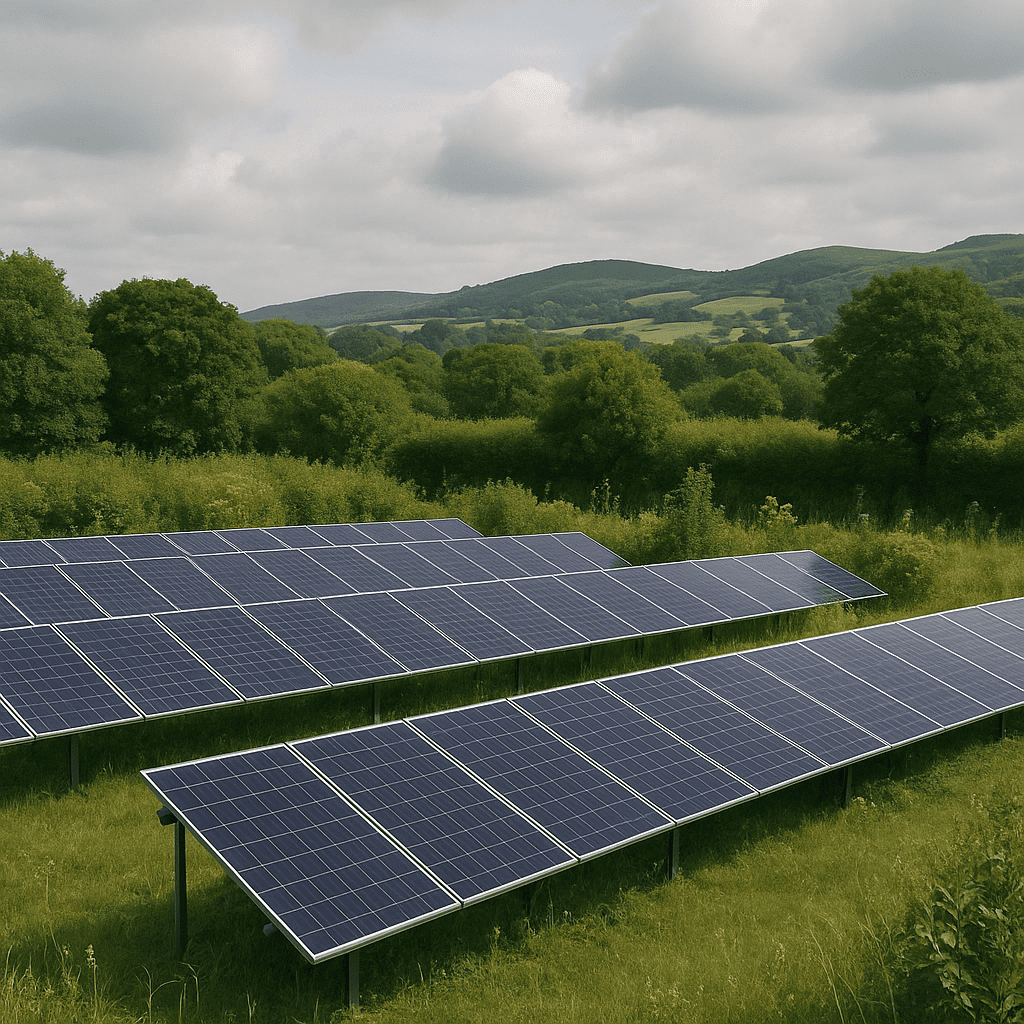
One effective approach to minimising visual impact is through strategic site selection. By choosing locations that are naturally screened by topography or vegetation, the visibility of solar installations can be reduced. Additionally, placing solar panels in less visually sensitive areas or using existing infrastructure can help maintain the scenic quality of the surroundings.
Another strategy involves incorporating landscaping and visual buffers. Planting native vegetation around solar arrays can create a natural barrier, softening the visual impact and enhancing biodiversity. The use of earth-toned or non-reflective materials for solar panels and structures can also help them blend more naturally into the landscape.
Finally, engaging with the local community throughout the planning and development process can provide valuable insights and foster support. Understanding community concerns and preferences allows for tailored solutions that respect both the visual aesthetics and the cultural significance of the area, ensuring a more harmonious integration of solar projects.