
What factors are considered in the life cycle assessment of solar panels?
The life cycle assessment (LCA) of solar panels is a comprehensive evaluation of the environmental impacts associated with their production, use, and disposal. This process aims to provide a holistic view of the solar panel’s environmental footprint, ensuring informed decision-making in both manufacturing and consumption. By examining various stages of a solar panel’s life, stakeholders can identify areas for improvement and innovation.
In assessing solar panels, factors such as raw material extraction, manufacturing processes, energy consumption, and end-of-life disposal are thoroughly analysed. Each stage contributes differently to the overall impact, and understanding these contributions is crucial for enhancing sustainability in solar energy solutions.
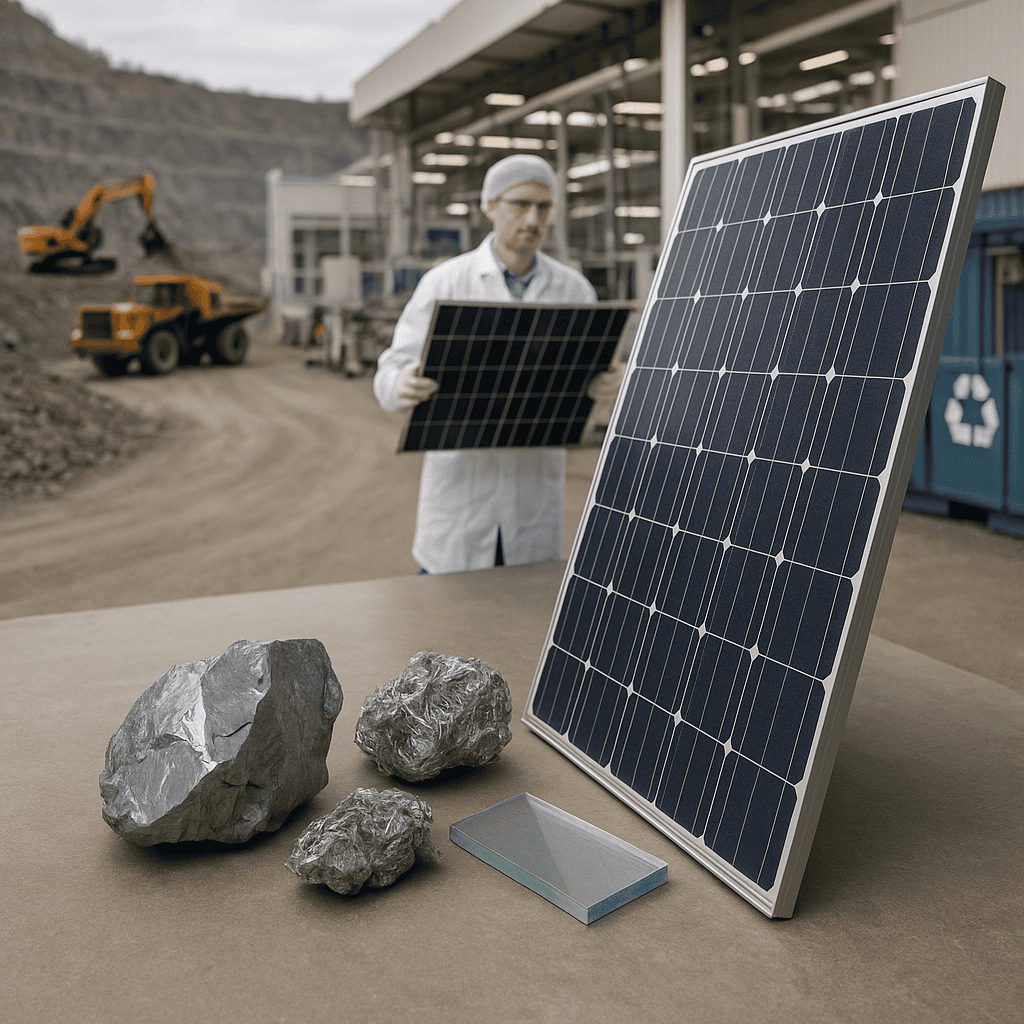
One of the key factors considered in the life cycle assessment of solar panels is the extraction and processing of raw materials. This stage involves evaluating the environmental impact of sourcing materials like silicon, aluminium, and glass, which are essential components of solar panels. The energy and resources required for mining, refining, and transporting these materials contribute significantly to the panel’s overall environmental footprint.
Another critical factor is the manufacturing process, where the panels are assembled. This stage assesses the energy consumption, waste generation, and emissions associated with producing solar panels. Advances in manufacturing technology can reduce these impacts, highlighting the importance of continuous innovation and efficiency improvements in the production phase.
Finally, the LCA considers the end-of-life management of solar panels. This involves analysing the methods for recycling or disposing of panels once they reach the end of their operational life. Effective recycling processes can recover valuable materials and reduce waste, while improper disposal may lead to environmental harm. By addressing these factors, the life cycle assessment of solar panels ensures the development of more sustainable and environmentally friendly solar energy systems.