
What factors influence the embodied carbon of solar panels during manufacturing?
The embodied carbon of solar panels refers to the total greenhouse gas emissions produced during their manufacturing process. This metric is crucial for assessing the overall environmental impact of solar energy solutions. Various factors influence the embodied carbon of solar panels, including the materials used, the energy sources powering the manufacturing facilities, and the techniques employed in production. Understanding these factors is essential for identifying areas where emissions can be reduced, thereby enhancing the sustainability of solar technology.
Manufacturers aim to minimise embodied carbon to ensure that solar panels offer a net positive environmental benefit over their lifespan. By focusing on sustainable practices in production, the solar industry can contribute significantly to global carbon reduction goals. Exploring the intricacies of these factors provides insights into how solar panels can become even more eco-friendly, supporting a transition to cleaner energy solutions worldwide.
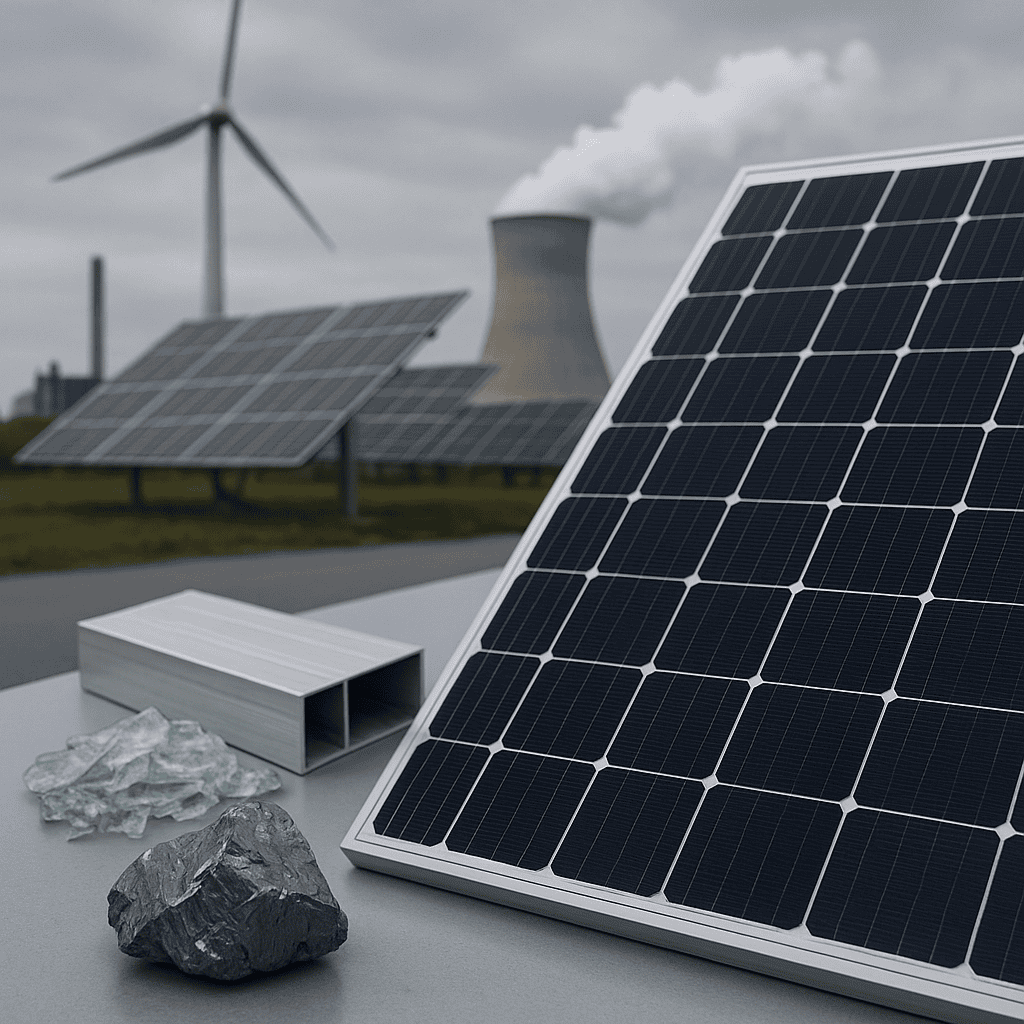
One of the primary factors influencing the embodied carbon of solar panels is the choice of materials. The extraction and processing of raw materials, such as silicon, aluminium, and glass, require substantial energy, often derived from fossil fuels. Opting for materials with lower carbon footprints or recycled content can significantly reduce the emissions associated with production. Additionally, advancements in material science may lead to the development of alternative materials that are both efficient and environmentally friendly.
Another critical factor is the energy mix used in the manufacturing process. Facilities powered by renewable energy sources, such as wind or solar, contribute less to the embodied carbon of solar panels compared to those reliant on coal or natural gas. By investing in cleaner energy for production, manufacturers can decrease the carbon intensity of their operations, enhancing the overall sustainability of their products.
Production techniques also play a significant role in determining the embodied carbon of solar panels. Innovations in manufacturing processes, such as improving energy efficiency or reducing waste, can lead to substantial carbon savings. Streamlining production methods and adopting cutting-edge technologies can help manufacturers produce solar panels with a lower environmental impact, thus supporting broader efforts to mitigate climate change.