
How can the embodied carbon of solar panels be reduced throughout their lifecycle?
Reducing the embodied carbon of solar panels throughout their lifecycle is essential for maximising their environmental benefits. The journey towards a lower carbon footprint begins with the choice of raw materials and extends through manufacturing, transportation, installation, and end-of-life management. By focusing on these critical stages, the solar industry can significantly reduce its carbon impact, making renewable energy even more sustainable.
The adoption of innovative technologies and practices plays a pivotal role in this process. From sourcing eco-friendly materials to utilising energy-efficient manufacturing techniques, each step offers opportunities to minimise emissions. By understanding and implementing these methods, stakeholders can ensure that solar panels contribute positively to environmental goals while maintaining their efficiency and effectiveness.
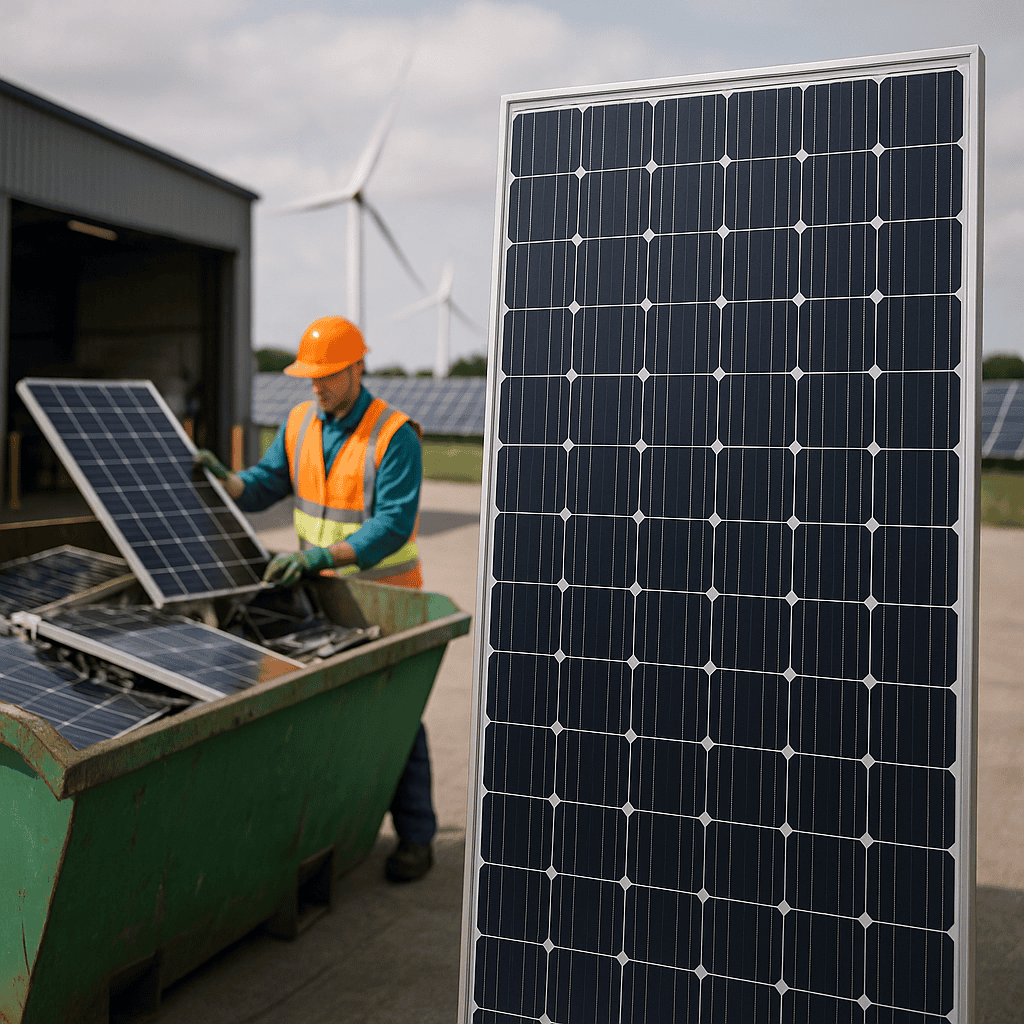
To start with, the selection of raw materials is crucial in reducing the embodied carbon of solar panels. Opting for materials that require less energy to produce or that are sourced sustainably can significantly lower emissions. Additionally, recycling materials from decommissioned panels can further decrease the need for new raw materials, thus reducing the carbon footprint.
The manufacturing process also offers opportunities for carbon reduction. Employing energy-efficient technologies and practices can substantially cut emissions associated with production. Utilising renewable energy sources to power manufacturing plants can further enhance this effort, ensuring that the production of solar panels is as green as their intended use.
Finally, the end-of-life phase of solar panels should not be overlooked. Developing effective recycling programmes ensures that valuable materials are recovered and reused, preventing unnecessary waste and further reducing environmental impact. By addressing each stage of the lifecycle, the solar industry can optimise its role in the transition to a more sustainable future.