
What role does solar technology play in achieving net-zero emissions goals?
Solar technology plays a pivotal role in the journey towards achieving net-zero emissions. By harnessing the abundant energy of the sun, solar power provides a clean and renewable source of electricity that significantly reduces reliance on fossil fuels. This shift not only cuts down emissions but also fosters sustainable energy practices that are crucial for a greener future.
As nations worldwide strive to meet ambitious climate targets, solar technology stands out as a key player in reducing carbon footprints. Its ability to generate electricity without producing greenhouse gases makes it an indispensable tool in combating climate change. By integrating solar solutions into energy systems, societies can make significant strides towards achieving net-zero emissions goals.
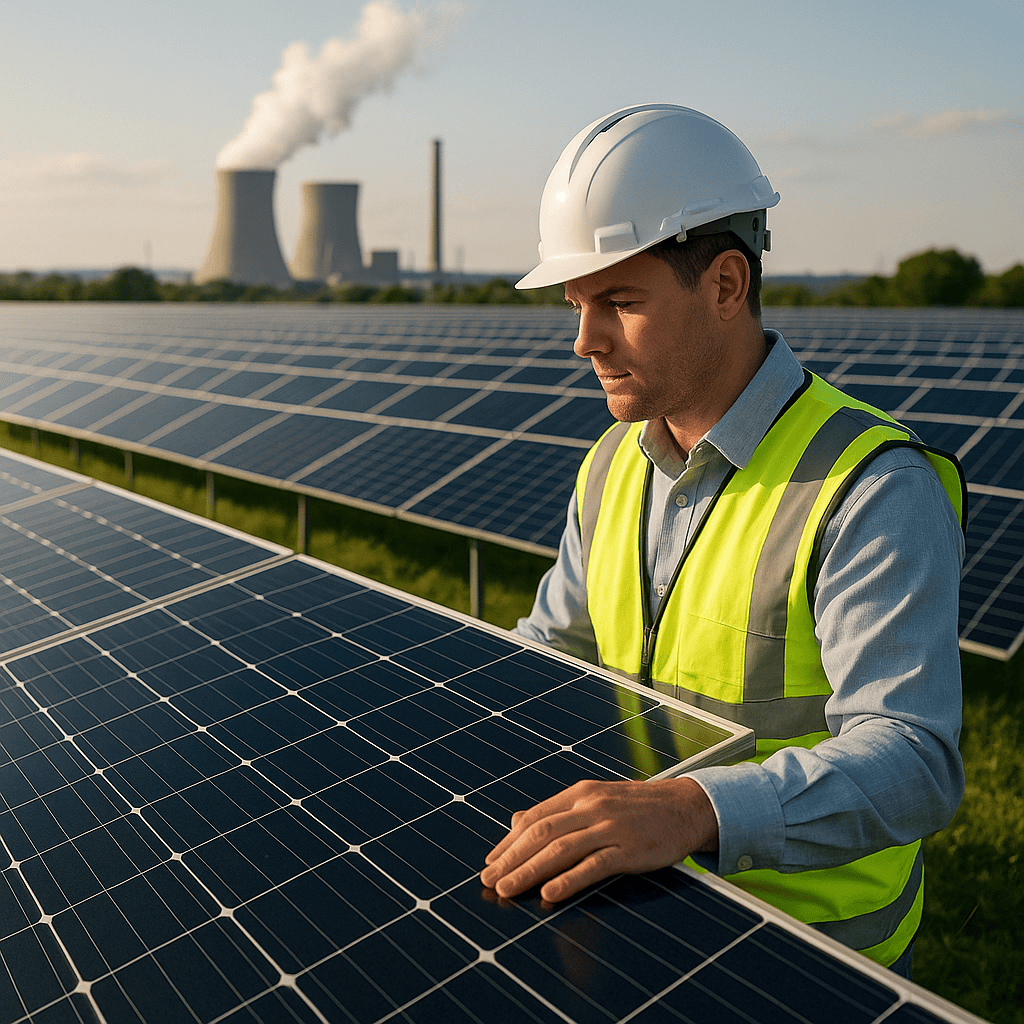
The environmental benefits of solar technology are profound, as it directly reduces the need for fossil fuel consumption. Traditional energy sources, such as coal and natural gas, release significant amounts of carbon dioxide and other pollutants into the atmosphere. In contrast, solar panels produce electricity without emitting harmful substances, making them an effective means of lowering overall emissions.
Furthermore, advancements in solar technology have led to increased efficiency and decreased costs, making it more accessible for widespread adoption. The scalability of solar installations, from small residential rooftops to large solar farms, allows for flexible integration into various energy grids. This adaptability ensures that solar power can contribute significantly to reducing emissions on both local and global scales.
Finally, solar technology supports energy independence and security by diversifying energy sources and reducing reliance on imported fuels. This not only contributes to emissions reduction but also stimulates economic growth through job creation in the renewable energy sector. By investing in solar technology, nations can achieve a sustainable balance between environmental responsibility and economic development, paving the way towards net-zero emissions.
