
How can understanding kWh help me reduce my energy bills with solar?
Understanding kilowatt-hours (kWh) is essential for anyone looking to reduce their energy bills, especially when considering solar energy. A kWh is a measure of energy consumption, and knowing how many kWh your household uses can help you make informed decisions about your energy needs. By analysing your kWh usage, you can identify patterns and areas where you might be using more energy than necessary.
When you integrate solar technology into your home, understanding kWh becomes even more crucial. Solar panels generate electricity measured in kWh, so knowing your typical consumption helps determine the size and efficiency of the solar system you need. This knowledge not only aids in selecting the most suitable solar setup but also maximises the potential savings on your energy bills.
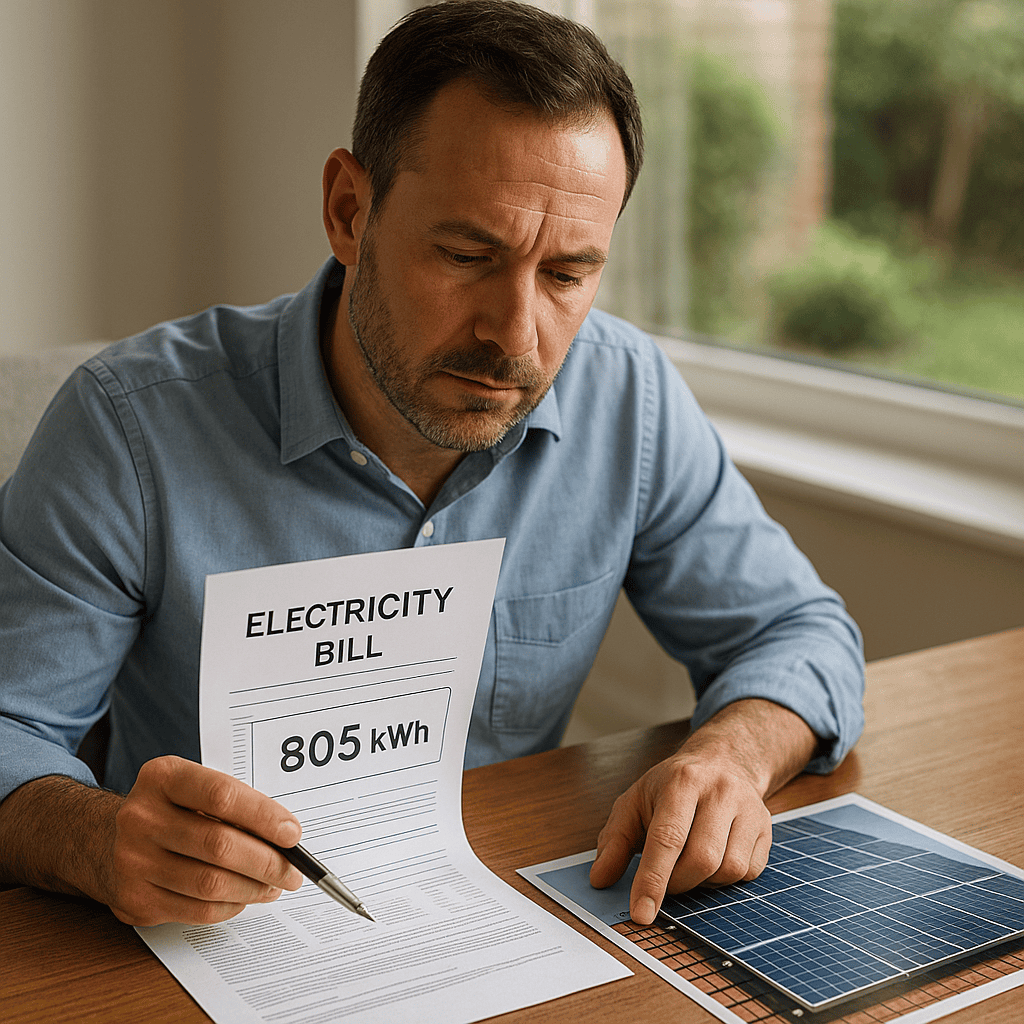
To reduce your energy bills effectively with solar, it’s important to first calculate your average monthly kWh usage. This can usually be found on your electricity bill, and it provides a baseline to understand your energy consumption. Knowing this figure helps you determine how many solar panels you might need to cover your energy requirements fully or partially.
Next, consider the efficiency and placement of your solar panels. The amount of energy generated depends on factors such as panel quality, orientation, and local sunlight exposure. A well-designed system aligned with your kWh needs can significantly offset your energy consumption from the grid, leading to reduced bills.
Finally, monitor your solar system’s performance regularly to ensure it meets your expectations. By comparing your kWh usage before and after installing solar, you can assess its impact on your energy bills. Adjusting your energy habits, like using high-energy appliances during peak sunlight hours, can further enhance your savings.