
How Solar Panels Lower Energy Expenses
Solar panels are an excellent investment for businesses looking to reduce energy costs. By harnessing the power of the sun, companies can significantly lower their kWh consumption and thus their energy bills.
The Financial Benefits of Solar Energy
Installing solar panels can lead to substantial savings on energy bills, allowing businesses to allocate funds to other critical areas.
Reducing kWh Consumption
Solar panels generate electricity directly from sunlight, which can dramatically decrease reliance on grid energy and lower overall kWh usage.
Long-Term Savings and Incentives
With government incentives and decreasing installation costs, businesses can enjoy long-term savings, making solar panels a wise financial choice.
Navigating the kWh and Billing Process
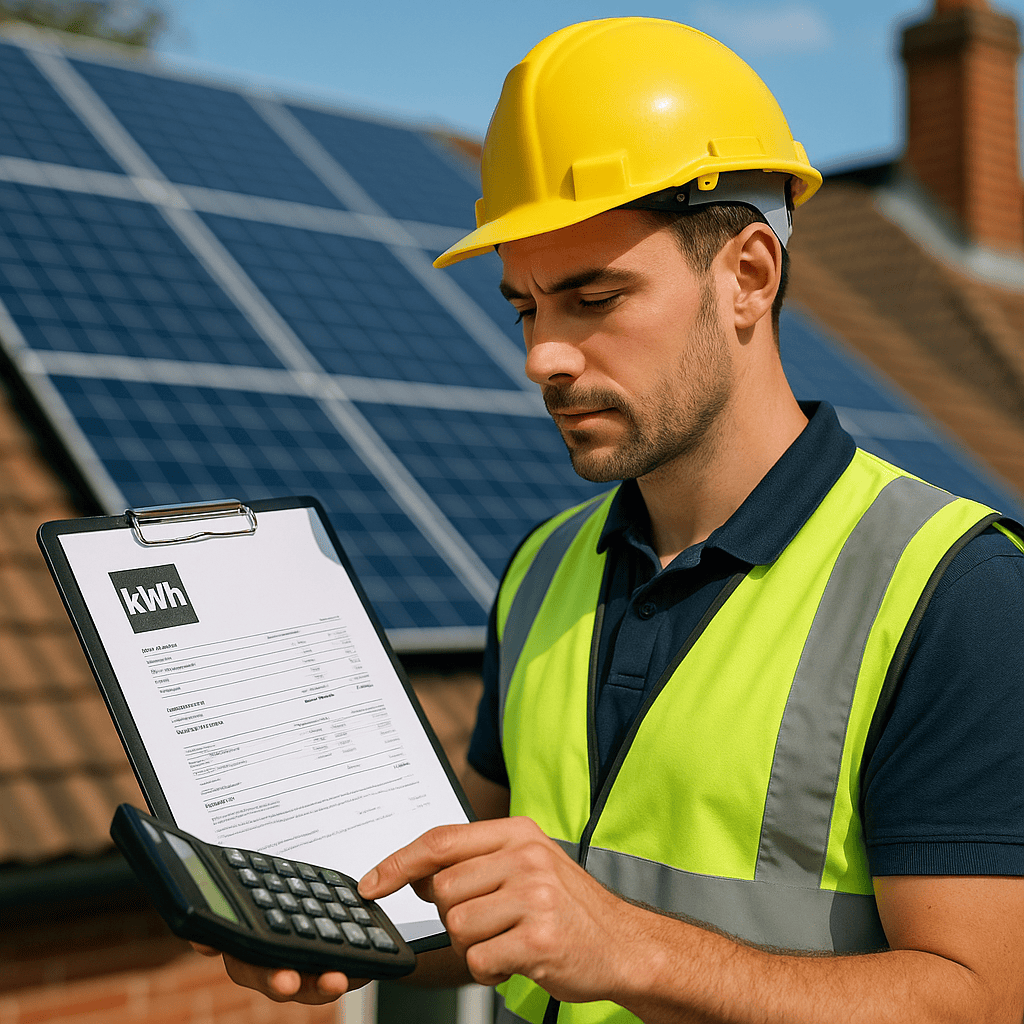
Understanding your energy consumption begins with grasping the concept of kilowatt-hours (kWh), a unit of energy that measures how much electricity you use over time. Our company provides a comprehensive breakdown of your energy usage, helping you identify potential areas for savings. By analyzing your current energy consumption, we tailor a solar PV and battery storage solution that meets your specific needs, potentially reducing your reliance on the grid and lowering your bills significantly.
The installation process is seamless and designed with the customer in mind. Starting with a free site assessment, our experts evaluate your property to design a bespoke system that maximizes efficiency and savings. Our certified professionals ensure a high-quality installation that adheres to safety standards. Post-installation, we offer maintenance services to keep your system running optimally.
By transitioning to solar energy, typical homeowners can save between £800–£1,200 annually. Our commitment to quality and customer satisfaction ensures you not only understand your energy bills better but also experience substantial savings. With our end-to-end service, you’re supported every step of the way, from initial consultation to ongoing maintenance.
Solar Savings
Switching to solar can reduce your energy bills by up to 70% while harnessing renewable energy!
Getting Started with kWh and Energy Bills
To begin understanding kWh and your energy bills, start by familiarizing yourself with the basics of kilowatt-hours (kWh). This unit measures electricity consumption over time, allowing you to see how much energy your household or business uses monthly. Review your previous energy bills to identify your average kWh usage and understand how different appliances contribute to your overall consumption.
Next, consider the factors that influence your energy costs, such as peak and off-peak rates, which can vary depending on your energy provider. Research your current tariff options and explore how renewable energy solutions, like solar PV and battery storage, could help reduce your reliance on the grid. By grasping these concepts, you’ll be better equipped to make informed decisions about energy efficiency and potential savings. Continue reading to learn more about how to optimize your energy usage and lower your bills.
Top 3 things about kWh and Bills
Understanding kilowatt-hours (kWh) and energy bills is essential for managing energy consumption and costs effectively.
What is a kilowatt-hour?
A kilowatt-hour (kWh) measures energy usage, representing the consumption of one kilowatt of power over one hour. It’s crucial for understanding your electricity bill.
How bills are calculated
Energy bills are calculated by multiplying the total kWh consumed by the unit rate charged by your energy provider, plus any standing charges or additional fees.
Understanding standing charges
Standing charges are fixed daily fees that cover the costs of supplying energy, regardless of usage. They appear on every bill and can impact overall costs significantly.
Top 5 Questions About kWh and Bills
What is the relationship between kWh usage and solar technology costs?
The amount of kWh generated by solar technology directly impacts overall costs, as higher energy production can lead to reduced reliance on grid electricity, lowering bills. Efficient systems maximise kWh output, offering better long-term financial benefits.
How can understanding kWh help me reduce my energy bills with solar?
Understanding kWh allows you to monitor your energy consumption and production from solar panels. By optimising usage during peak solar generation times and reducing reliance on grid electricity, you can effectively lower your overall energy bills.
What factors influence kWh rates and how do they impact solar investment?
kWh rates are influenced by factors such as energy demand, supply costs, government policies, and market competition. Fluctuations in these rates can significantly impact the return on investment for solar systems, affecting long-term savings and payback periods.
How does solar energy affect my monthly electricity bill in terms of kWh?
Solar energy can reduce your monthly electricity bill by generating kWh for your home, decreasing the amount of energy you need to purchase from your supplier. This can lead to significant savings, especially during sunny months when production is highest.
What should I consider when evaluating kWh consumption for solar system buying?
Consider your average energy usage, peak sunlight hours, and the efficiency of potential solar panels. Assess your current electricity bills to estimate savings and ensure the system size aligns with your consumption patterns for optimal performance and cost-effectiveness.