How do different financing options impact the overall cost of solar installation?
When considering solar installation, the financing option you choose can significantly influence the overall cost. Various financing methods, such as cash purchases, loans, and leases, each have unique implications on the total expenditure. Understanding these impacts can help you make an informed decision that aligns with your financial goals and energy needs.
It’s essential to evaluate how upfront costs, interest rates, and potential savings vary with each option. For instance, while paying in cash might offer the lowest long-term cost, loans or leases could make solar power more accessible by spreading payments over time. Thus, recognising the nuances of each financing path is crucial for optimising your investment in solar energy.
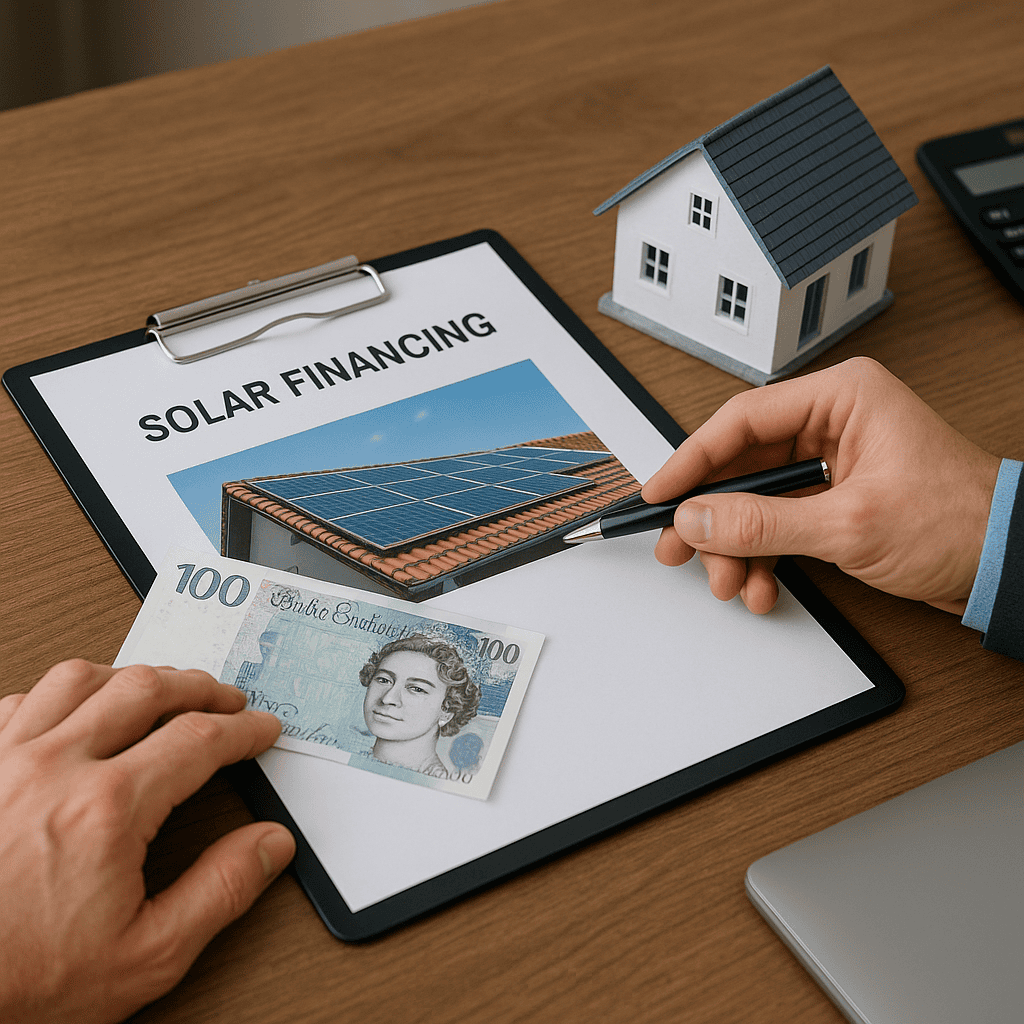
Cash payments for solar installations typically result in the lowest overall cost, as there are no interest payments involved. This option is ideal for those who can afford the upfront expense and wish to maximise their return on investment over time. By eliminating financing charges, homeowners can immediately benefit from energy savings and potentially increase their property’s value.
On the other hand, solar loans spread the cost of installation over several years, making it a more feasible option for many. While interest rates can add to the total cost, loans often offer tax advantages and incentives that can offset some of these expenses. It’s important to compare loan terms and interest rates to ensure they align with your financial situation.
Leasing or power purchase agreements (PPAs) provide another alternative, often requiring little to no upfront cost. However, these options might result in higher long-term expenses compared to owning the system outright. With leasing, you pay a fixed monthly fee, while PPAs charge for the energy generated. Both can reduce immediate financial barriers, but understanding the contract terms is vital to avoid unexpected costs.