
What is the difference between photovoltaic and thermal solar technology?
Solar energy is harnessed through two primary technologies: photovoltaic (PV) and solar thermal. Both utilise the sun’s energy, yet they do so in distinct ways, serving different purposes. Understanding these differences is crucial for anyone looking to invest in solar technology, as it will help determine which system best suits their needs.
Photovoltaic technology directly converts sunlight into electricity using solar panels composed of semiconductor cells. In contrast, solar thermal technology captures the sun’s heat to produce thermal energy, typically used for heating water or spaces. While both contribute to sustainable energy solutions, their applications vary significantly.
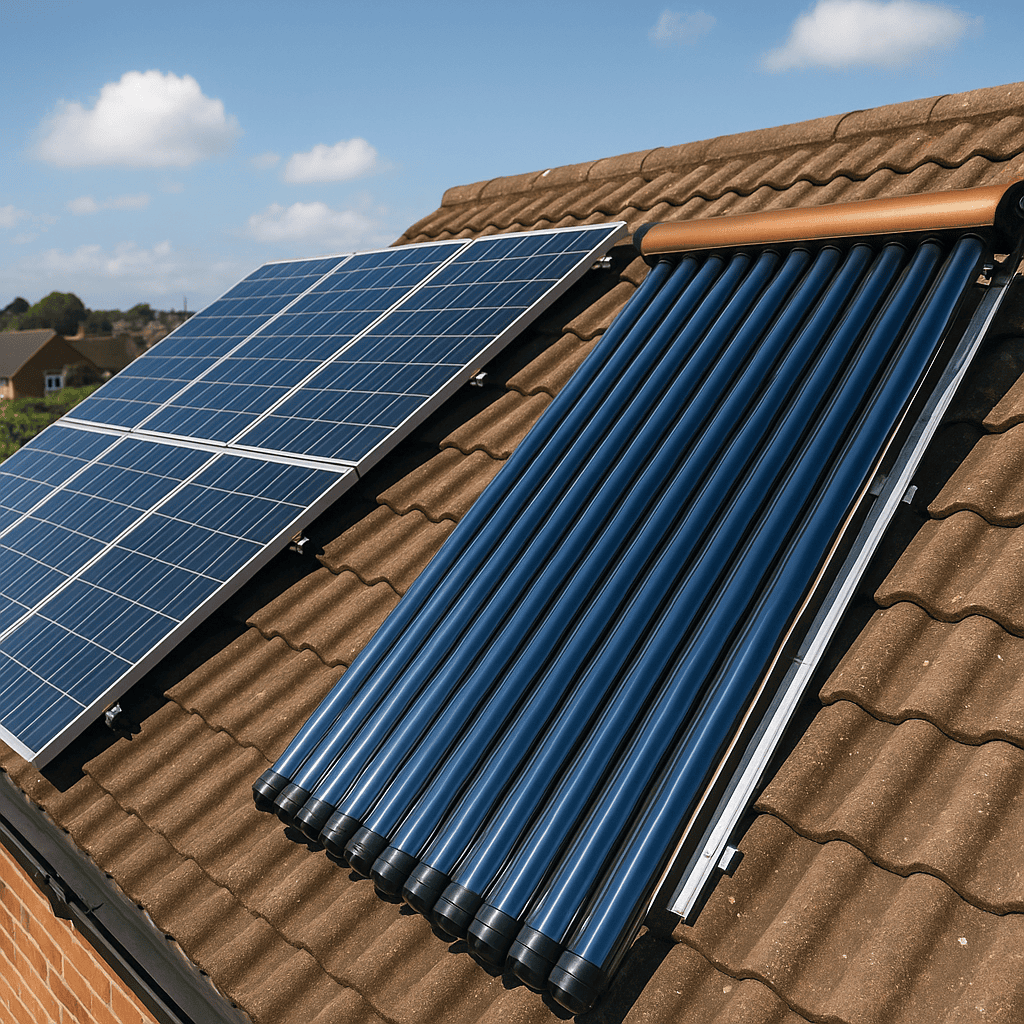
Photovoltaic systems are designed to generate electricity. They do this by using solar panels made of materials such as silicon, which absorb sunlight and release electrons, creating an electric current. This electricity can then be used to power homes, businesses, or fed back into the grid. PV systems are ideal for those looking to lower their electricity bills or reduce their carbon footprint.
On the other hand, solar thermal systems are primarily used for heating purposes. They capture the sun’s heat through collectors, which is then transferred to a fluid medium, such as water or air. This heated fluid can be utilised for domestic hot water, space heating, or even powering cooling systems. Solar thermal is particularly beneficial in regions where heating demands are significant.
In conclusion, the choice between photovoltaic and solar thermal technology depends on the specific energy needs of the user. For electricity generation, PV systems are optimal, while solar thermal systems are more suited for heating applications. Both technologies offer sustainable solutions, each contributing uniquely to energy efficiency and environmental conservation.