
What factors influence the pricing of solar energy systems?
The pricing of solar energy systems is influenced by a variety of factors, each playing a critical role in determining the overall cost. Understanding these elements is essential for anyone considering an investment in solar technology. From the size and type of the system to the installation location and available incentives, each aspect has a significant impact on the final price.
Furthermore, technological advancements and market dynamics also contribute to the fluctuations in pricing. As solar technology continues to evolve, the cost-effectiveness and efficiency of systems improve, potentially reducing the initial investment required. Being informed about these factors can aid in making a well-considered decision regarding solar energy adoption.
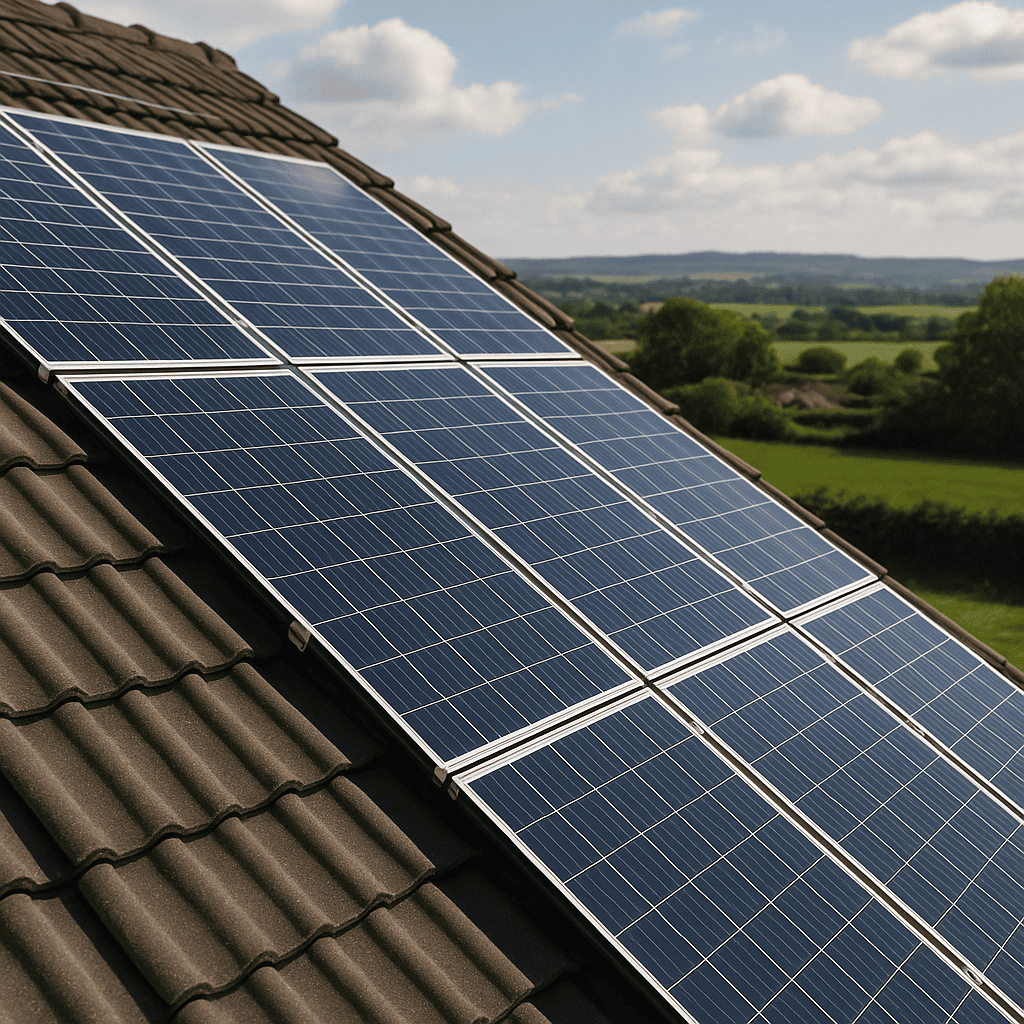
One of the primary factors influencing solar energy system pricing is the size and capacity of the system itself. Larger systems, which can generate more electricity, naturally cost more due to the increased number of solar panels and associated equipment required. Additionally, the type of solar panels chosen—such as monocrystalline, polycrystalline, or thin-film—can affect the price, with each type offering different levels of efficiency and cost.
The location of the installation also plays a significant role in pricing. Geographic and climatic conditions can impact the amount of sunlight a system can capture, influencing the efficiency and, consequently, the cost-effectiveness of the system. Moreover, local regulations and permitting fees can vary widely, adding to the overall expenditure.
Finally, government incentives and subsidies can significantly alter the pricing landscape. Many regions offer financial incentives to encourage the adoption of renewable energy, which can offset the initial costs. Staying abreast of these incentives can provide substantial savings and make solar energy a more attractive option for potential adopters.