
What are the key terms related to solar technology that buyers should know?
Navigating the world of solar technology can be daunting, especially with the plethora of terms and jargon that accompany this innovative field. Understanding these key terms is crucial for anyone considering investing in solar technology, as it not only empowers buyers to make informed decisions but also ensures they can communicate effectively with industry professionals.
This guide aims to demystify the essential terminology associated with solar technology, providing a clear and concise glossary for potential buyers. Whether you’re exploring options for residential solar panels or looking into commercial solar systems, familiarising yourself with these terms will enhance your confidence and competence in the solar market.
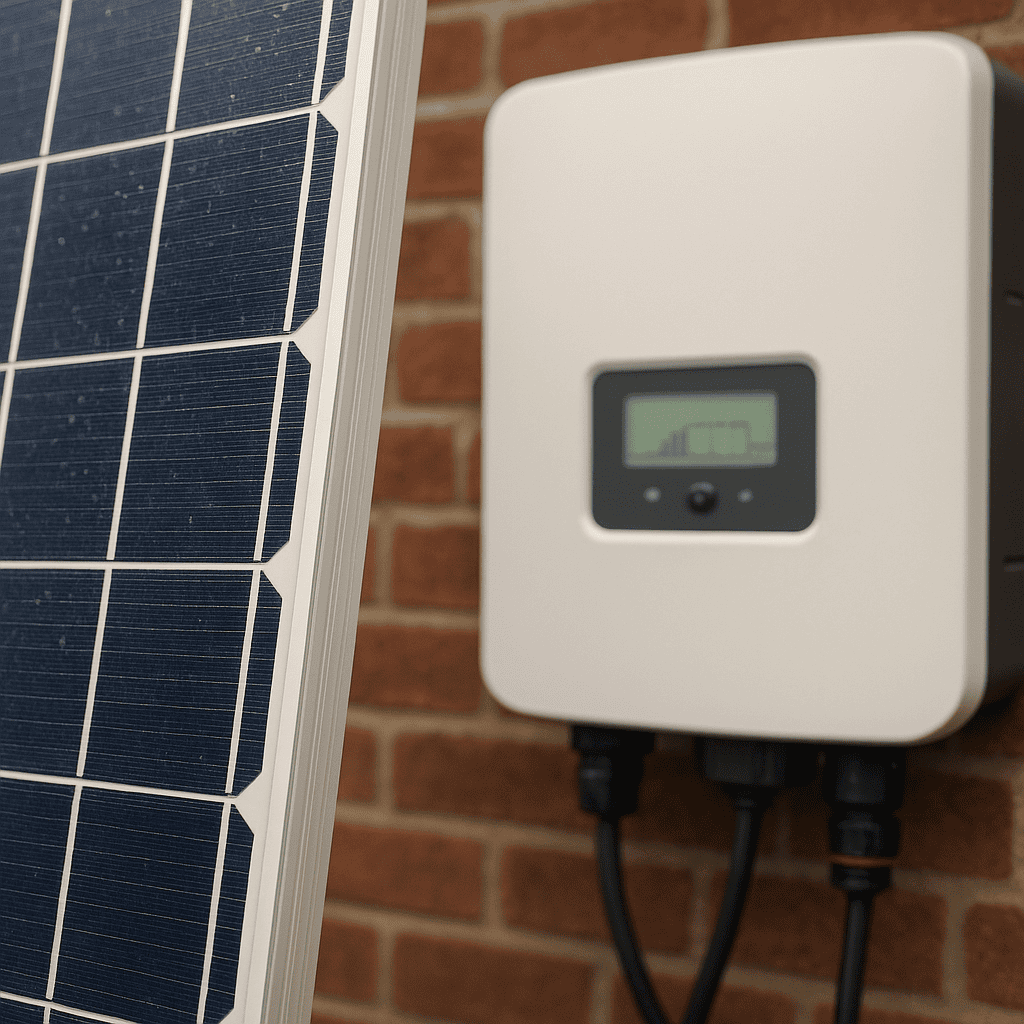
One fundamental term to understand is “photovoltaic (PV) cells,” the core components of solar panels that convert sunlight into electricity. These cells are made from semiconductor materials, such as silicon, and are responsible for generating renewable energy. Familiarity with PV cells is essential, as they are the building blocks of any solar energy system.
Another critical term is “inverter,” a device that converts the direct current (DC) electricity produced by solar panels into alternating current (AC) electricity, which can be used by household appliances. Understanding the role of inverters is important, as they are integral to the efficiency and functionality of a solar energy system.
Lastly, the term “net metering” refers to a billing mechanism that credits solar energy system owners for the electricity they add to the grid. When your solar panels produce excess electricity, it is sent back to the grid, and net metering allows you to offset your electricity costs by receiving credits for this surplus energy. This concept is vital for maximising the financial benefits of your solar investment.