
How do different solar technologies compare in terms of efficiency and cost for commercial use?
In the ever-evolving landscape of solar technology, understanding the efficiency and cost implications of various options is crucial for businesses aiming to harness solar energy. Different solar technologies, such as monocrystalline, polycrystalline, and thin-film, each offer unique benefits and challenges. As commercial entities increasingly seek sustainable energy solutions, selecting the most suitable solar technology becomes a key consideration.
Commercial solar installations require a careful balance between initial investment and long-term savings. While efficiency is important, it must be weighed against the cost to ensure a sound financial decision. By comparing the different solar technologies available, businesses can make informed choices that align with their energy needs and budget constraints.
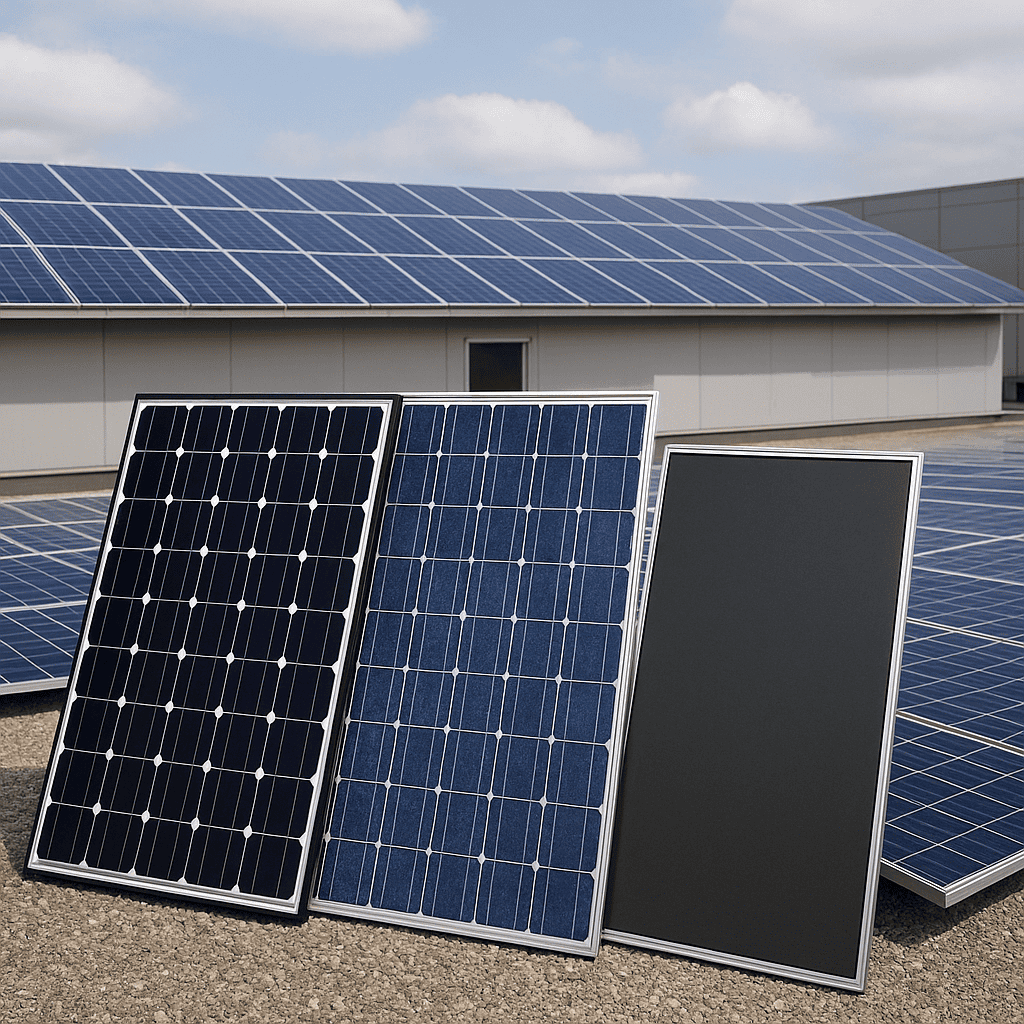
Monocrystalline solar panels are often celebrated for their high efficiency and long lifespan. These panels are made from a single, pure crystal structure, allowing them to convert sunlight into electricity more effectively than other types. However, this efficiency comes at a higher cost, making them a significant initial investment for commercial projects. Businesses with ample budget and space constraints may find monocrystalline panels a worthwhile option.
Polycrystalline panels, on the other hand, are made from multiple silicon crystals, resulting in a lower efficiency compared to monocrystalline panels. However, they are more cost-effective, making them an attractive option for businesses looking to balance efficiency with budgetary considerations. Although they require more space to generate the same amount of energy as monocrystalline panels, their affordability can make them a viable choice for larger installations.
Thin-film solar technology is another alternative, known for its flexibility and lightweight nature. While generally less efficient than crystalline-based panels, thin-film options are often more affordable and versatile. They can be particularly advantageous for commercial installations with unconventional surfaces or where weight is a concern. Despite their lower efficiency, the reduced cost and adaptability of thin-film panels can provide a competitive edge in specific commercial applications.