
What factors should be considered when determining the depth of discharge for solar energy storage?
When determining the depth of discharge (DoD) for solar energy storage, it is essential to consider several factors to optimise both efficiency and longevity of the system. Depth of discharge refers to the percentage of a battery’s capacity that has been used. Striking the right balance is crucial as it directly impacts the performance and lifespan of the battery.
Understanding the specific energy needs of your household or facility, alongside the characteristics of the battery technology used, is vital. By carefully evaluating these aspects, you can make informed decisions that not only meet your energy requirements but also contribute to the sustainability of your solar energy system.
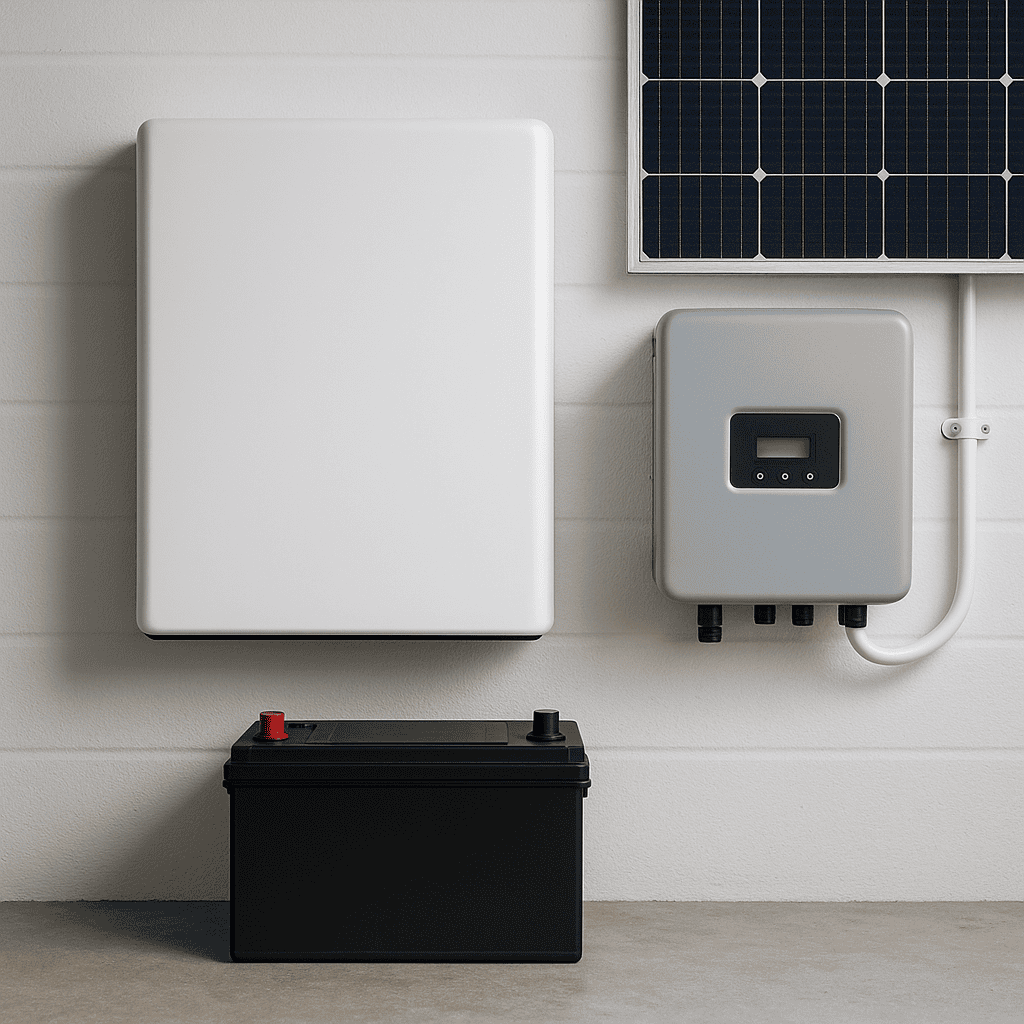
Firstly, consider the type of battery technology you are using, as different technologies have varying optimal DoD levels. For instance, lithium-ion batteries typically allow for a higher depth of discharge compared to lead-acid batteries. Knowing the recommended DoD for your specific battery type can prevent unnecessary wear and extend its operational life.
Secondly, assess your energy consumption patterns. If your energy usage is consistent and predictable, you might opt for a deeper discharge to maximise the utility of stored energy. However, if your usage fluctuates significantly, maintaining a shallower DoD can provide a buffer to accommodate unexpected surges in energy demand.
Lastly, consider the climate and environmental conditions in which your solar energy storage system operates. Extreme temperatures can affect battery performance, making it important to adjust the depth of discharge accordingly. Ensuring the battery is housed in a controlled environment can mitigate these effects and help maintain optimal performance.