
How do different battery chemistries affect the depth of discharge capabilities?
Understanding the depth of discharge (DoD) is crucial when evaluating battery performance, especially in solar energy systems. Different battery chemistries exhibit varying DoD capabilities, impacting their efficiency and lifespan. The depth of discharge refers to the percentage of a battery’s capacity that has been used relative to its total capacity. By exploring how different chemistries handle DoD, one can make informed decisions about which battery type is best suited for specific applications.
Batteries are integral to energy storage, and their chemistry plays a pivotal role in determining performance characteristics. For instance, some chemistries allow for deeper discharges without compromising battery life, while others require more conservative usage to maintain longevity. Understanding these differences can lead to optimised energy storage solutions tailored to individual needs.
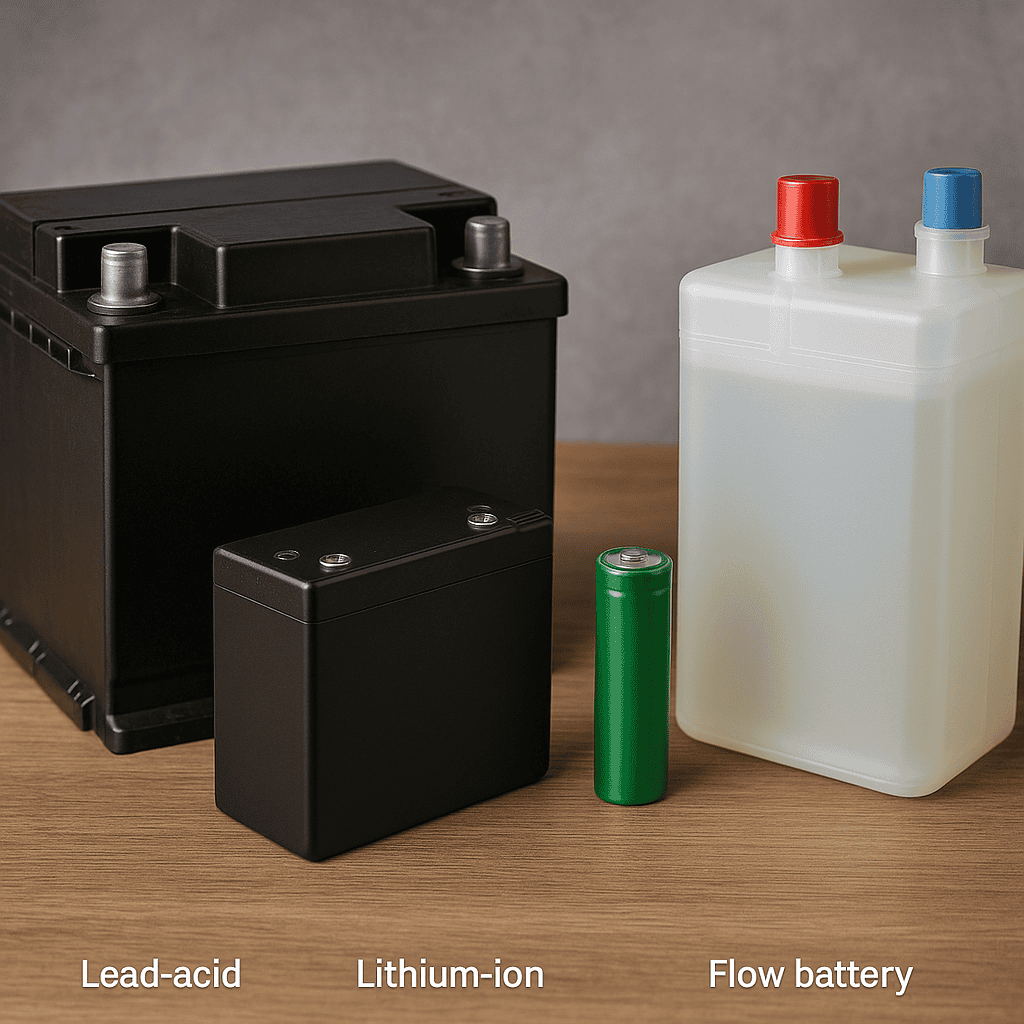
Lead-acid batteries, one of the oldest types, have a relatively low depth of discharge capability. Typically, they are limited to a DoD of around 50% to prevent significant degradation of their lifespan. This limitation means they are often used in applications where cost is a concern, and frequent cycling is not required. Conversely, lithium-ion batteries offer a much higher DoD, often up to 80-90%, allowing for more extensive usage without adversely affecting their longevity.
Nickel-based batteries, such as nickel-cadmium (NiCd) and nickel-metal hydride (NiMH), have varying depth of discharge capabilities. NiCd batteries can handle deep discharges better than lead-acid, but environmental concerns over cadmium use have limited their popularity. NiMH batteries, on the other hand, offer a balance between performance and environmental impact, although their DoD is generally less than that of lithium-ion batteries.
Flow batteries, a newer technology, present an innovative solution with nearly unlimited depth of discharge capabilities. These batteries use liquid electrolytes stored in external tanks, allowing for deep discharges without affecting the system’s lifespan. While they are still relatively expensive, their potential for high DoD and scalability makes them an attractive option for large-scale energy storage applications. Understanding these chemistries’ DoD capabilities can guide decisions, ensuring the optimal balance between performance, cost, and sustainability.