
How does cycle life affect the overall cost of solar battery systems?
Cycle life is a crucial factor in determining the overall cost of solar battery systems. It refers to the number of complete charge and discharge cycles a battery can undergo before its capacity significantly diminishes. A longer cycle life means the battery will last longer, delaying the need for replacement and thereby reducing long-term expenses. Understanding cycle life is essential for anyone considering investing in solar energy systems, as it directly influences both the initial investment and the ongoing maintenance costs.
By opting for a battery with a higher cycle life, you can ensure that your solar energy system remains efficient and cost-effective over a longer period. This not only maximises the return on your investment but also contributes to a more sustainable use of resources. Ultimately, a well-chosen battery will balance upfront costs with long-term savings, offering a more reliable and economical energy solution.
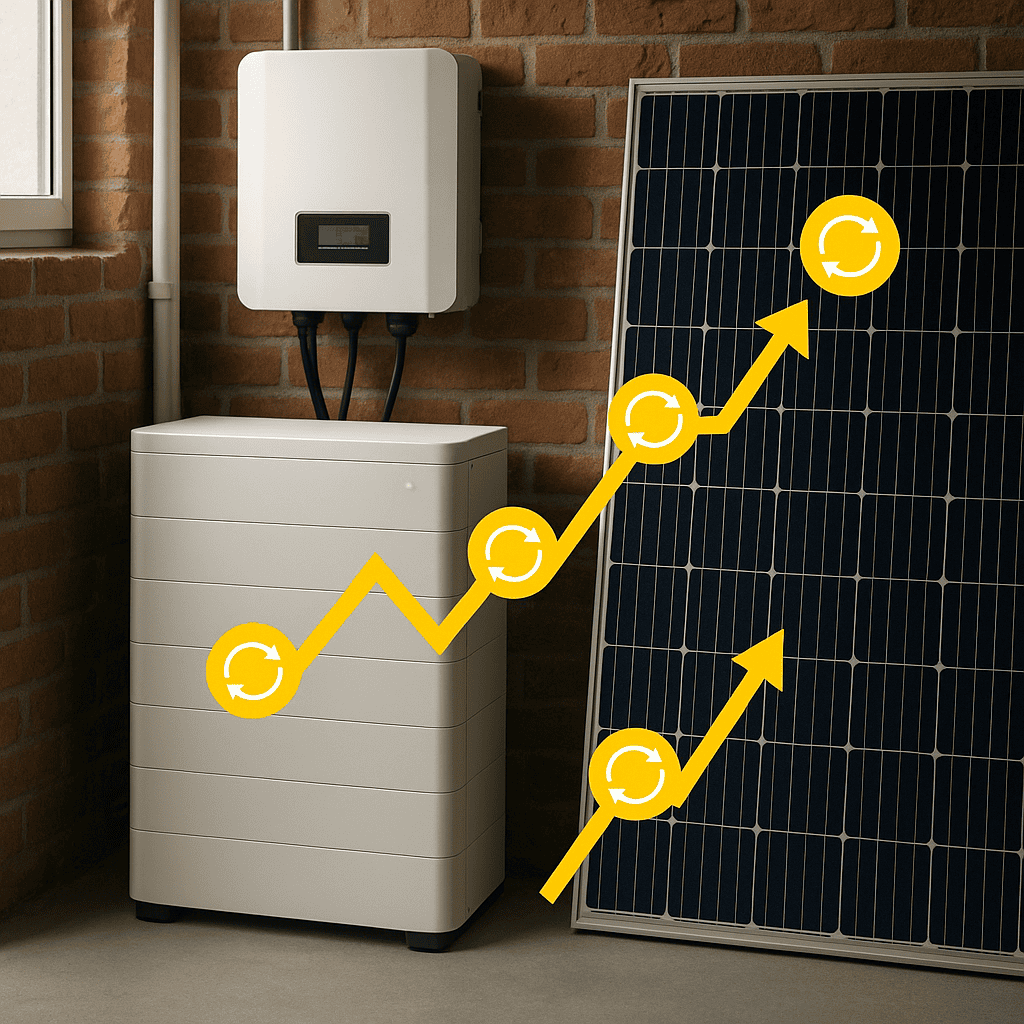
The cycle life of a solar battery determines how long it will efficiently store and release energy. A battery with a higher cycle life can handle more charge-discharge cycles, which translates to a longer operational lifespan. This longevity means fewer replacements over time, directly affecting the overall cost of the system. When evaluating solar batteries, considering the cycle life allows you to predict future expenses more accurately.
Investing in a battery with a higher cycle life may involve a higher initial cost, but it often results in reduced long-term expenses. Fewer replacements mean lower maintenance costs, and the extended lifespan ensures consistent performance, which can lead to greater energy savings over time. This makes a high cycle life battery a cost-effective choice in the long run, particularly in applications where reliability and efficiency are paramount.
Additionally, a longer cycle life contributes to the environmental benefits of solar power by reducing waste and resource consumption associated with frequent battery replacements. By selecting a battery that balances cost with durability and performance, you can significantly enhance the economic and ecological value of your solar energy system. This approach not only optimises financial savings but also supports sustainable energy practices.