
How does battery recycling impact the overall cost of solar energy systems?
The recycling of batteries plays a pivotal role in reducing the overall cost of solar energy systems. By reusing valuable materials found in old batteries, the need for costly raw materials is diminished, thereby lowering the production costs of new batteries. This, in turn, can lead to more affordable solar energy systems for consumers. Additionally, battery recycling promotes sustainability by reducing waste and conserving resources, aligning with the eco-friendly goals of solar energy.
Moreover, the recycling process contributes to job creation in the recycling industry, which can have a positive economic impact. As more batteries are recycled, the industry can expand, leading to further innovations in recycling technology and processes. This can result in even more efficient and cost-effective recycling methods, ultimately benefiting the solar energy sector both financially and environmentally.
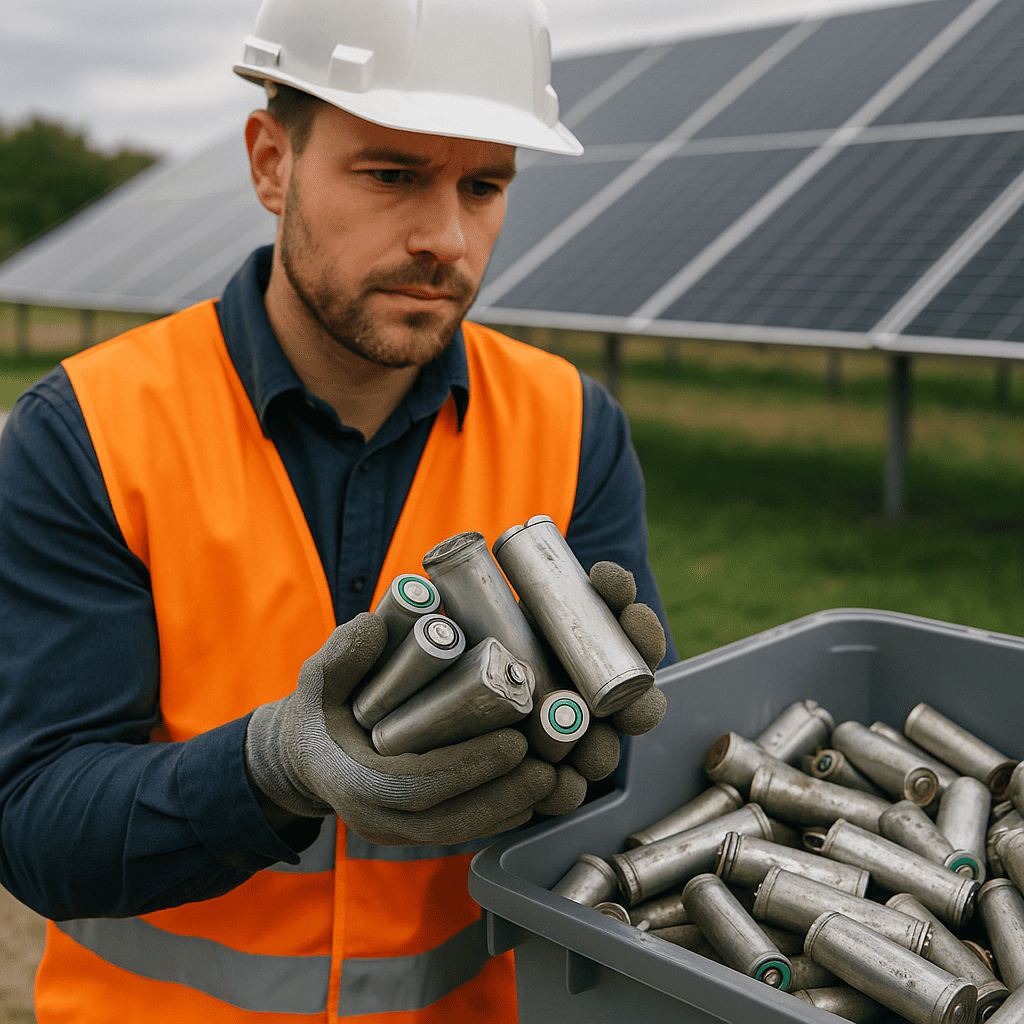
One of the main financial benefits of battery recycling is the reduction in manufacturing costs. By salvaging and reusing materials such as lithium, cobalt, and nickel, manufacturers can cut down on the expense of sourcing new materials. This cost-saving is often reflected in the price of solar energy systems, making them more accessible to a wider range of consumers.
Environmentally, battery recycling significantly reduces the amount of waste that ends up in landfills. This is crucial for maintaining the sustainability of solar energy, as it ensures that the environmental benefits of solar systems are not offset by waste from spent batteries. Recycling also lessens the environmental impact of mining for new materials, which can be both economically and ecologically costly.
Furthermore, as the technology and processes for battery recycling continue to evolve, we can expect increased efficiency in how batteries are recycled. This not only supports the solar energy industry’s sustainability goals but also fosters innovation that could lead to even greater reductions in costs and environmental impact over time.