
What are the key steps involved in solar thermal maintenance?
Solar thermal maintenance is essential to ensure that your system operates efficiently and has a long lifespan. Regular upkeep not only maximises energy output but also prevents potential issues that could lead to costly repairs. For those invested in sustainable energy solutions, understanding the maintenance process is crucial to reap the full benefits of solar thermal technology.
The key steps involved in solar thermal maintenance include routine inspections, cleaning, and system checks. By adhering to a systematic maintenance schedule, you can ensure that each component of the system functions optimally. This proactive approach helps in identifying any wear and tear early, allowing for timely interventions and ensuring the system remains in peak condition.
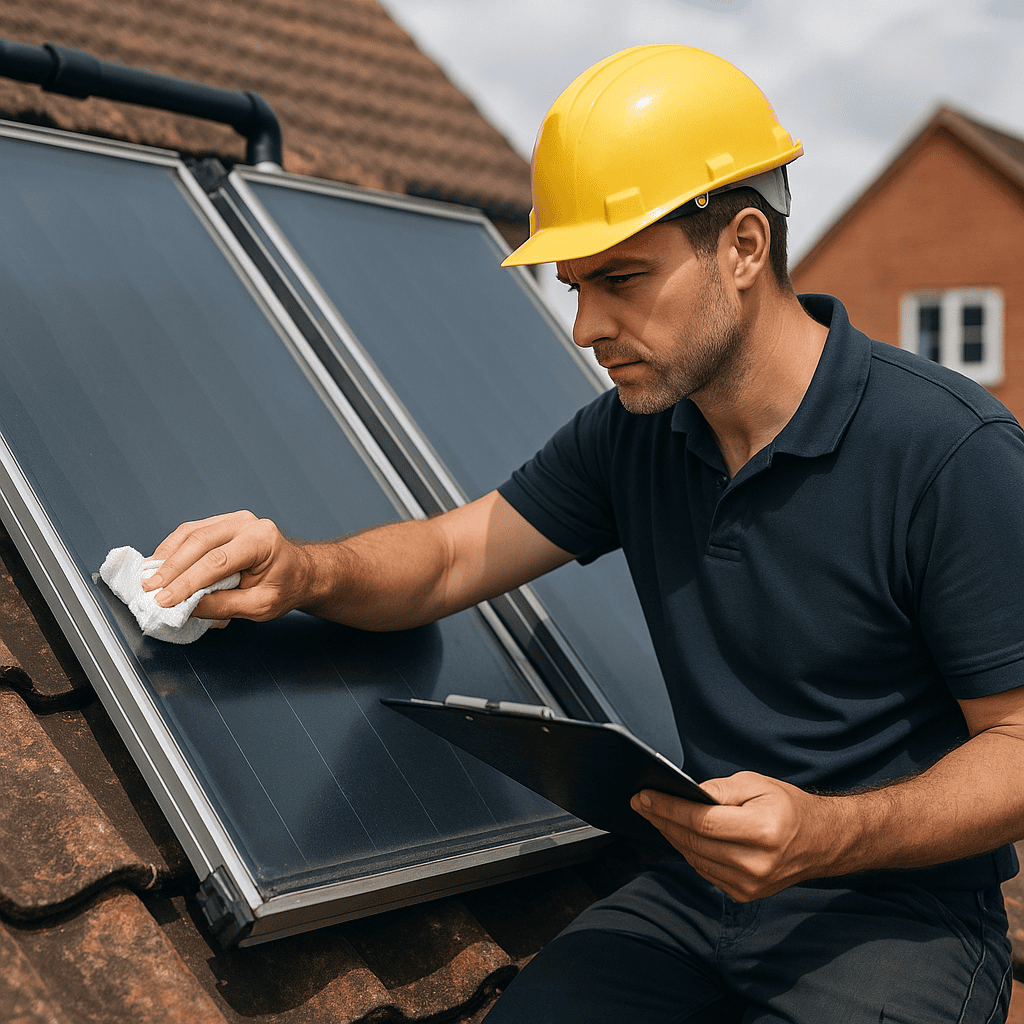
The first step in maintaining a solar thermal system is conducting regular inspections. This involves checking the system for any visible signs of damage, such as cracks or leaks in the collectors and connections. Inspections should be carried out at least once a year, preferably before peak usage periods, to ensure that everything is in working order.
Cleaning the solar collectors is another critical component of maintenance. Dust, dirt, and debris can accumulate on the surface, reducing the system’s efficiency. Depending on your location, cleaning might need to be done more frequently, especially in areas prone to heavy pollution or dust. Using soft brushes and mild detergents will help maintain the collectors without causing damage.
Finally, system checks are essential to ensure that all components, such as pumps and control units, are functioning correctly. These checks include verifying the fluid levels in the system, ensuring that the antifreeze solution is still effective, and testing the pressure levels. Regular system checks are vital for identifying any irregularities early, allowing for prompt corrective actions and ensuring the longevity of your solar thermal system.
