
How often should solar panels undergo maintenance for optimal performance?
Solar panels are a significant investment, and understanding their maintenance requirements is crucial for ensuring their longevity and efficiency. Typically, solar panels should undergo maintenance at least once a year. This regular upkeep helps in identifying potential issues early, ensuring that the panels operate at optimal efficiency and continue to provide the expected energy output.
Regular maintenance not only enhances the performance of your solar PV system but also extends its lifespan. During these maintenance checks, professionals can clean the panels, inspect for any damages, and ensure that all components are functioning correctly. By adhering to a routine maintenance schedule, you can ensure that your solar panels remain in top condition, providing you with clean energy for years to come.
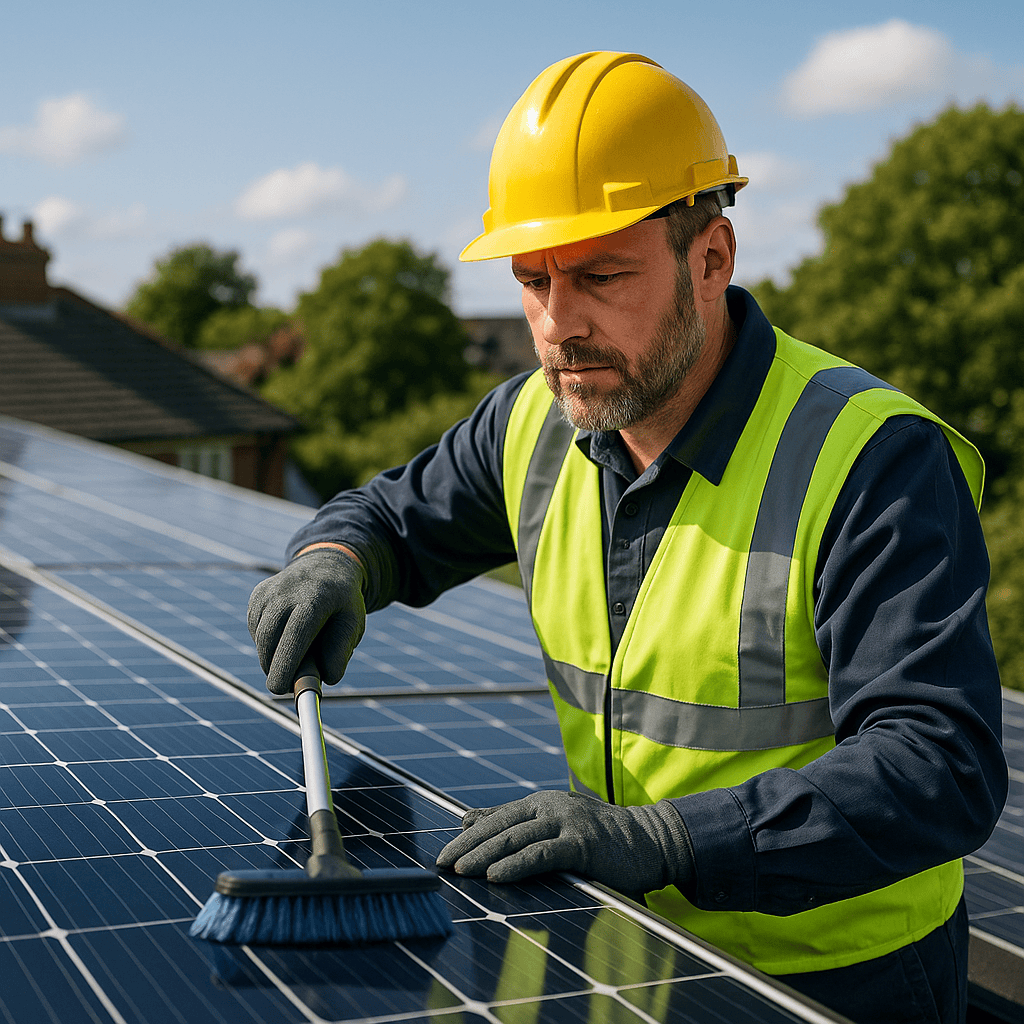
Annual maintenance is generally sufficient for most solar panel systems, but the frequency can vary depending on several factors. For instance, if your panels are located in an area with high levels of dust, pollen, or bird droppings, more frequent cleaning may be necessary to prevent a decrease in efficiency. Additionally, areas prone to severe weather conditions may require more frequent inspections to check for damage.
During a maintenance visit, a professional will typically clean the panels to remove any dirt or debris that might obstruct sunlight. They will also inspect the mounting and wiring for any signs of wear or damage. Ensuring that the inverter is functioning correctly is another critical aspect of maintenance, as this component is essential for converting the energy generated by the panels into usable electricity.
Overall, adhering to a regular maintenance schedule is vital for the optimal performance of your solar panels. By doing so, you can prevent minor issues from becoming major problems, ultimately protecting your investment and ensuring that your solar PV system continues to deliver clean, renewable energy efficiently.