
How often should solar panels be cleaned for optimal performance?
Solar panels are a significant investment and ensuring their optimal performance is crucial for maximising energy efficiency. While these systems are designed to be low-maintenance, regular cleaning is necessary to prevent dirt, dust, and debris from impacting their effectiveness. So, how often should you clean your solar panels to ensure they operate at peak performance?
Generally, it is recommended to clean solar panels at least twice a year. However, the frequency can vary depending on several factors such as your local climate, surrounding environment, and the angle of your panels. Monitoring their performance and visual inspections can also help determine when a cleaning is necessary.
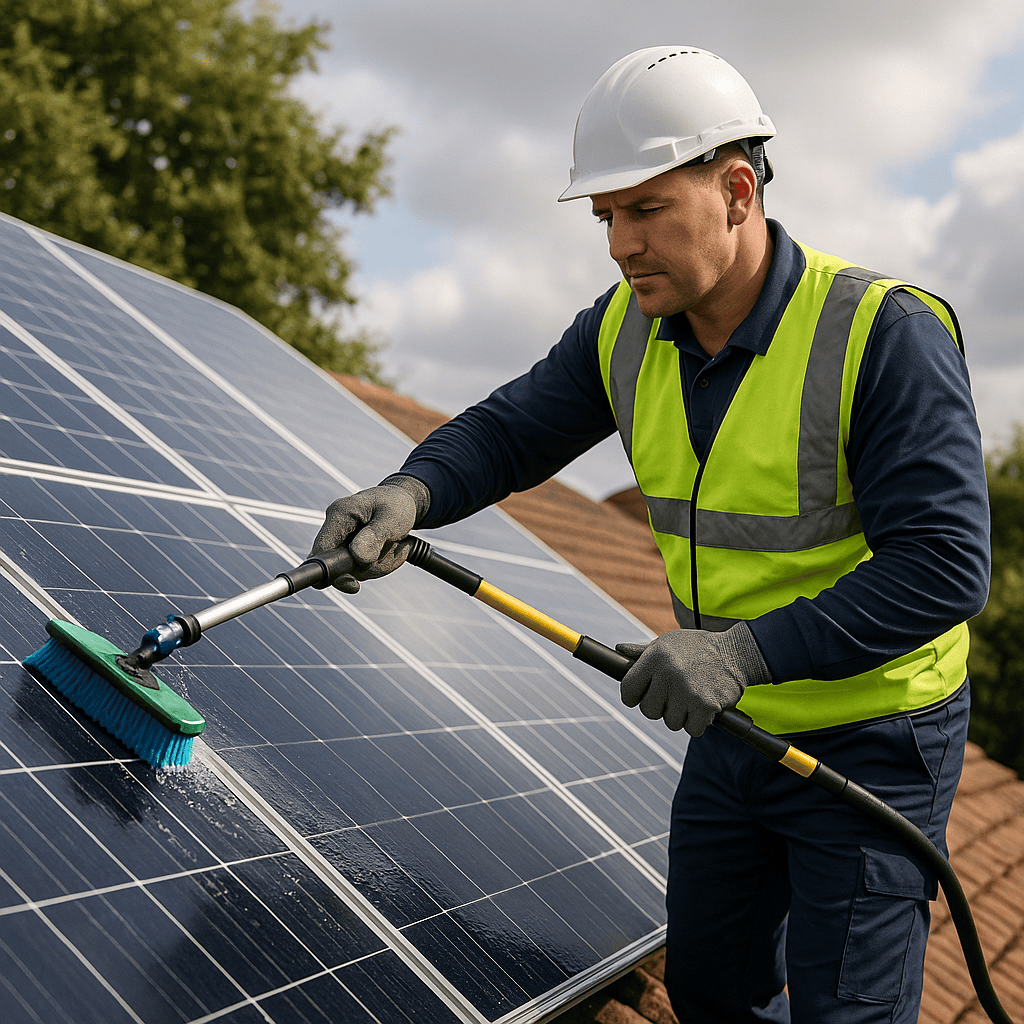
In areas with high levels of pollution, dust, or pollen, more frequent cleaning may be required to maintain efficiency. Similarly, if your solar panels are located near trees or in agricultural areas, they may accumulate debris more quickly and need cleaning every three to four months. Regular maintenance in such conditions can prevent significant energy loss.
Conversely, in regions with frequent rain, natural cleaning by rainfall might suffice, reducing the need for manual cleaning. However, it remains essential to periodically inspect the panels to ensure that rainwater is effectively removing all residues, especially bird droppings, which can be particularly stubborn.
Ultimately, the goal is to keep the panels as clean as possible to ensure they absorb maximum sunlight and generate optimal power. By paying attention to your specific environmental conditions and monitoring energy output, you can tailor the cleaning frequency to suit your needs, ensuring long-term efficiency and performance.