
What factors influence solar energy maintenance costs?
Solar energy maintenance costs are a crucial consideration for anyone investing in solar technology. While the initial installation of solar panels is a significant investment, understanding the factors influencing ongoing maintenance costs can help ensure long-term efficiency and savings. By identifying these key factors, you can better prepare for and manage expenses associated with keeping your solar energy system in optimal condition.
Several elements can impact the maintenance costs of solar energy systems. These include the size and complexity of the system, the quality of installation, and the local environmental conditions. Routine maintenance, though generally minimal, is essential to maximise performance and longevity, ensuring that your investment continues to yield benefits over time.
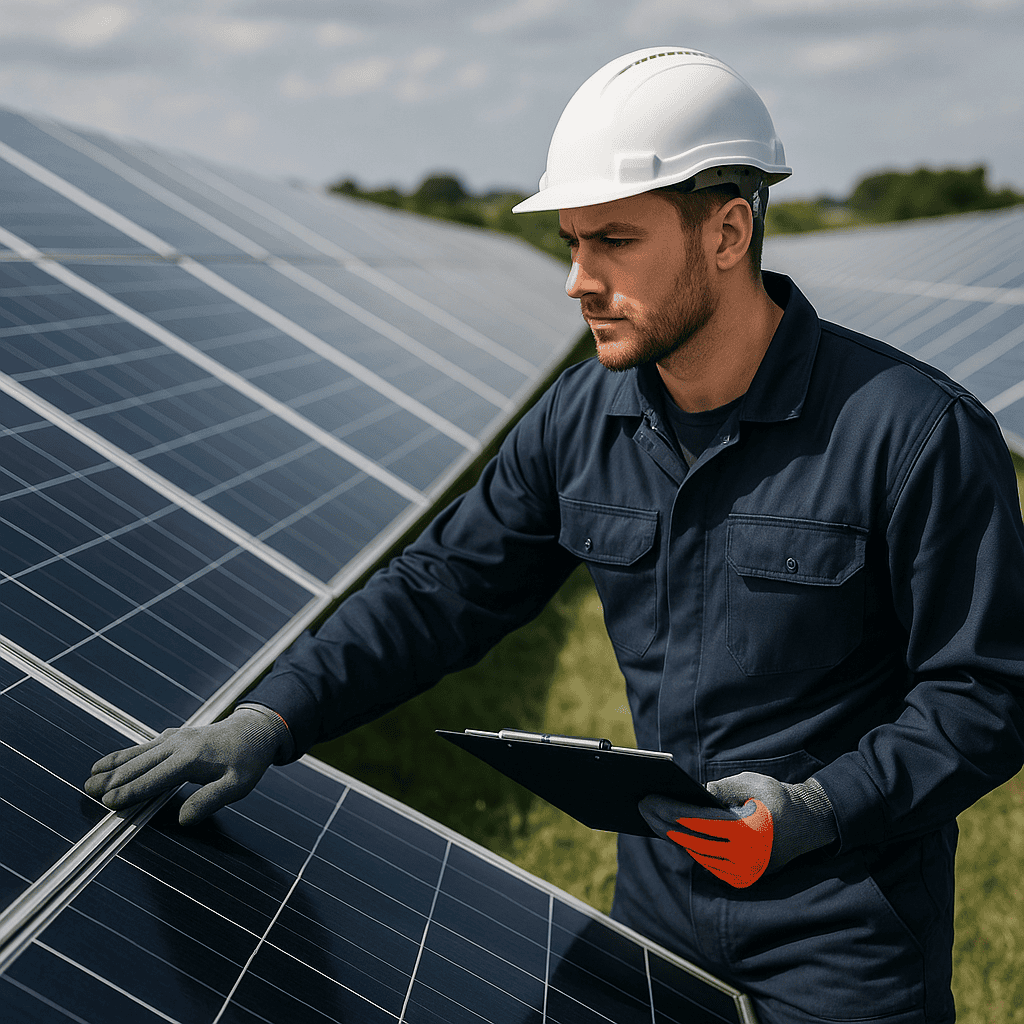
The size and complexity of a solar energy system are primary factors affecting maintenance costs. Larger systems with more panels and components typically require more frequent inspections and servicing, which can lead to higher maintenance expenses. Additionally, systems with advanced features such as tracking mounts or integrated battery storage may require specialised attention, further influencing costs.
Another significant factor is the quality of the initial installation. A well-installed system is less likely to encounter issues that necessitate costly repairs. Choosing high-quality components and ensuring they are correctly installed can reduce the likelihood of faults and extend the system’s lifespan, ultimately lowering maintenance expenses over time.
Environmental conditions also play a role in determining maintenance costs. Systems located in areas with high levels of dust, debris, or extreme weather conditions may require more frequent cleaning and inspections to maintain efficiency. Regular maintenance checks are essential to address potential issues early and ensure the system operates at peak performance, thus safeguarding your investment.