
What should I do if my solar panels are not producing energy?
If you find that your solar panels are not producing energy, it’s essential to address the issue promptly to ensure optimal performance. Solar panels are designed to be reliable and efficient, but like any technology, they can occasionally encounter problems. Whether you’re experiencing a complete lack of energy production or a noticeable drop in output, there are several steps you can take to identify and resolve the issue.
Begin by checking the most straightforward aspects, such as ensuring your system is switched on and that there are no obvious obstructions like dirt or debris on the panels. If these initial checks do not resolve the problem, it may be time to delve deeper into potential causes, which could range from technical malfunctions to issues with the inverter or wiring. Seeking professional assistance can provide you with peace of mind and ensure your solar panels are restored to full functionality.
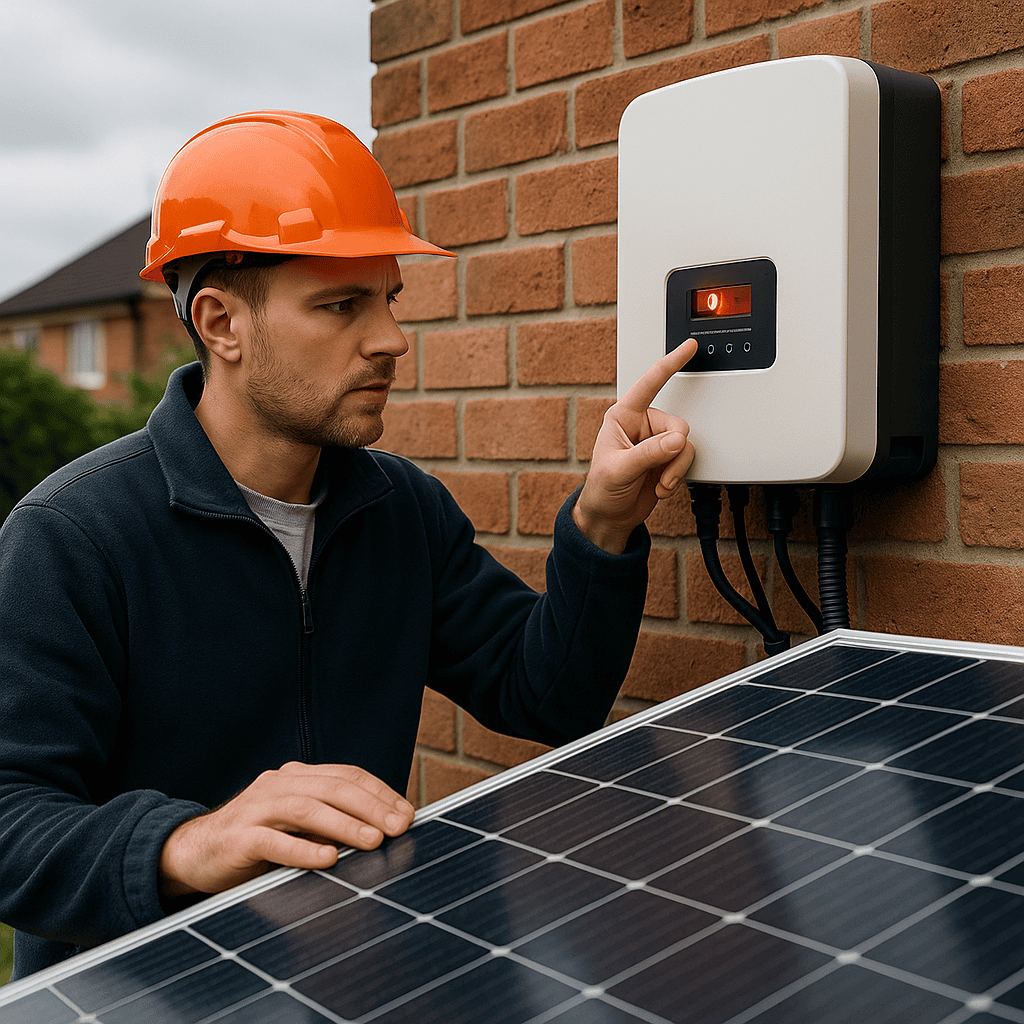
Firstly, examine the solar inverter, as it plays a crucial role in converting the energy your panels collect into usable electricity. An error message or indicator light on the inverter could reveal the problem. If you are unsure how to interpret these signals, consulting the inverter’s manual or seeking professional advice is advisable.
Secondly, inspect the panels themselves for any visible damage. Cracks, scratches, or other signs of wear and tear may impact their efficiency. If physical damage is apparent, it is best to contact a qualified technician to assess and repair the panels safely. Regular maintenance and cleaning can prevent such issues from occurring in the future.
Finally, consider external factors that might be affecting energy production. Weather conditions, shading from growing trees, or new structures could all impact the amount of sunlight reaching the panels. Addressing these factors, whether by trimming trees or adjusting the position of the panels, can significantly enhance their energy generation capabilities.
