
How often should PV testers be calibrated to ensure reliable inspection results?
Calibrating photovoltaic (PV) testers is essential to ensure the accuracy and reliability of inspection results. The frequency of calibration can significantly impact the effectiveness of maintenance activities and the overall performance of solar installations. Generally, it is recommended that PV testers be calibrated at least once a year. However, the specific interval may vary depending on the manufacturer’s guidelines, the usage intensity, and the environmental conditions in which the equipment is used.
Regular calibration is crucial because it helps identify any discrepancies or drifts in measurement accuracy that could lead to incorrect assessments. By adhering to a consistent calibration schedule, you can maintain the integrity of your inspection results, ultimately ensuring the optimal performance and safety of your solar power systems.
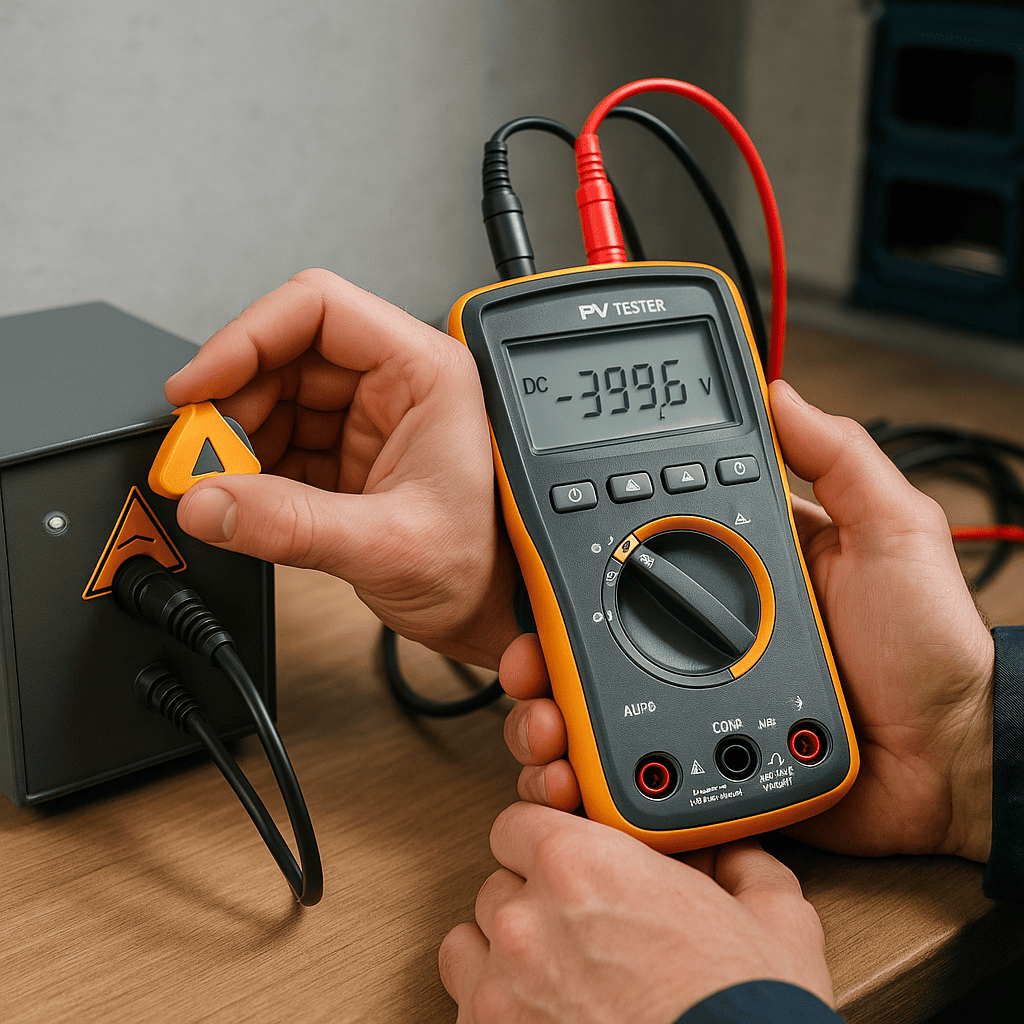
The primary reason for regular calibration of PV testers is to maintain the precision of their measurements. Over time, even the most robust testing equipment can experience changes in sensitivity or accuracy due to factors such as temperature fluctuations, mechanical wear, and electronic component ageing. By calibrating your testers at least annually, you can mitigate these risks and ensure that your data remains trustworthy.
In addition to annual calibration, it is advisable to perform checks whenever the equipment has been subjected to extreme conditions or heavy usage. For instance, if a tester is used extensively in harsh environments or has been dropped or damaged, an immediate recalibration might be necessary. This approach helps in catching any potential issues early, thereby preventing inaccurate inspections and ensuring continued reliability.
Ultimately, the decision on calibration frequency should be informed by both manufacturer recommendations and your own operational needs. Consulting the user manual and considering the specific conditions under which your PV testers are used will provide a tailored approach to maintaining their accuracy. Regular calibration not only contributes to reliable inspection results but also extends the lifespan of your testing equipment.