
How do solar installations impact the sustainability initiatives of retail parks?
Solar installations significantly bolster the sustainability initiatives of retail parks by reducing their carbon footprint and enhancing energy efficiency. By harnessing the power of the sun, retail parks can generate clean, renewable energy, thus decreasing reliance on fossil fuels and lowering greenhouse gas emissions. This transition not only supports environmental goals but also aligns retail parks with modern sustainability standards, appealing to eco-conscious consumers.
Moreover, solar installations offer financial benefits that further incentivise sustainable practices. Energy costs are a major concern for retail parks, and solar power can substantially reduce these expenses over time. The initial investment in solar technology is often offset by long-term savings, making it a financially prudent choice. Additionally, adopting solar energy can enhance a retail park’s reputation as a leader in sustainability, attracting both tenants and customers who value environmental responsibility.
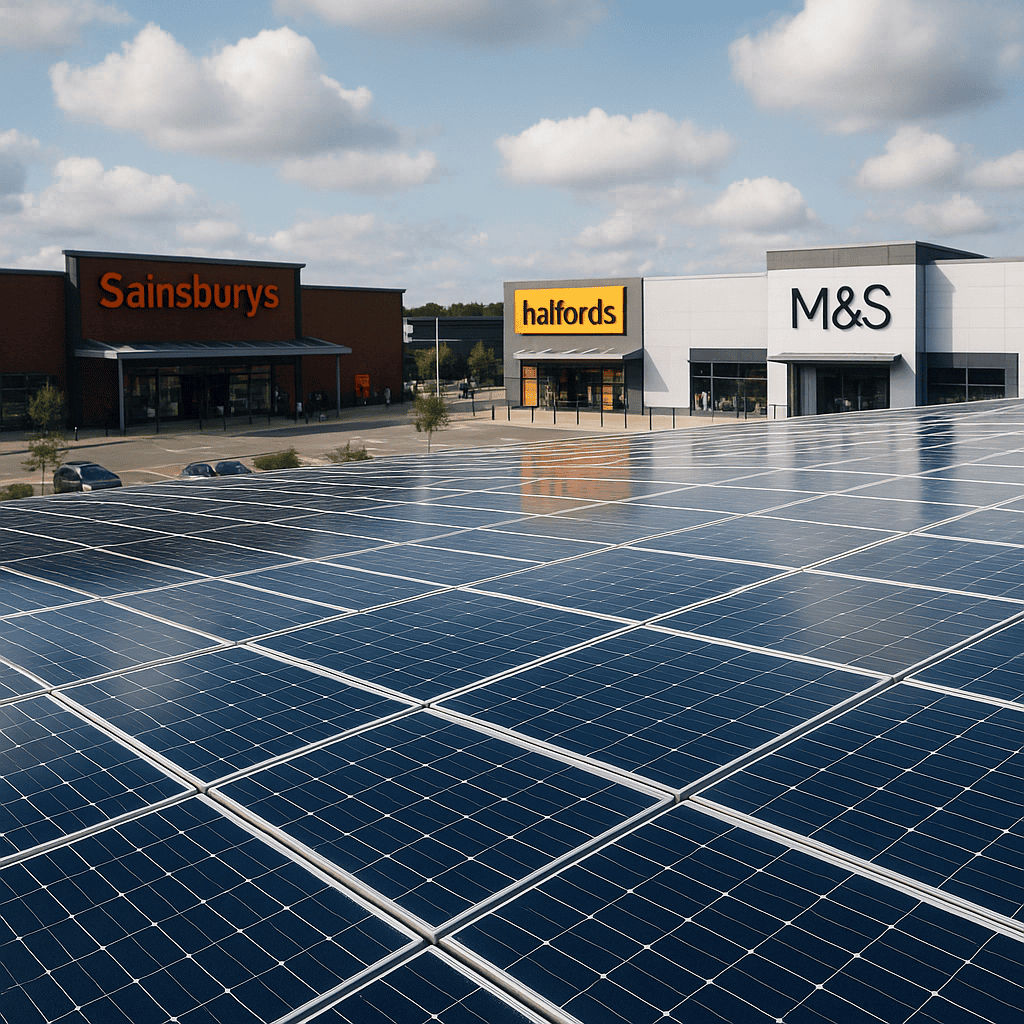
Solar installations contribute significantly to the sustainability efforts of retail parks by providing a reliable and clean source of energy. This shift to solar power aids in reducing the overall carbon emissions associated with traditional energy sources, thus playing a crucial role in mitigating climate change. By integrating solar panels into their infrastructure, retail parks can showcase their commitment to environmental stewardship and responsible energy consumption.
Furthermore, the installation of solar panels can lead to substantial cost savings. Retail parks often consume large amounts of electricity due to the size and nature of their operations. Solar energy can help offset these costs, providing a more predictable and stable energy expenditure. Over time, the savings on energy bills can be reinvested into further sustainability initiatives, creating a positive cycle of environmental and economic benefits.
Lastly, solar installations can enhance the public image of retail parks, positioning them as forward-thinking and environmentally responsible entities. This can attract a demographic of consumers and businesses who prioritise sustainability, potentially increasing foot traffic and tenancy rates. Retail parks that invest in solar energy not only contribute to global sustainability efforts but also gain a competitive edge in the market.