
What are the most effective solar technologies for municipal use?
Municipalities across the UK are increasingly turning to solar technologies to enhance energy efficiency and sustainability within their communities. These technologies offer a reliable and environmentally friendly means of reducing carbon footprints while also providing significant cost savings over time. Understanding which solar solutions are most effective for municipal use is essential to maximising these benefits.
Councils need to consider various factors, such as scalability, efficiency, and maintenance, when selecting solar technologies. Photovoltaic (PV) panels, solar thermal systems, and solar-powered street lighting are among the leading solutions that offer substantial advantages for municipal applications. By carefully evaluating these technologies, municipalities can implement the most suitable solutions to meet their specific energy needs.
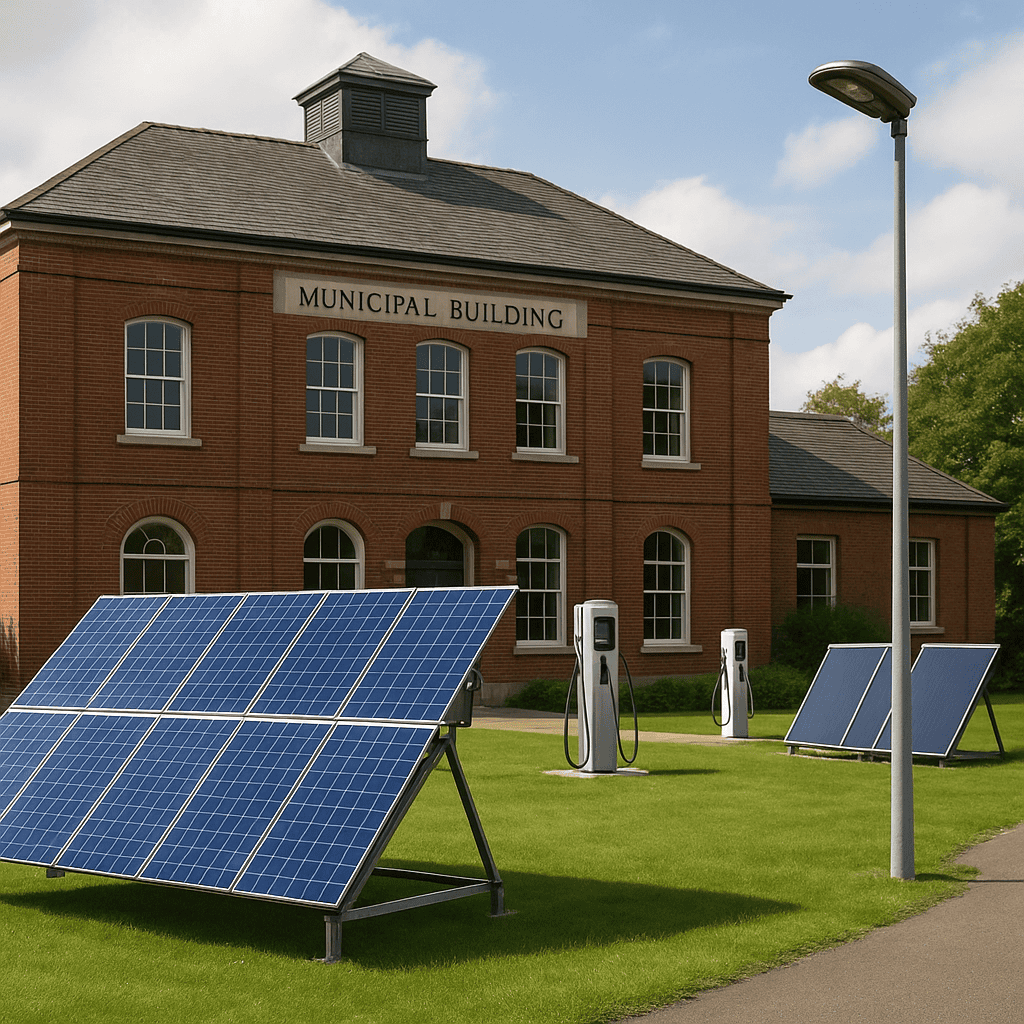
One of the most effective solar technologies for municipal use is photovoltaic (PV) panels. These panels convert sunlight directly into electricity, making them a versatile option for various applications, from powering public buildings to supporting electric vehicle charging stations. Their scalability allows councils to tailor installations to fit different energy requirements and budgets.
Solar thermal systems are another valuable technology, particularly for heating applications. These systems capture sunlight to generate heat, which can be used for water heating in public facilities or district heating networks. By reducing reliance on fossil fuels, solar thermal systems contribute significantly to lowering municipal carbon emissions.
Additionally, solar-powered street lighting offers an innovative solution for enhancing public safety and reducing energy costs. These systems harness solar energy during the day to power LED lights at night, providing reliable illumination without the need for extensive electrical infrastructure. This not only reduces energy consumption but also minimises maintenance requirements, making it an ideal choice for municipalities looking to improve sustainability.