
What types of land are most suitable for large scale solar energy systems?
When considering the installation of large-scale solar energy systems, the type of land chosen plays a pivotal role in the project’s success. Generally, flat, expansive areas with minimal shading are ideal for solar farms, as they maximise sunlight exposure throughout the day. The suitability of land is not only determined by its physical characteristics but also by its location and accessibility, which can influence both installation and maintenance costs.
In addition to flat terrains, lands that are otherwise deemed less valuable for agriculture or development, such as brownfields or abandoned industrial sites, can be repurposed for solar energy production. These areas often provide a win-win situation, allowing for the generation of renewable energy while revitalising underutilised land. Such considerations ensure that solar projects are both economically viable and environmentally sustainable.
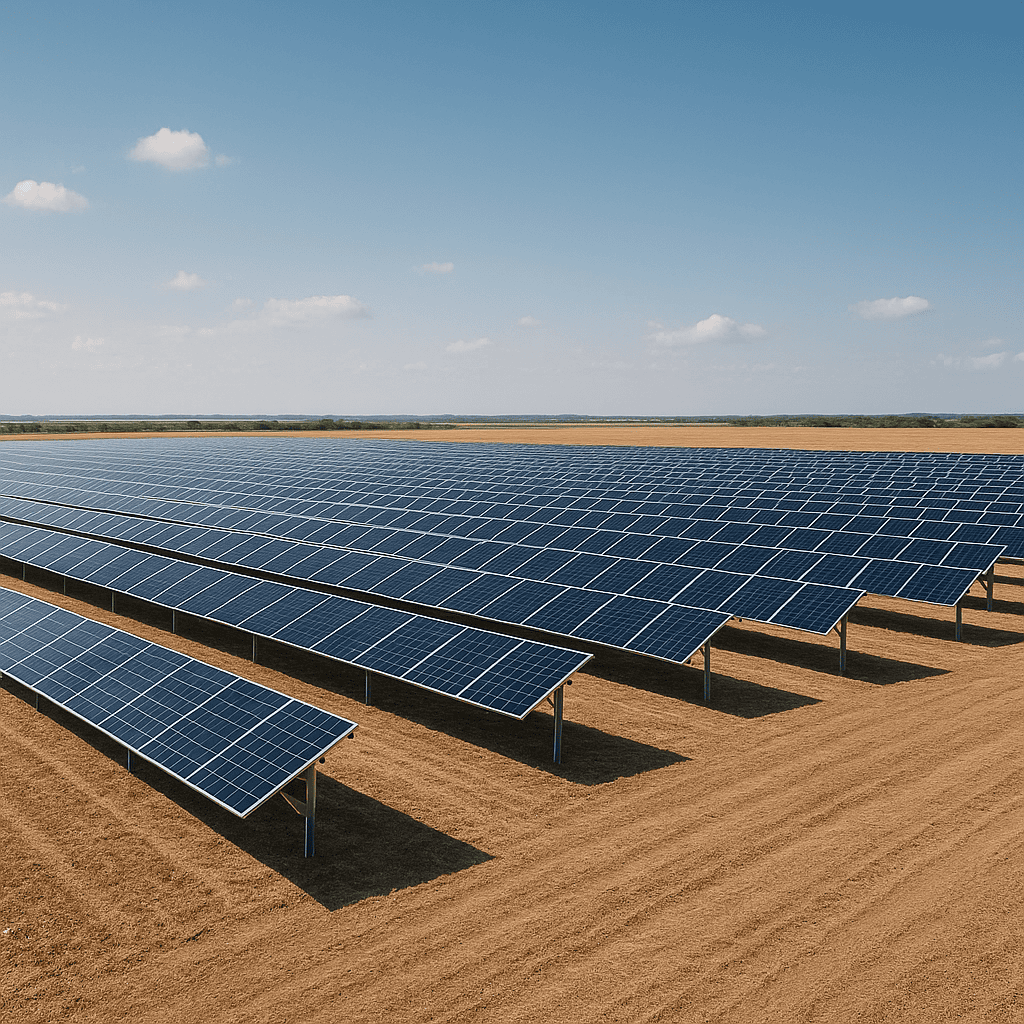
One of the most suitable types of land for large-scale solar energy systems are flat and open fields. These areas allow for optimal placement of solar panels, ensuring maximum exposure to sunlight. The absence of natural obstructions such as trees or hills is crucial, as shading can significantly reduce the efficiency of solar panels. Additionally, flat land reduces the complexity and cost of installation, making it a practical choice for large projects.
Brownfields and other previously developed sites offer another viable option for solar installations. These lands, often left unused due to contamination or previous industrial use, can be revitalised for solar energy projects. Utilising such sites not only helps in land rehabilitation but also reduces the pressure on agricultural and pristine lands. This approach aligns with sustainable development goals by promoting the efficient use of available resources.
Furthermore, arid and semi-arid regions can be considered ideal for solar farms due to their high solar insolation levels. These areas often have vast expanses of unused land, and the dry climate minimises the risk of shading from vegetation. By choosing these types of land, solar energy systems can be established in a manner that balances energy production needs with environmental considerations, contributing to a more sustainable future.