
What are the curtailment and export limits for large-scale commercial solar projects?
Curtailment and export limits are critical considerations for large-scale commercial solar projects. Curtailment refers to the reduction of power output from a solar installation, often due to grid constraints or overproduction, ensuring the stability of the electrical grid. Export limits, on the other hand, define the maximum amount of electricity that can be sent back to the grid from a solar project. Understanding these parameters is essential for optimising the performance and economic viability of solar installations.
For ground-mounted solar systems, these limits are especially pertinent as they are often larger in scale and have a greater potential impact on the grid. Navigating the intricacies of curtailment and export limits can help project developers and operators maximise efficiency and align with regulatory requirements. By comprehending these factors, stakeholders can make informed decisions that enhance the sustainability and profitability of their solar investments.
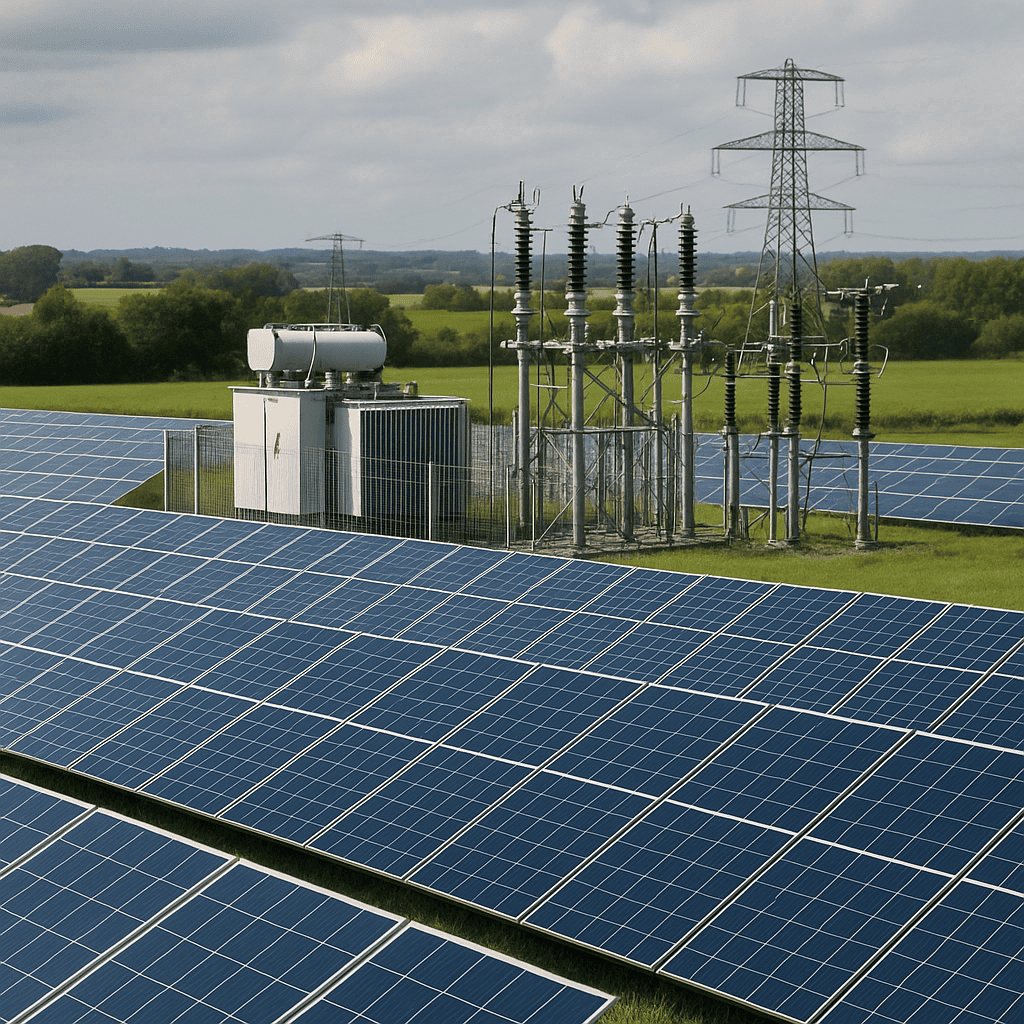
Curtailment in large-scale commercial solar projects typically occurs when the electricity generated exceeds the grid’s capacity to absorb it. This can happen during periods of low demand or when the grid is already saturated with energy. To mitigate this, solar operators must work closely with grid operators to forecast demand accurately and adjust production accordingly. Implementing advanced energy management systems can also help in reducing curtailment, ensuring that solar projects operate within optimal parameters.
Export limits are set by grid operators to maintain grid stability and prevent overloads. These limits are determined based on the capacity of the local grid to handle additional energy inputs. For commercial solar projects, adhering to export limits is crucial to avoid penalties and ensure compliance with grid regulations. By understanding and planning for these limits, solar project operators can better manage their energy production and distribution strategies.
For ground-mounted systems, which often have higher outputs, the implications of curtailment and export limits are even more significant. Project developers must consider these factors from the initial planning stages, incorporating technologies like battery storage to store excess energy and reduce curtailment. By doing so, they can enhance the reliability of their solar projects and contribute positively to the overall energy mix, supporting a more resilient and sustainable energy future.