
How do curtailment policies affect the profitability of ground mount solar installations?
Curtailment policies are an essential consideration for ground mount solar installations, as they directly impact the amount of electricity that can be exported to the grid. These policies, often implemented to maintain grid stability, can limit the profitability of solar projects by restricting the amount of energy that can be sold. Understanding the implications of curtailment is crucial for investors and operators to maximise returns on their solar investments.
The effect of curtailment on profitability can vary significantly depending on the specific terms of the policy and the local grid infrastructure. In some regions, high levels of curtailment may lead to significant financial losses, whereas in others, the impact may be minimal. By gaining a comprehensive understanding of curtailment policies, stakeholders can better evaluate the potential profitability of ground mount solar installations.
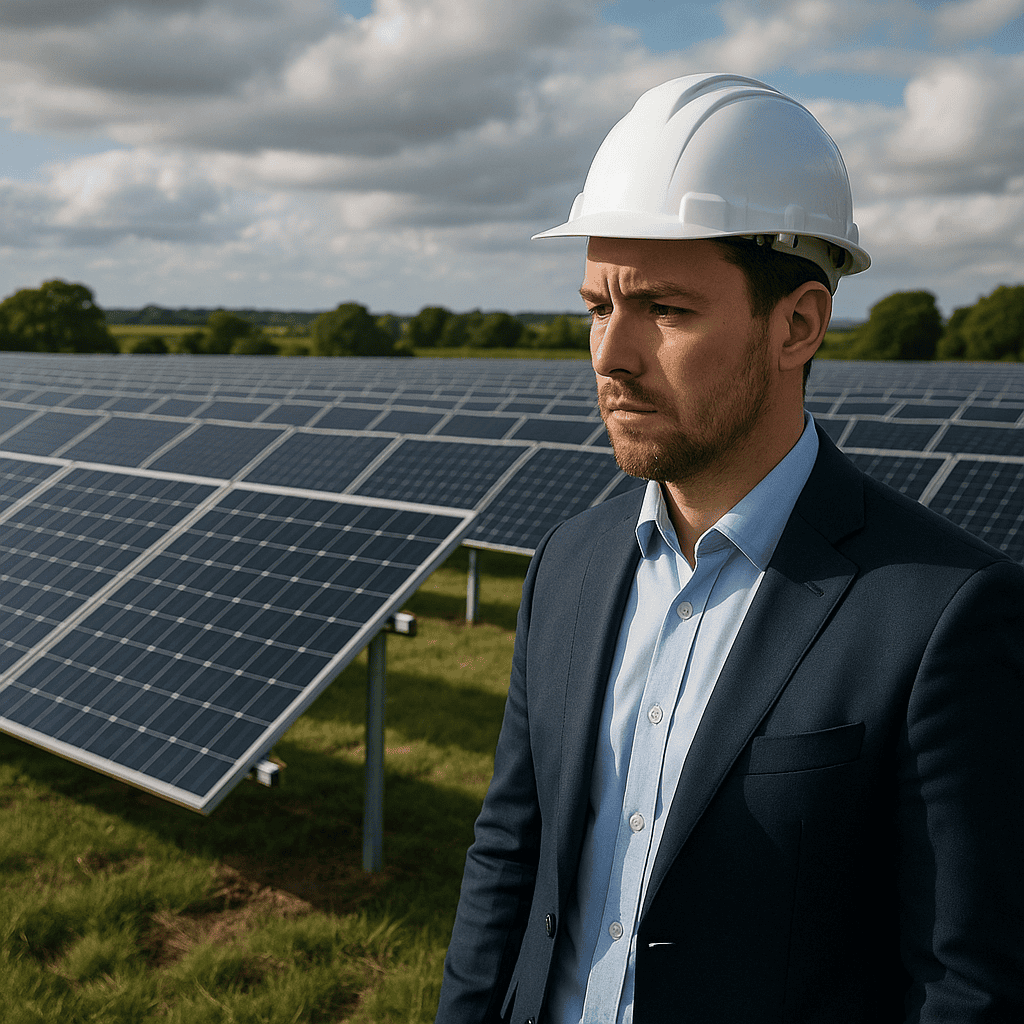
Curtailment policies are designed to balance the supply and demand of electricity on the grid, ensuring a stable and reliable energy supply. However, these policies can limit the export of electricity from solar installations, reducing potential revenue from energy sales. This limitation can be particularly challenging during peak production periods when solar installations generate the most electricity.
The financial impact of curtailment depends on the frequency and duration of these restrictions. In areas with frequent curtailment events, solar operators may experience reduced income, affecting the overall return on investment. Conversely, regions with infrequent curtailment may see minimal impact on profitability, allowing solar projects to operate more efficiently.
To mitigate the effects of curtailment, operators can explore strategies such as energy storage solutions or demand response programmes. These approaches can help maximise energy usage during peak production times, thereby enhancing profitability despite curtailment constraints. By carefully analysing and adapting to curtailment policies, solar investors can optimise their installations for better financial outcomes.