
How does battery storage impact the return on investment for commercial solar projects?
Battery storage can significantly influence the return on investment (ROI) for commercial solar projects. By storing excess energy produced during peak sunlight hours, businesses can utilise this power during periods of high demand or when solar generation is low, thus reducing reliance on the grid and lowering energy costs. This capability not only enhances energy efficiency but also maximises the financial benefits of a solar installation.
Moreover, battery storage enables businesses to participate in demand response programmes and take advantage of time-of-use rates, further improving their ROI. As energy markets evolve, the ability to store and manage energy effectively becomes increasingly valuable, making battery storage an attractive component of commercial solar strategies.
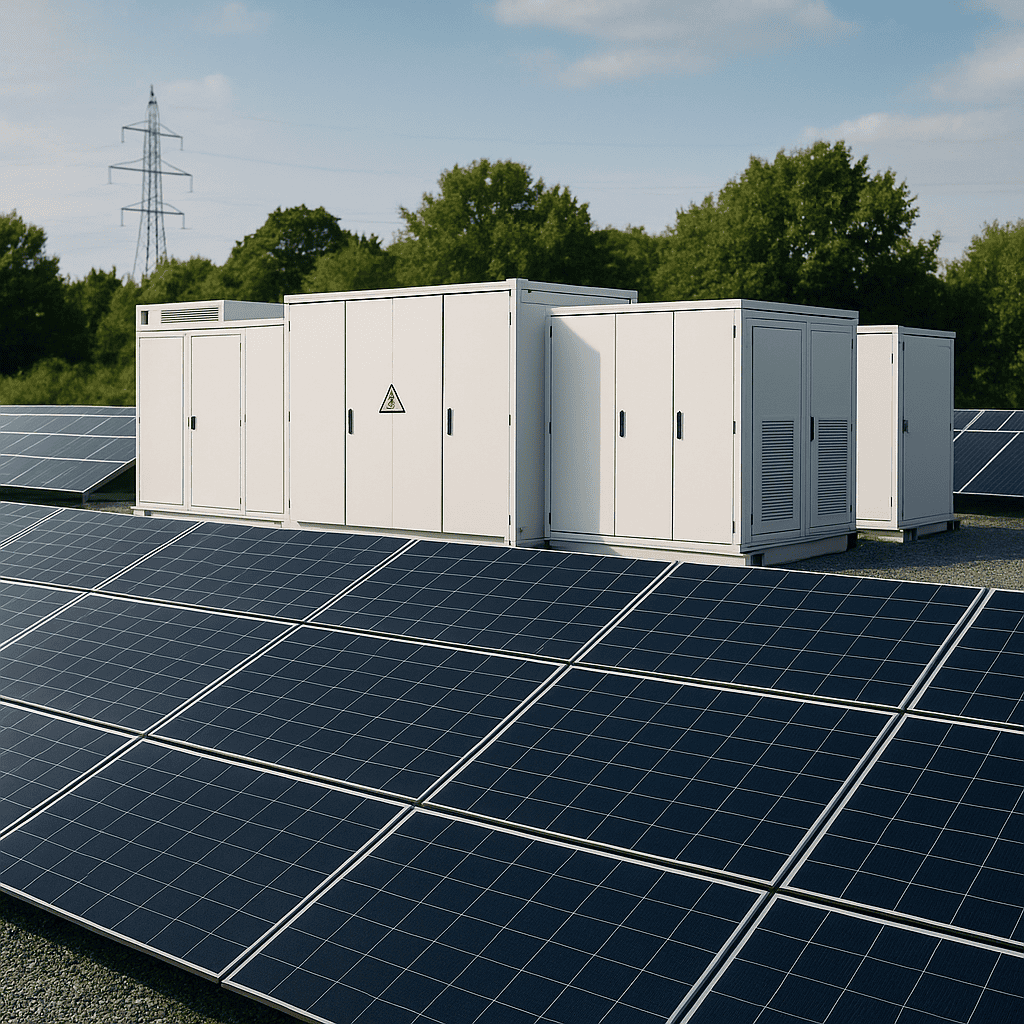
Firstly, battery storage enhances energy independence for commercial entities. By reducing reliance on the grid, businesses can shield themselves from fluctuating energy prices and potential supply disruptions. This stability translates into more predictable energy costs, which is crucial for long-term financial planning and improving ROI.
Secondly, the integration of battery storage can lead to additional revenue streams. Businesses can sell excess stored energy back to the grid during peak demand periods, capitalising on higher electricity prices. This not only helps in recouping the initial investment faster but also turns the solar installation into a more profitable venture over time.
Lastly, battery storage systems can extend the lifespan and efficiency of solar projects. By balancing the load and reducing stress on the solar panels and inverters, these systems ensure that the solar installation operates optimally for a longer period. This not only maximises energy production but also enhances the overall return on investment by reducing maintenance and replacement costs.