
What are the benefits of solar powered EV hubs for commercial fleets?
The integration of solar powered EV hubs for commercial fleets offers a myriad of benefits, aligning with the growing commitment to sustainability and energy efficiency. These hubs provide a reliable and renewable energy source, reducing dependency on traditional fossil fuels and consequently lowering carbon emissions. Such a shift not only supports environmental goals but also enhances brand reputation by demonstrating a commitment to green initiatives.
Moreover, solar powered EV hubs can significantly reduce operational costs over time. By harnessing solar energy, businesses can decrease electricity expenses associated with charging vehicles, leading to substantial financial savings. This cost-effectiveness, combined with the environmental benefits, makes solar powered EV hubs an attractive and sustainable choice for commercial fleets.
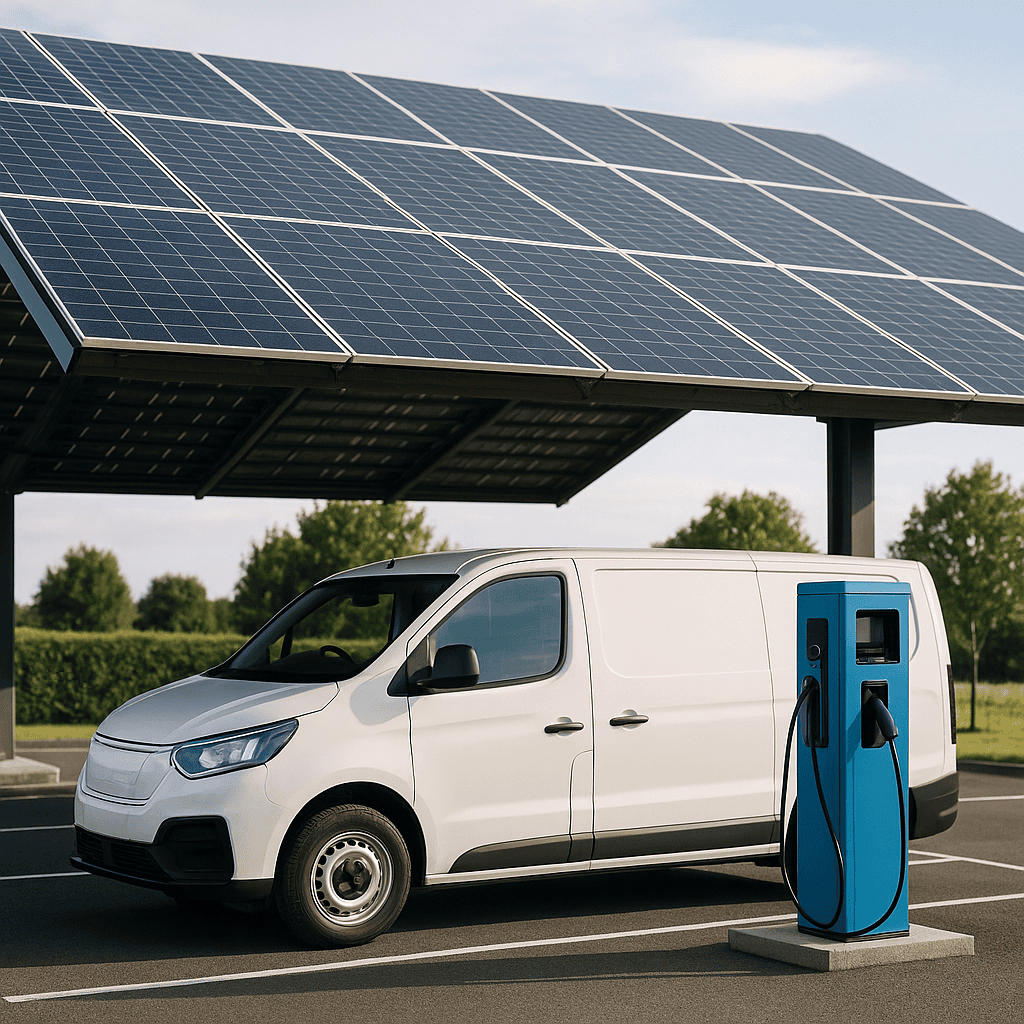
One of the primary benefits of solar powered EV hubs is their ability to offer energy independence. By utilising solar panels, these hubs can generate their own electricity on-site, reducing reliance on the grid and providing a stable energy supply. This independence is particularly advantageous in areas prone to power outages or where grid energy costs are high, ensuring that fleet operations remain uninterrupted.
Furthermore, solar powered EV hubs contribute to long-term cost savings. The initial investment in solar infrastructure can be offset by the reduction in electricity costs over time. With the constant rise in energy prices, solar power becomes an economically viable option, offering predictable and lower energy expenses for fleet operators. This financial predictability allows businesses to allocate resources more efficiently.
In addition to the economic and environmental advantages, solar powered EV hubs also support the broader adoption of electric vehicles. By facilitating easier and more sustainable charging solutions, they encourage fleet operators to transition towards electric vehicles, further reducing carbon footprints and fostering a cleaner, greener future.
