
What factors should businesses consider when installing solar EV charging stations?
As businesses increasingly turn towards sustainable solutions, installing solar EV charging stations emerges as a strategic choice. The integration of solar energy not only reduces carbon footprints but also offers long-term financial benefits. However, the decision to install such systems requires careful consideration of various factors to ensure effectiveness and efficiency.
One of the foremost considerations is the initial investment and potential return on investment. Businesses must evaluate the cost of installation against the anticipated savings on energy expenditure. Additionally, understanding the energy demands of the fleet and the capacity of the solar panels is crucial. This ensures that the charging stations can meet the energy requirements without overburdening the system.
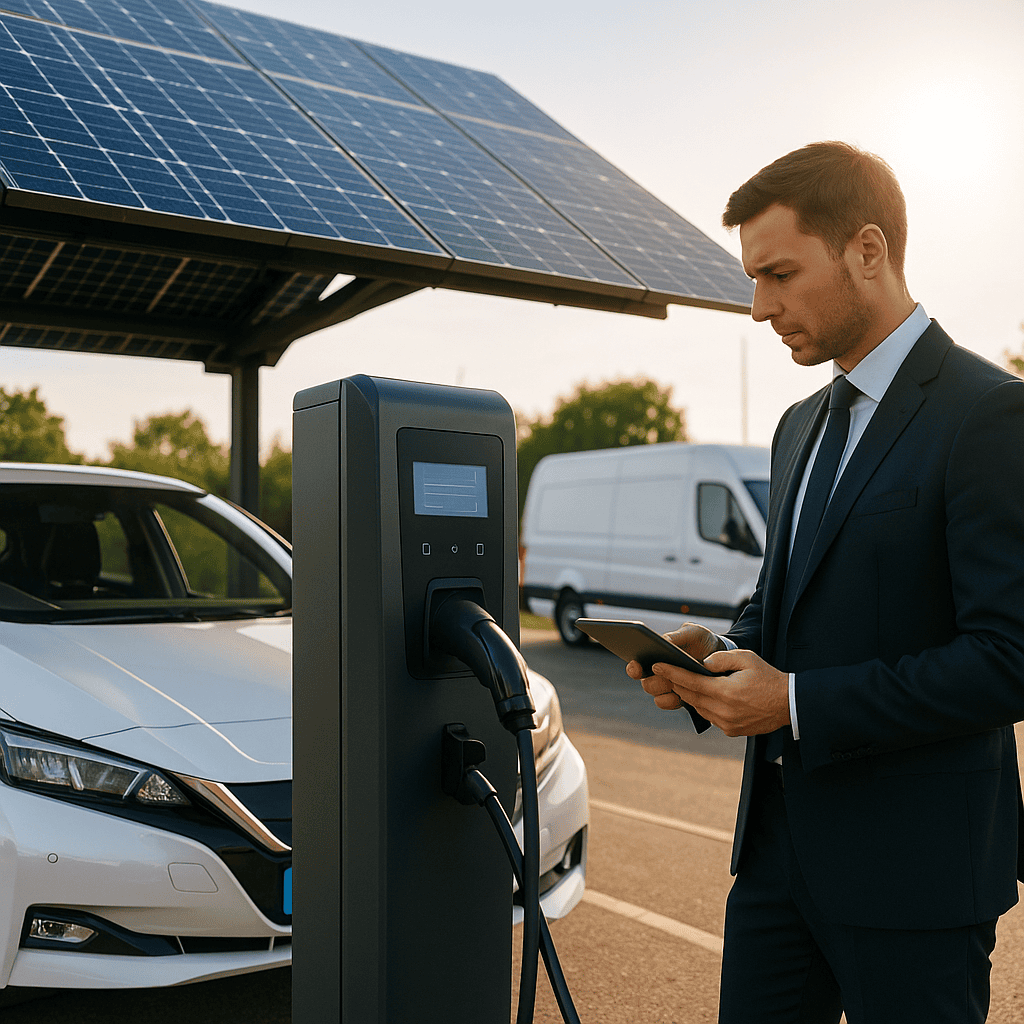
Location plays a pivotal role in the effectiveness of solar EV charging stations. Businesses should consider areas with maximum sun exposure to harness optimal solar energy. Furthermore, ensuring that the location allows for easy access and convenience for fleet vehicles is essential for operational efficiency.
The technological compatibility of the charging stations with existing fleet vehicles is another critical factor. It is important to select charging solutions that are compatible with the current and future vehicle models to avoid unnecessary upgrades or replacements. Additionally, integrating smart technology can enhance the management and monitoring of energy consumption.
Finally, regulatory compliance and incentives should not be overlooked. Understanding local regulations and potential incentives can significantly impact the financial viability of the project. Businesses should explore grants, tax credits, or subsidies that may be available for renewable energy initiatives, which can offset initial costs and improve the overall investment appeal.