
What is load balancing in the context of EV charging and how does it work?
Load balancing in the context of EV (Electric Vehicle) charging refers to the strategic distribution of electrical power across multiple charging stations to prevent overloading the electrical grid. By optimising the allocation of electricity, load balancing ensures that all connected vehicles receive adequate charging without exceeding the capacity of the power supply. This method is crucial for maintaining the efficiency and reliability of charging infrastructure, especially as the number of EVs on the roads continues to rise.
In practical terms, load balancing enables the simultaneous charging of several vehicles by intelligently managing the available electrical load. This ensures that peak demand does not overwhelm the system, reducing the risk of power outages and enhancing the sustainability of fleet operations. By efficiently distributing energy, load balancing not only supports the growing demand for EV charging but also contributes to a more sustainable and environmentally friendly transportation network.
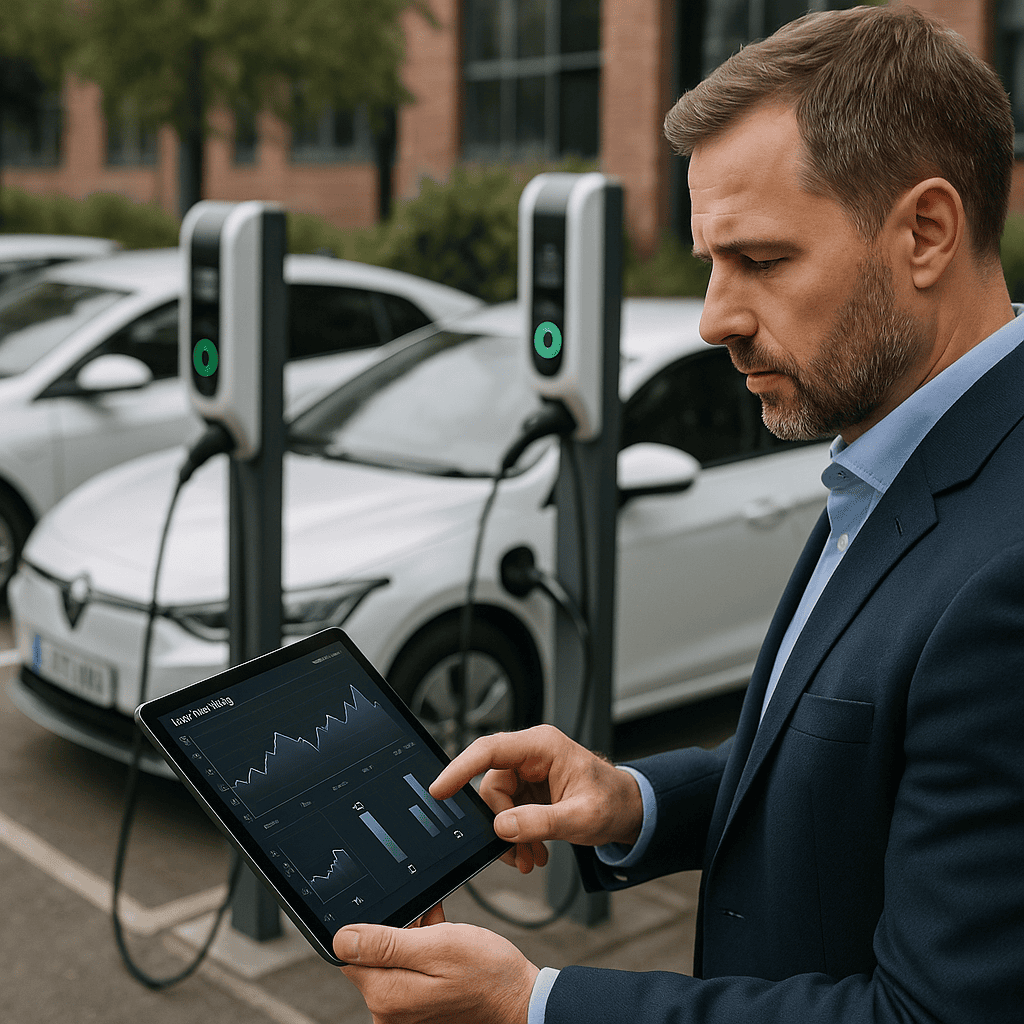
Load balancing works by employing a system that monitors and controls the electrical load across multiple charging points. This system uses algorithms to dynamically adjust the power distribution based on real-time demand and the capacity of the electrical grid. When several vehicles are plugged in for charging, the system allocates power in a way that maximises efficiency and minimises strain on the grid.
One of the key advantages of load balancing is its ability to prioritise charging needs. For instance, if a fleet vehicle requires a quicker charge to meet operational schedules, the system can allocate more power to that vehicle while ensuring others continue to receive adequate charging. This flexibility is vital for fleet managers who need to keep their vehicles in operation without unnecessary delays.
Moreover, load balancing can help reduce energy costs by optimising the use of electricity during off-peak hours when rates are lower. By scheduling and distributing charging activities efficiently, operators can take advantage of these lower rates, thereby reducing overall operational expenses. This not only benefits the bottom line but also supports a greener, more sustainable approach to energy consumption.