
Practical Steps to Implement Load Balancing and Smart Charging
To effectively implement load balancing and smart charging for your EV fleet, begin by assessing your current energy usage and charging requirements. Conduct a comprehensive evaluation of your charging infrastructure, including the number of vehicles, their charging patterns, and peak usage times. This information will help you identify potential inefficiencies and areas for improvement.
Next, invest in smart charging technology that integrates with your existing systems. Look for solutions that enable real-time monitoring and management of energy consumption across your fleet. By utilizing data analytics, you can optimize charging schedules, ensuring vehicles are charged during off-peak hours and maximizing the use of renewable energy sources. With these steps in place, you can significantly enhance operational efficiency, lower energy costs, and contribute to a more sustainable future.
Unlock the Full Potential of Your EV Fleet with Smart Charging
Discover how smart load balancing can transform your fleet’s efficiency, reduce operational costs, and support sustainable energy usage.
Enhanced Energy Management
Smart charging systems efficiently distribute energy, minimizing peak demand and optimizing grid usage for cost savings.
Reduced Operational Costs
Load balancing helps prevent expensive demand charges by spreading energy consumption during off-peak hours.
Increased Fleet Efficiency
Ensures all vehicles are charged optimally, improving fleet readiness and minimizing downtime.
Scalable Infrastructure
Adaptable solutions grow with your business, accommodating more vehicles without costly infrastructure upgrades.
Sustainability Goals Support
Promotes the use of renewable energy sources, reducing the carbon footprint of your fleet operations.
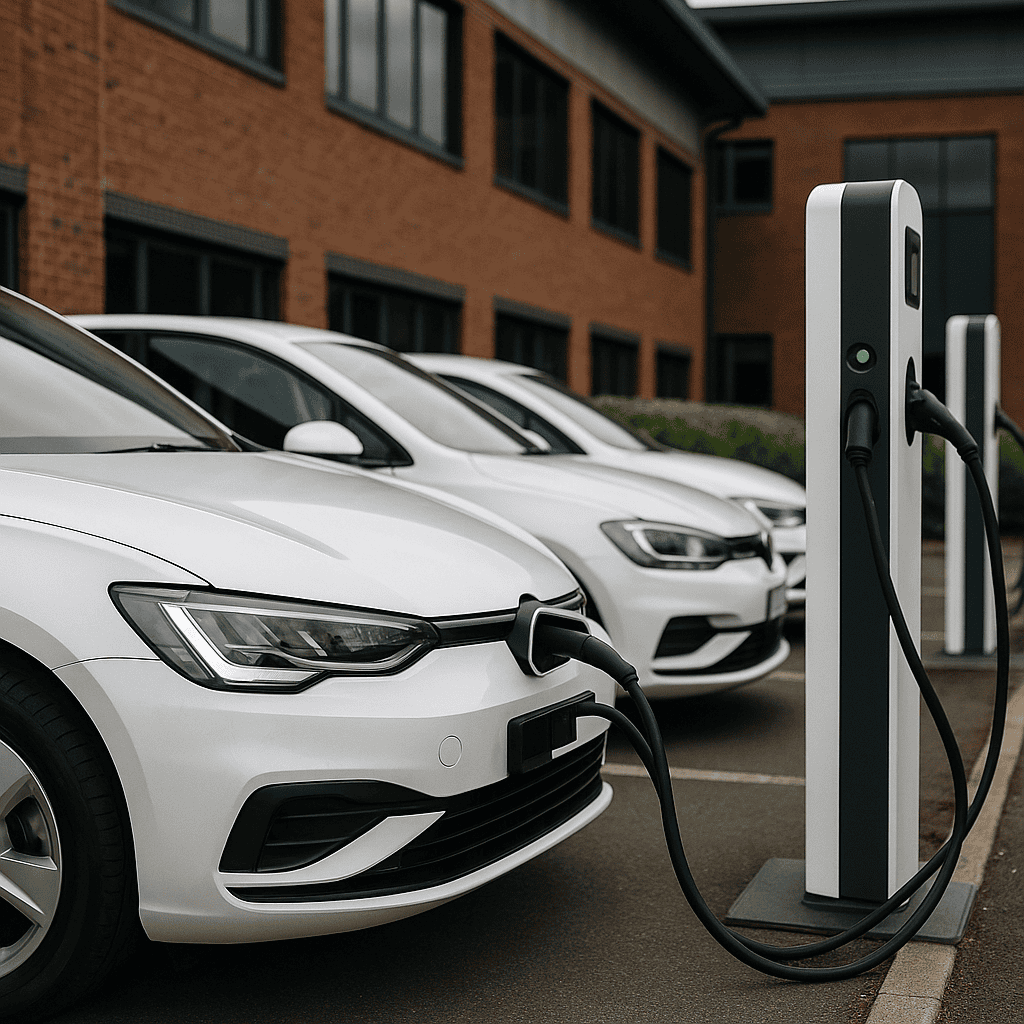
Exploring the Load Balancing Process
Load balancing in EV charging involves distributing electricity demand across multiple charging stations to ensure optimal efficiency. This process begins with assessing the current energy usage and infrastructure capacity. By understanding the baseline, solutions can be tailored to meet specific fleet requirements.
Next, smart charging technology is integrated to intelligently manage the distribution of power. This technology uses algorithms to adjust the flow of electricity based on real-time factors such as vehicle demand, grid capacity, and energy pricing. This ensures that each vehicle receives the necessary charge without overloading the system or incurring high costs.
Finally, continuous monitoring and adjustments are made to maintain efficiency. Data collected from the charging sessions is analyzed to refine the process, predict future needs, and prevent potential issues. This dynamic adaptation not only maximizes energy use but also supports sustainable fleet operations by reducing overall energy consumption and costs.
Charge Dynamics
Smart load balancing can prioritize EV charging during off-peak hours, saving up to 30% in energy costs.
Top 5 Questions About Load Balancing and Smart Charging
What is load balancing in the context of EV charging and how does it work?
Load balancing in EV charging optimises the distribution of electrical power among multiple charging stations. It ensures that each vehicle receives the appropriate amount of energy based on demand and available capacity, enhancing efficiency and reducing costs for fleet operations.
How can smart charging solutions optimize fleet energy management?
Smart charging solutions enhance fleet energy management by intelligently distributing power among electric vehicles, ensuring optimal charging times and reducing peak demand. This approach minimises energy costs, maximises battery health, and supports efficient utilisation of available electrical infrastructure.
What are the benefits of integrating load balancing with commercial solar for EV charging?
Integrating load balancing with commercial solar for EV charging enhances energy efficiency, reduces reliance on grid power, and lowers operational costs. This synergy maximises the use of renewable energy, ensuring optimal charging performance while minimising environmental impact.
How does load balancing improve the efficiency of electric vehicle charging stations?
Load balancing optimises the distribution of available power among multiple electric vehicle charging stations, ensuring that each vehicle receives the appropriate amount of energy. This reduces peak demand, lowers energy costs, and enhances overall charging efficiency for fleet operations.
What features should businesses look for in smart charging systems for their fleet?
Businesses should consider features such as real-time load management, integration with existing energy systems, user-friendly interfaces, remote monitoring capabilities, and data analytics to optimise charging schedules and enhance energy efficiency for their fleet.