
What are the key health and safety standards for commercial solar installations?
When considering commercial solar installations, understanding the key health and safety standards is crucial to ensure both compliance and the well-being of all involved. These standards are designed to minimise risks and protect workers, the public, and the environment during the installation and operation of solar systems. Adhering to these guidelines not only ensures legal compliance but also promotes a culture of safety and responsibility within the industry.
From proper site assessment to the use of certified equipment, numerous factors contribute to a safe solar installation. Rigorous training and adherence to established protocols are essential to prevent accidents and ensure the efficient functioning of the solar system. By prioritising safety, businesses can not only safeguard their workforce but also enhance their reputation and operational efficiency.
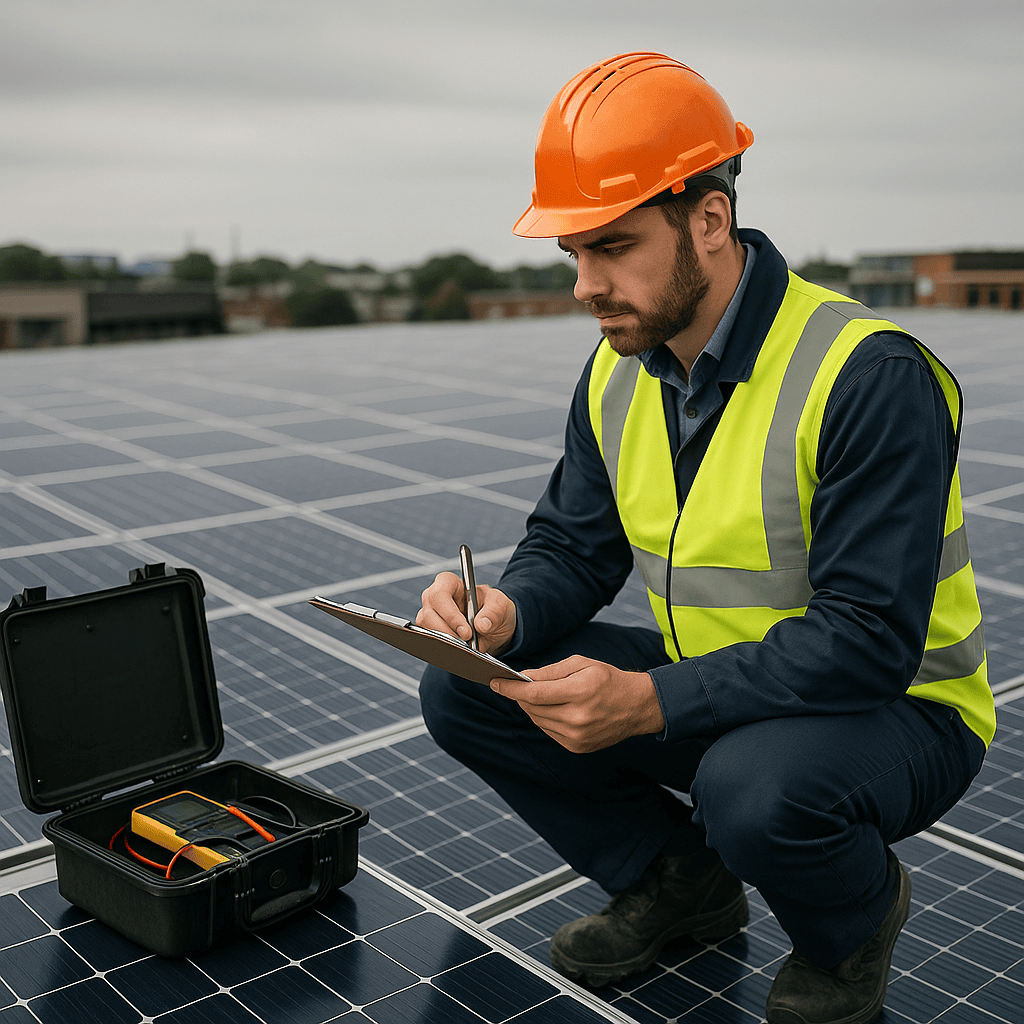
One of the primary health and safety standards for commercial solar installations is conducting a comprehensive risk assessment. This involves identifying potential hazards, evaluating the risks associated with each, and implementing appropriate control measures. By doing so, businesses can mitigate risks effectively and ensure the safety of workers and the public.
Another critical standard is ensuring that all personnel involved in the installation are adequately trained and qualified. This includes understanding the technical aspects of solar systems, as well as being aware of the safety protocols that must be followed on-site. Proper training equips workers with the knowledge and skills necessary to handle equipment safely and respond effectively in emergency situations.
Finally, using certified and high-quality equipment is paramount to maintaining safety standards. This includes everything from solar panels and inverters to mounting systems and electrical components. Regular inspections and maintenance should also be conducted to ensure that all equipment remains in optimal condition, thereby preventing accidents and ensuring the longevity of the solar installation.