
What regulations must be followed for grid export in the solar industry?
Navigating the regulations for grid export in the solar industry can seem daunting, yet it is an essential aspect for anyone involved in solar energy production. Understanding these regulations ensures compliance and promotes the efficient integration of solar power into the broader energy grid. Adhering to these guidelines is crucial for maintaining the reliability and safety of the energy supply.
Regulations for grid export in the solar industry vary depending on the region, but they generally encompass standards for metering, safety, and technical requirements. These standards are designed to ensure that solar energy systems can safely and efficiently export electricity to the grid, benefiting both producers and consumers. By familiarising yourself with these regulations, you can ensure that your solar energy system operates effectively within the established legal framework.
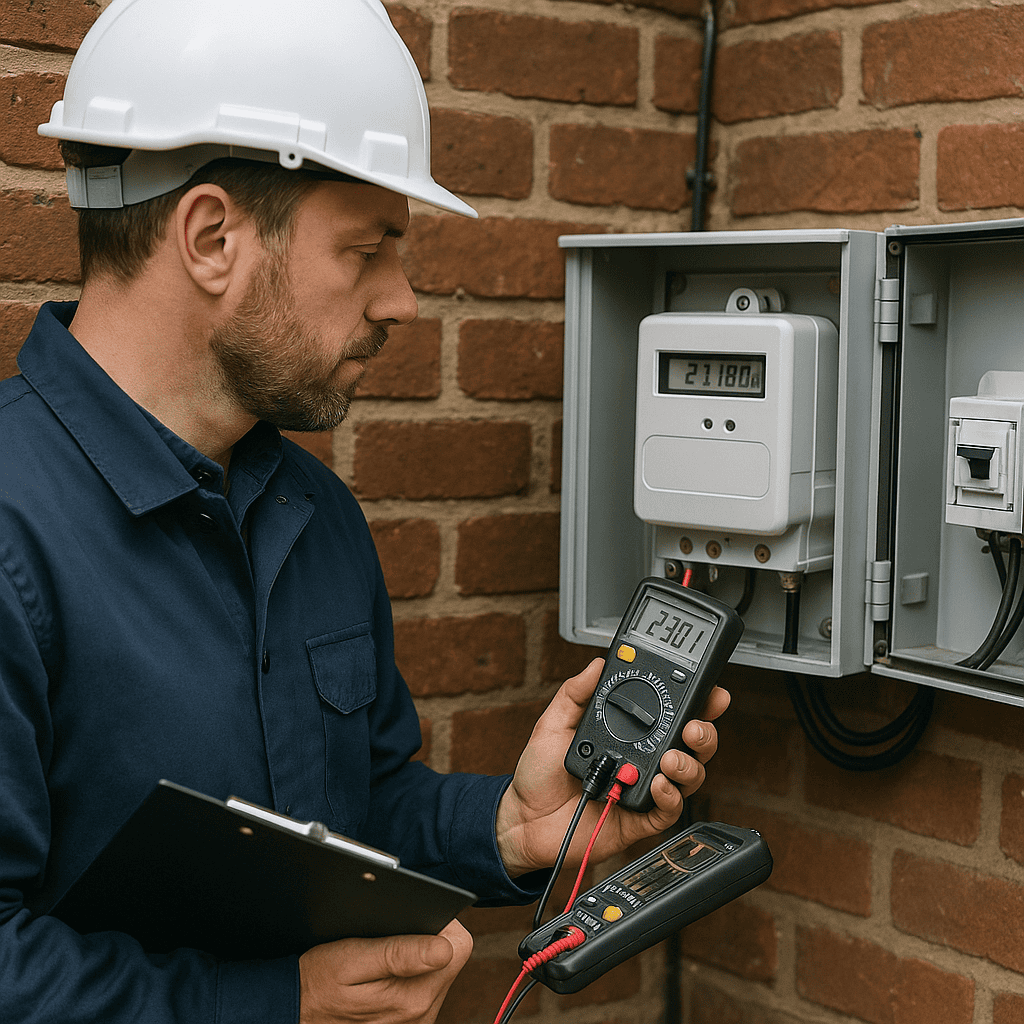
One of the primary considerations for solar grid export is compliance with metering regulations. Accurate metering is essential to measure the amount of electricity exported to the grid and to ensure that producers are fairly compensated. This often involves installing approved metering devices that meet specific technical standards set by regulatory bodies. These devices must be regularly maintained and tested to ensure their accuracy and reliability.
In addition to metering, safety standards are a critical component of grid export regulations. These standards are in place to protect both the solar energy system and the wider grid infrastructure. Compliance with safety regulations typically involves ensuring that all equipment meets established technical specifications and is installed by qualified professionals. Regular inspections and maintenance are also required to uphold safety standards.
Technical requirements for solar grid export can include specifications for the connection and operation of solar systems within the grid. These requirements ensure that solar energy systems do not adversely affect the stability or reliability of the grid. By adhering to these technical standards, solar energy producers can contribute to a sustainable and resilient energy system. Understanding and meeting these requirements is vital for anyone looking to export solar energy to the grid.