
How do metering requirements affect grid export for commercial solar systems?
Metering requirements play a crucial role in determining how commercial solar systems interact with the electricity grid. These requirements ensure that the energy generated by solar installations is accurately measured and reported, facilitating the efficient integration of renewable energy into the broader grid infrastructure. Without precise metering, it becomes challenging to manage energy flows and maintain grid stability.
Understanding these requirements is essential for businesses looking to maximise the benefits of their solar investments. Compliance with metering standards not only ensures legal adherence but also optimises the potential for exporting excess energy back to the grid. This can lead to potential financial returns, as businesses are often compensated for the surplus energy they provide.
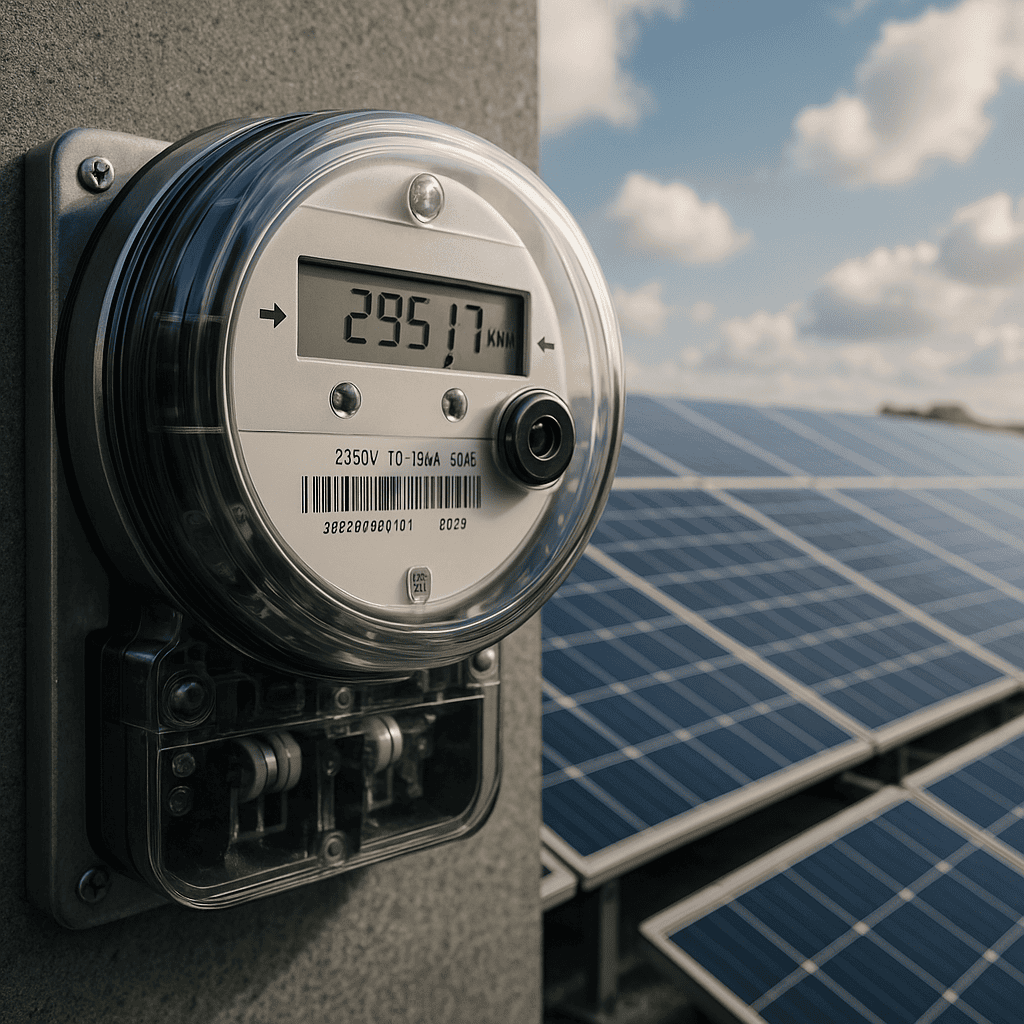
Metering requirements for grid export in commercial solar systems typically involve the installation of advanced meters capable of bi-directional energy measurement. These smart meters are designed to accurately track the amount of energy consumed from the grid and the surplus energy exported back to it. This dual capability is critical for ensuring that businesses are credited appropriately for their contributions to the grid.
Furthermore, regulatory frameworks often dictate the specifications and standards these meters must meet. Compliance with these standards is necessary to ensure that the data collected is reliable and can be used for billing and grid management purposes. Failure to adhere to these requirements can result in penalties or restrictions on grid access, which can adversely affect the financial viability of solar projects.
In addition to technical specifications, metering requirements may also involve regular reporting and audits to verify the accuracy of the energy data recorded. This ensures transparency and trust between energy producers and grid operators. By maintaining compliance, businesses not only foster positive relationships with utility providers but also enhance their reputation as responsible and sustainable energy producers.