
Essential Steps for Fire Safety in Solar Installations
To ensure fire safety in solar installations, start by conducting a thorough risk assessment of your site. This involves evaluating the structure of the building, the potential for fire hazards, and the installation method of the solar panels. Engaging a qualified professional who understands local fire safety regulations and standards is crucial in this process. They can help identify areas of concern and recommend appropriate mitigation measures.
Next, ensure that the installation complies with the relevant fire safety codes and guidelines. This includes using high-quality materials that are fire-resistant and implementing proper wiring and grounding techniques. Regular inspections and maintenance of the solar system are also essential to prevent any potential fire risks. By taking these proactive steps, you can enhance the fire safety of your solar project and create a safer environment for your home or business.
Maximize Safety and Efficiency with Fire-Safe Solar Installations
Implementing fire safety measures in your commercial solar projects ensures compliance, enhances safety, and optimizes operational efficiency for long-term success.
Enhanced Risk Management
Fire safety compliance reduces potential hazards, protecting assets and minimizing downtime in case of emergencies.
Regulatory Compliance
Adhering to fire safety regulations ensures your solar projects meet legal standards, avoiding costly fines and legal issues.
Improved Insurance Terms
Compliance with fire safety standards can lead to lower insurance premiums and better coverage options for your commercial solar installations.
Increased Investor Confidence
Demonstrating commitment to safety can attract investors looking for reliable and compliant renewable energy projects.
Optimized System Performance
Fire-safe designs contribute to the longevity and efficiency of solar systems, maximizing return on investment over time.
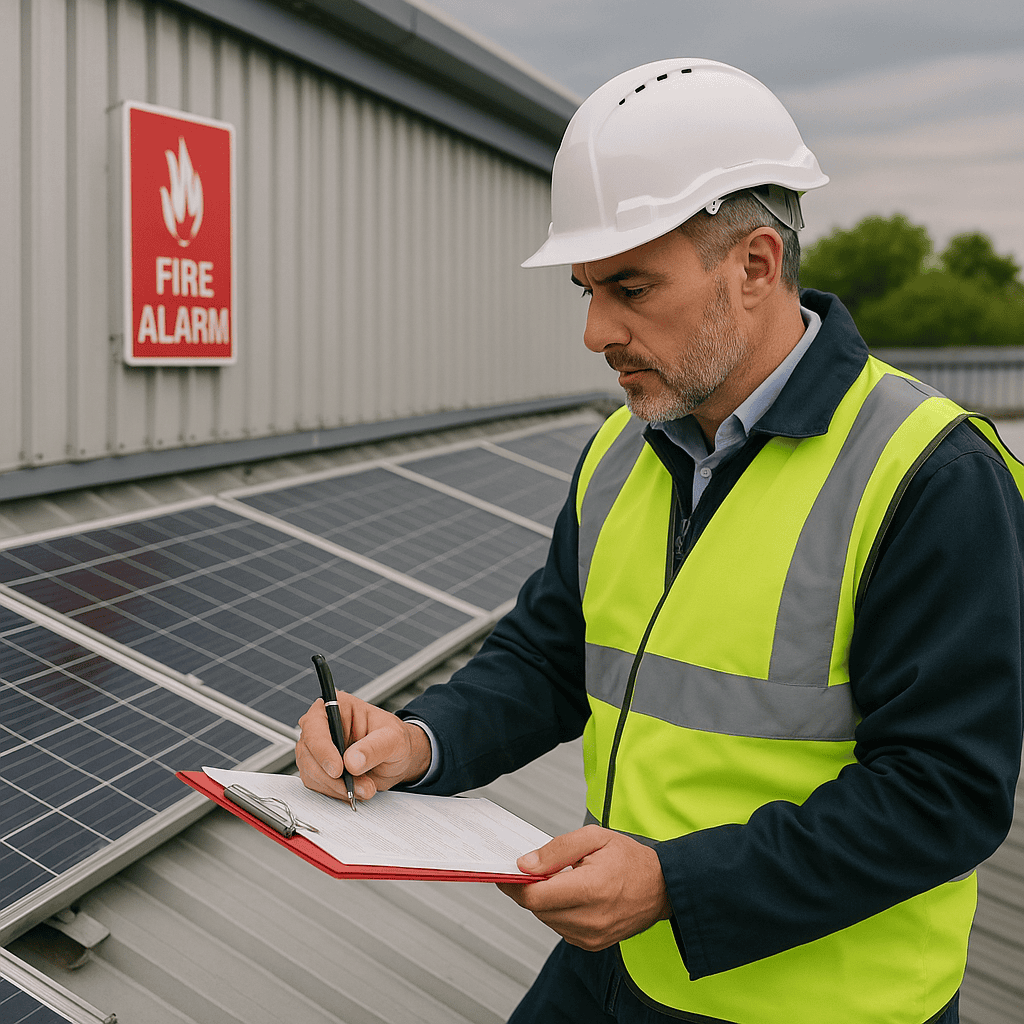
Navigating Fire Safety for Solar Installations
The process begins with a thorough assessment of the site, ensuring that the solar installation complies with local fire safety regulations. This initial evaluation is crucial to identify potential fire hazards and develop strategies to mitigate risks. Next, collaboration with fire safety experts and local authorities is essential in designing a solar system that integrates seamlessly with existing fire safety measures. This step includes reviewing the layout, materials, and equipment to ensure they meet required safety standards. Finally, ongoing maintenance and inspections are vital components of the process. Regular checks help ensure that the solar installation remains safe and compliant over time, addressing any new risks that may arise. By following this structured approach, commercial solar projects can achieve robust fire safety compliance, protecting both the investment and the surrounding environment.
Solar Safety
Solar panels can reduce the risk of roof fires by providing a protective barrier against flying embers.
Top 5 Questions About Fire Safety in Solar Installations
What are the fire safety standards for commercial solar installations?
Commercial solar installations must comply with the Regulatory Reform (Fire Safety) Order 2005, ensuring risk assessments are conducted, appropriate fire safety measures are implemented, and systems are regularly maintained to minimise fire hazards and ensure safe operation.
How can compliance with fire safety regulations impact solar energy projects?
Compliance with fire safety regulations is crucial for solar energy projects, as it ensures the safety of installations, protects property, and mitigates risks. Adhering to these standards can prevent costly delays and enhance the project's overall viability and public trust.
What fire safety measures should be implemented in commercial solar systems?
Implement regular inspections of solar panels and wiring, ensure proper installation to prevent overheating, maintain clear access for emergency services, and adhere to local fire safety regulations. Additionally, consider fire-resistant materials and install fire detection systems where necessary.
What are the consequences of non-compliance with fire safety standards in solar energy?
Non-compliance with fire safety standards in solar energy can lead to severe penalties, including fines and legal action. Additionally, it increases the risk of fire hazards, potentially endangering lives and causing significant property damage.
How do local fire codes affect the installation of solar panels on commercial properties?
Local fire codes dictate specific requirements for solar panel installations on commercial properties, including spacing, access routes, and fire-resistant materials. Compliance is essential to ensure safety and minimise risks associated with fire hazards in solar energy systems.