
Harness Solar Power for Your Manufacturing Facility
Discover how integrating solar energy can enhance operational efficiency and significantly lower energy costs for your manufacturing business. Join the movement towards sustainable production and explore our high-quality solar solutions tailored for your needs.
Steps to Implement Solar Solutions in Manufacturing
To begin integrating solar energy into your manufacturing facility, start with a comprehensive energy audit. This assessment will help you understand your current energy consumption patterns and identify areas where solar power can make the most impact. Engage with a reputable solar provider to conduct this audit, which will inform the size and type of solar PV system best suited for your needs.
Once you have the data, the next step is to explore financing options and incentives available for solar installations. Various government programs and tax credits can significantly reduce initial costs. Collaborate with your solar provider to create a bespoke design that aligns with your operational goals and budget. With a clear plan in place, you can move forward with confidence, knowing that solar energy can enhance your facility’s energy efficiency and reduce long-term operational costs.
Maximize Operational Efficiency with Solar Energy
Implementing solar solutions in manufacturing facilities can significantly enhance operational efficiency, leading to reduced costs and increased sustainability.
Lower Energy Costs
Solar panels can dramatically reduce electricity bills, allowing manufacturers to allocate resources more effectively.
Enhanced Energy Security
Solar power provides a reliable energy source, minimizing disruptions from power outages and fluctuating energy prices.
Improved Environmental Impact
Adopting solar technology reduces carbon emissions, helping manufacturers meet environmental regulations and achieve sustainability goals.
Increased Property Value
Installing solar panels can enhance property value, making manufacturing sites more attractive to investors and buyers.
Access to Incentives
Manufacturers can benefit from tax credits and incentives, reducing initial investment costs and accelerating return on investment.
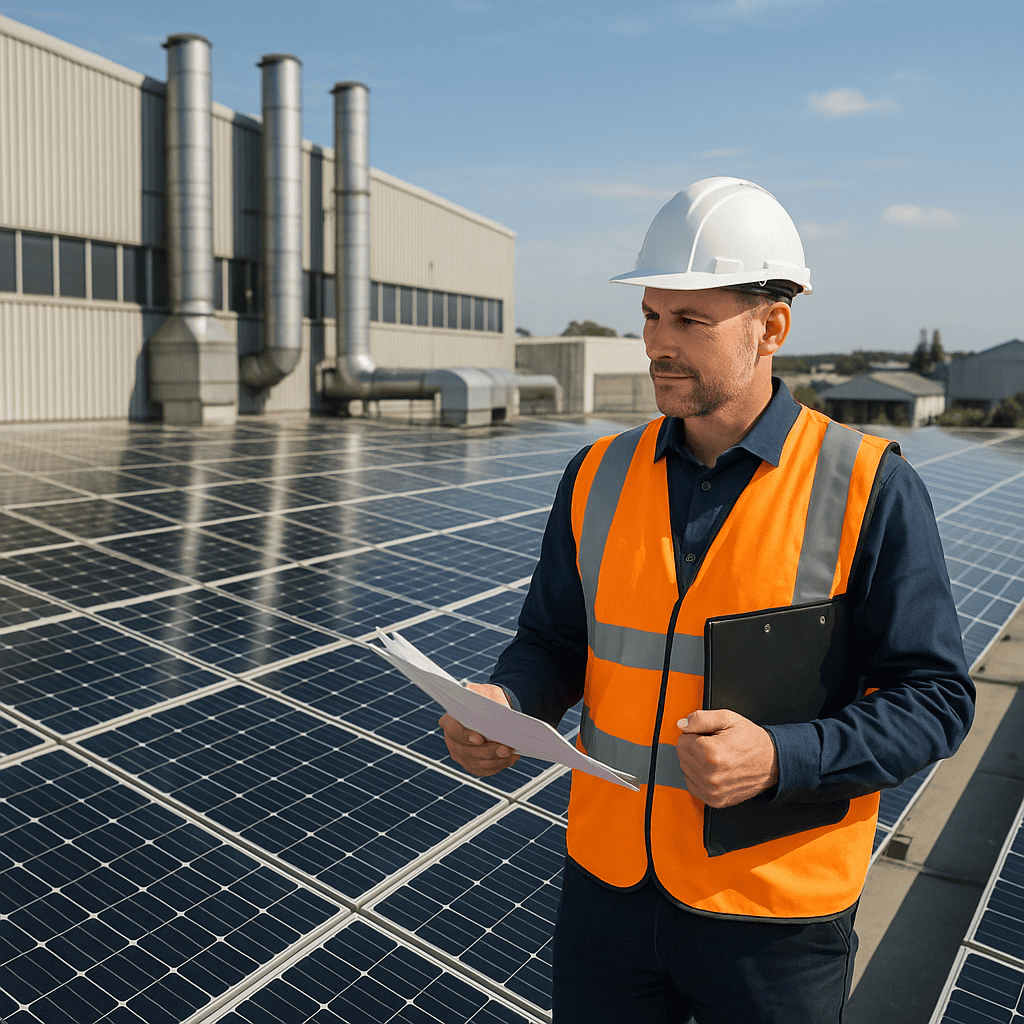
Navigating the Solar Integration Process
The journey to integrating solar panels in manufacturing facilities begins with a comprehensive energy audit. This assessment identifies energy consumption patterns and highlights potential savings through solar solutions. Following this, experts design a tailored solar system that aligns with the facility’s specific energy needs and goals.
Once a customized plan is crafted, the next step involves securing necessary permits and approvals. This stage is crucial, as it ensures compliance with local regulations and grid requirements. Installation and commissioning of the solar panels are then carried out by skilled technicians, ensuring seamless integration with existing systems.
After installation, ongoing monitoring and maintenance are essential to maximize efficiency and longevity of the solar system. This includes routine inspections and performance tracking, ensuring the system operates at optimal capacity and continues to provide cost-effective energy solutions for the manufacturing facility.
Sun-Powered Savings
Manufacturing facilities can cut energy costs by up to 70% with commercial solar panel installations.
Top 5 Questions About Solar Energy for Manufacturing
What are the benefits of using solar panels for manufacturing facilities?
Solar panels enhance energy efficiency, significantly reduce operational costs, and provide a sustainable energy source for manufacturing facilities. They also lower carbon emissions, improve energy independence, and can increase the overall value of the property.
How do commercial solar panels impact energy costs for manufacturing businesses?
Commercial solar panels can significantly lower energy costs for manufacturing businesses by harnessing renewable energy, reducing reliance on grid electricity, and providing predictable energy pricing. This leads to long-term savings and improved operational efficiency.
What factors should manufacturers consider when choosing solar panels for their operations?
Manufacturers should evaluate energy needs, roof space, panel efficiency, installation costs, and potential government incentives. Additionally, consider the durability and warranty of the solar panels, as well as the reputation of the supplier to ensure long-term reliability and performance.
How can solar energy improve sustainability in the manufacturing sector?
Solar energy enhances sustainability in manufacturing by reducing reliance on fossil fuels, lowering greenhouse gas emissions, and decreasing energy costs. Implementing solar panels can lead to more efficient operations and a smaller environmental footprint, promoting a greener manufacturing process.
What are the financial incentives available for manufacturers adopting solar technology?
Manufacturers adopting solar technology can benefit from various financial incentives, including the Renewable Heat Incentive (RHI), tax reliefs such as Enhanced Capital Allowances (ECA), and potential savings on energy bills, which collectively enhance the return on investment.