
Practical Steps to Implement Solar Solutions
To get started with solar energy solutions for your logistics operations, begin by conducting a comprehensive energy audit of your facilities. This assessment will help identify your current energy consumption patterns and potential areas for solar integration. Engaging a professional who specializes in commercial solar installations can provide insights into your specific needs and help you understand the scale of the system required.
Next, explore various financing options available for solar projects. Many companies offer leasing, power purchase agreements, or government incentives that can significantly reduce upfront costs. Once you’ve established a clear understanding of your energy goals and budget, consult with a certified solar provider to discuss bespoke design options tailored to your logistics facilities. Collaborating with experts ensures a smooth installation process and maximizes the long-term benefits of your solar investment.
Unlocking Efficiency and Savings with Solar Energy in Logistics
Harnessing solar energy in logistics not only reduces operational costs but also enhances sustainability, reliability, and energy independence for your business.
Significant Cost Reductions
Solar panels drastically cut energy bills, allowing logistics companies to allocate resources to other critical operational areas.
Enhanced Energy Independence
With solar energy, logistics firms reduce reliance on fluctuating grid electricity prices, ensuring more predictable budgeting.
Improved Sustainability Credentials
Adopting solar solutions demonstrates a commitment to sustainability, appealing to eco-conscious clients and partners.
Increased Operational Reliability
Solar power systems provide reliable energy, minimizing disruptions and ensuring smooth logistics operations even during peak demands.
Long-term Investment Returns
Investing in solar technology offers substantial returns over time, enhancing overall asset value and operational efficiency.
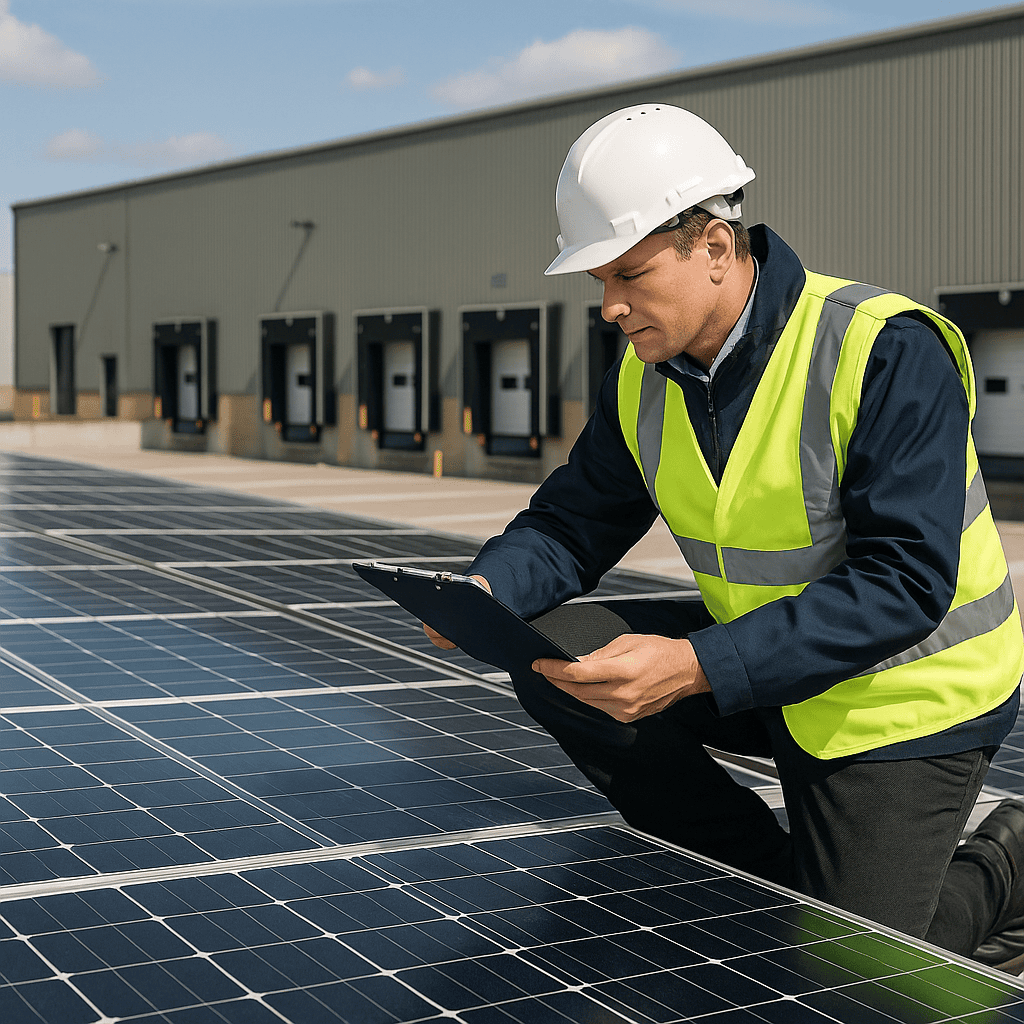
The Solar Implementation Journey
The journey to adopting solar energy in logistics begins with a comprehensive site assessment. Experts evaluate the location to determine its solar potential, considering factors like sunlight exposure and available roof space. This step ensures that the solar solution is tailored to the specific needs of the logistics operation.
The next phase involves designing a customized solar system. Engineers create a plan that optimizes energy production while integrating seamlessly with the existing infrastructure. This stage is crucial for ensuring that the solar system meets both current and future energy demands.
Finally, the installation and maintenance process ensures the system operates efficiently. Professional installers handle the setup, minimizing disruption to logistics operations. Regular maintenance checks and monitoring systems are put in place to guarantee long-term performance and energy savings. This holistic approach ensures that logistics companies can harness solar power effectively and sustainably.
Sunny Savings
Solar energy can reduce logistics operational costs by up to 30%, boosting sustainability and profit margins.
Top 5 Questions About Solar Energy for Logistics
What are the benefits of installing solar panels for logistics companies?
Installing solar panels can significantly reduce energy costs, enhance sustainability, and improve brand reputation for logistics companies. Additionally, solar energy can provide reliable power for operations, mitigate energy price fluctuations, and contribute to corporate social responsibility goals.
How do commercial solar panels reduce operational costs in the logistics sector?
Commercial solar panels lower operational costs in the logistics sector by generating renewable energy, reducing reliance on grid electricity, and minimising energy bills. Additionally, they can provide energy security and stability against fluctuating energy prices, enhancing overall financial efficiency.
What factors should logistics companies consider when choosing solar panels?
Logistics companies should assess energy needs, roof space availability, panel efficiency, installation costs, and potential savings. Additionally, consider the reliability of suppliers, warranty terms, and the system's scalability to accommodate future energy demands.
How can solar energy improve sustainability in logistics operations?
Solar energy reduces reliance on fossil fuels, lowers carbon emissions, and decreases operational costs in logistics. By harnessing renewable energy, companies can enhance their sustainability efforts, improve energy efficiency, and contribute to a greener supply chain.
What are the installation and maintenance requirements for solar panels in logistics facilities?
Installation requires a suitable roof or ground space, ensuring structural integrity and optimal sunlight exposure. Maintenance involves regular inspections, cleaning to remove debris, and monitoring system performance to maximise efficiency and longevity in logistics facilities.