
What factors should I consider when determining the size of a commercial solar system?
Determining the appropriate size for a commercial solar system is crucial for maximising energy efficiency and cost savings. Several factors need to be considered to ensure the system meets the energy demands of your business without over- or under-investing. By carefully evaluating these elements, you can achieve optimal performance and financial returns from your solar investment.
The primary considerations include the energy consumption patterns of your business, the available roof space or land for installation, and the budget allocated for the project. Each of these factors plays a vital role in deciding the size of the solar system that will best suit your business needs. Understanding these elements will guide you towards making an informed decision.
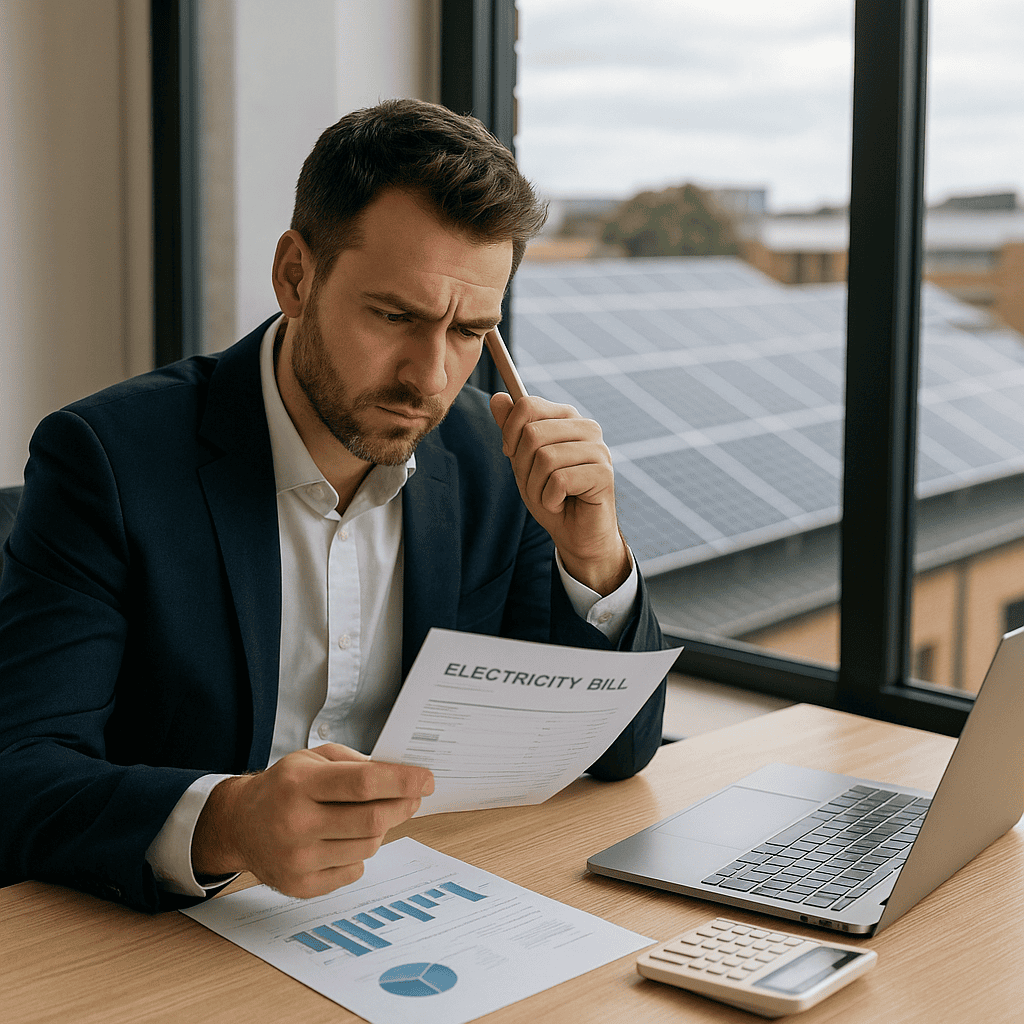
Firstly, assess the energy consumption of your business by reviewing your electricity bills over the past year. This will give you a clear picture of your average and peak energy usage, helping you determine the capacity your solar system needs to cover. Consider any future changes in energy demand, such as business expansion, which might affect your energy requirements.
Secondly, evaluate the available space for installing solar panels. The size and orientation of your roof or land area will influence the number of panels you can install and, consequently, the system’s overall capacity. It’s important to ensure that the space can accommodate the necessary panel size to meet your energy needs efficiently.
Lastly, consider your budget, as it will impact the scale of your solar project. While a larger system may offer greater energy savings, it’s essential to balance initial costs with long-term benefits. Examine financing options and potential incentives, such as government grants or tax rebates, to help offset the initial investment and make the project more financially viable.