
What planning permissions are required for installing commercial solar panels?
When considering the installation of commercial solar panels, understanding the necessary planning permissions is crucial. Generally, planning permission is not required for solar panel installations on non-domestic buildings, provided certain conditions are met. These conditions often relate to the size and positioning of the panels, ensuring they are installed in a way that minimises visual impact and does not exceed certain height restrictions.
However, there are exceptions where planning permission becomes necessary. For example, if the building is listed or located within a designated area such as a conservation area, national park, or an Area of Outstanding Natural Beauty, additional permissions may be required. It is always advisable to consult with local planning authorities to ensure compliance with all relevant regulations.
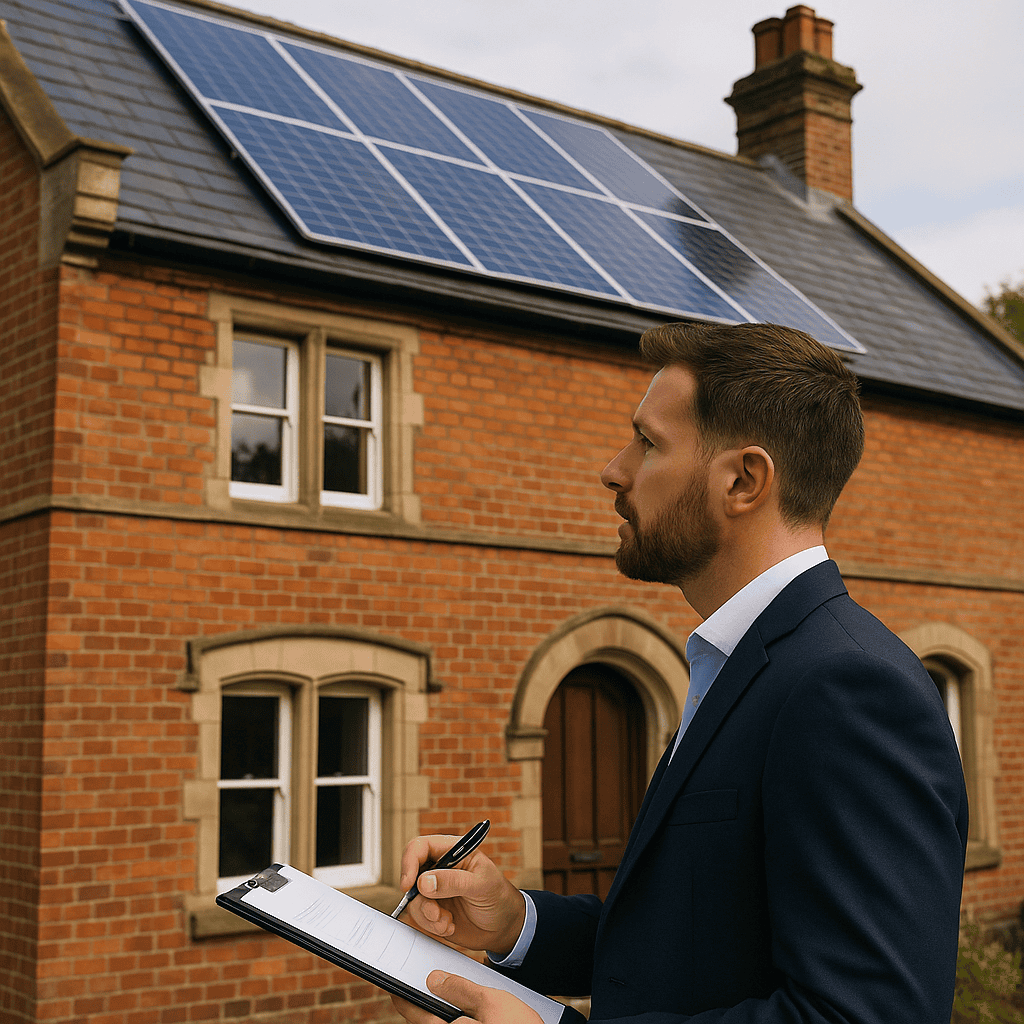
In most cases, commercial solar panels are considered permitted development, meaning they do not require formal planning permission. This is contingent upon the installation meeting specific criteria, such as not protruding more than 200mm beyond the plane of the wall or roof, and not being higher than the highest part of the existing roof (excluding chimneys).
Nevertheless, if the building is listed or situated in a conservation area, additional scrutiny is applied. In such scenarios, the visual impact and the preservation of the historical character are of utmost importance. This may necessitate submitting a detailed planning application outlining how the solar installation will integrate with the building’s existing architecture.
To ensure a smooth process, it is recommended to liaise with your local planning authority before proceeding. They can provide guidance on any potential restrictions and help ascertain whether your specific project falls under permitted development or requires a formal application. This proactive approach can save time and prevent potential legal complications.